
TL;DR:
- Non-surgical skin tightening uses energy devices to stimulate collagen and elastin production without downtime.
- Results improve gradually over months, lasting 1 to 2 years with maintenance.
- Proper practitioner expertise and device selection are crucial for safety and optimal outcomes.
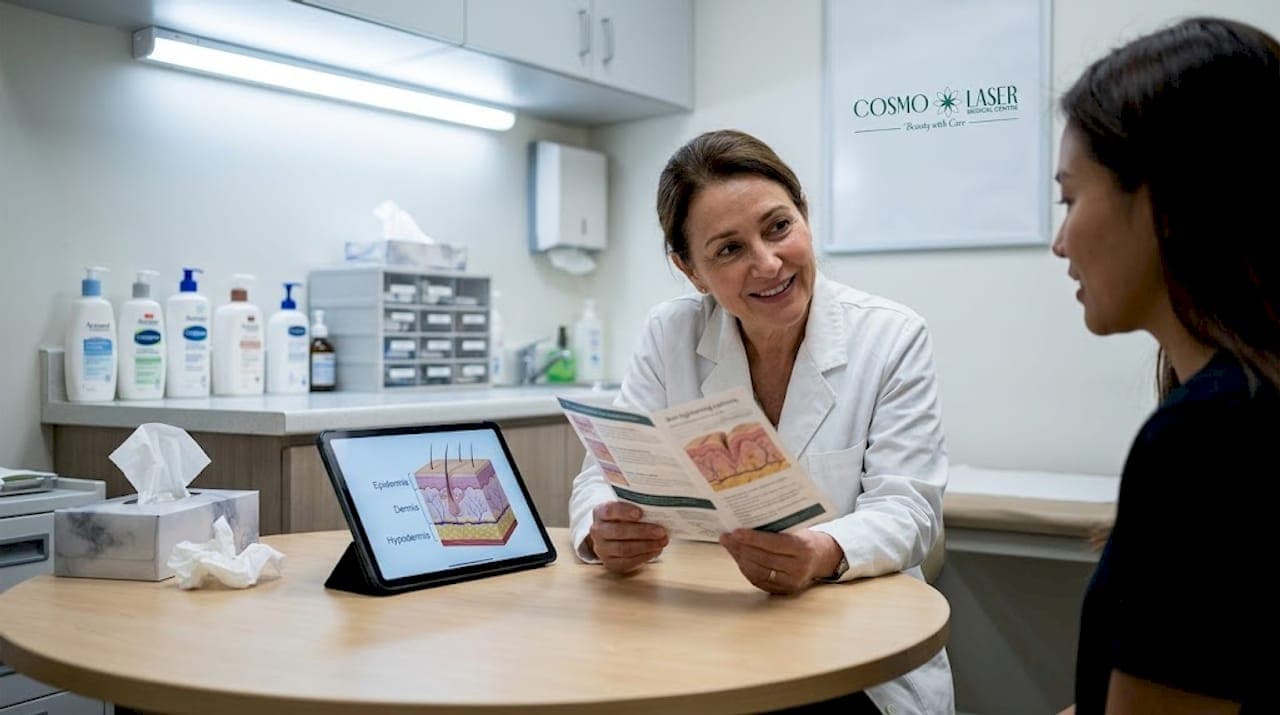
Many people assume that firmer, lifted skin is only possible through surgery. That assumption is outdated. Non-surgical skin tightening uses energy-based devices like radiofrequency, ultrasound, and laser to heat deeper skin layers, triggering collagen and elastin production for visibly firmer, more elastic skin. No scalpels. No general anesthesia. No weeks of recovery. In this article, you'll learn exactly how these technologies work, how they compare to each other, what kind of results are realistic, and what safety looks like in practice. If you're considering skin tightening in the UAE, this is the clearest breakdown you'll find.
Table of Contents
- What is skin tightening and how does it work?
- Comparison of skin tightening technologies
- What results can you expect from skin tightening treatments?
- Is skin tightening safe and what side effects should you know about?
- Expert perspective: What most guides miss about skin tightening
- Find the right skin tightening solution at Cosmolaser
- Frequently asked questions
Key Takeaways
| Point | Details |
|---|---|
| Non-surgical solutions | Modern skin tightening treatments use energy-based devices to rejuvenate without surgery. |
| Multiple technologies | RF, ultrasound, and laser each target different depths and issues for customized results. |
| Real clinical results | Clinical studies confirm 30-50% improvement, with effects lasting up to two years with proper maintenance. |
| Safety first | Side effects are generally mild if performed by certified professionals, but choosing the right clinic is essential. |
| Expert maintenance | Scheduling maintenance sessions optimizes and extends your skin tightening results. |
What is skin tightening and how does it work?
Skin tightening sounds simple, but the science behind it is worth understanding. As we age, collagen and elastin fibers in the skin break down. The skin loses its structural support and begins to sag. Energy-based devices work by delivering controlled heat to the deeper layers of the skin, which triggers the body's natural repair response: producing new collagen and elastin.
This process is called collagen neoremodeling. It doesn't happen overnight. The skin gradually becomes firmer and more lifted over weeks and months as new collagen fibers form and organize themselves. That's why results from these treatments feel natural rather than sudden.
Non-surgical skin rejuvenation through energy-based devices covers three main technology categories:
- Radiofrequency (RF): Uses electrical energy converted to heat, targeting the dermis to stimulate collagen production. Works well for mild to moderate skin laxity on the face and body.
- Ultrasound: Delivers focused sound wave energy to deeper tissue layers. Known for lifting effects, especially on the brow, jawline, and neck.
- Laser: Uses light energy to resurface the outer skin while simultaneously heating deeper layers. Particularly effective when texture concerns accompany laxity.
All three technologies share a common goal: heat the right layer of skin at the right temperature without damaging the surface. The difference lies in depth, intensity, and the specific skin concerns each one addresses best.
One important point: these treatments require little to no downtime. Most people return to normal activities the same day or within 24 hours. Results build gradually over 3 to 6 months, which is actually a feature, not a flaw. Gradual improvement means changes look natural rather than abrupt.
Statistic callout: Clinical evidence shows that RF monopolar treatments can significantly reduce laxity grades with measurable elasticity improvements at 24 weeks, and ultrasound treatments show 80% clinical improvement at 90 days.
Understanding this foundation helps you ask better questions when consulting with a specialist and sets realistic expectations from the start.
Comparison of skin tightening technologies
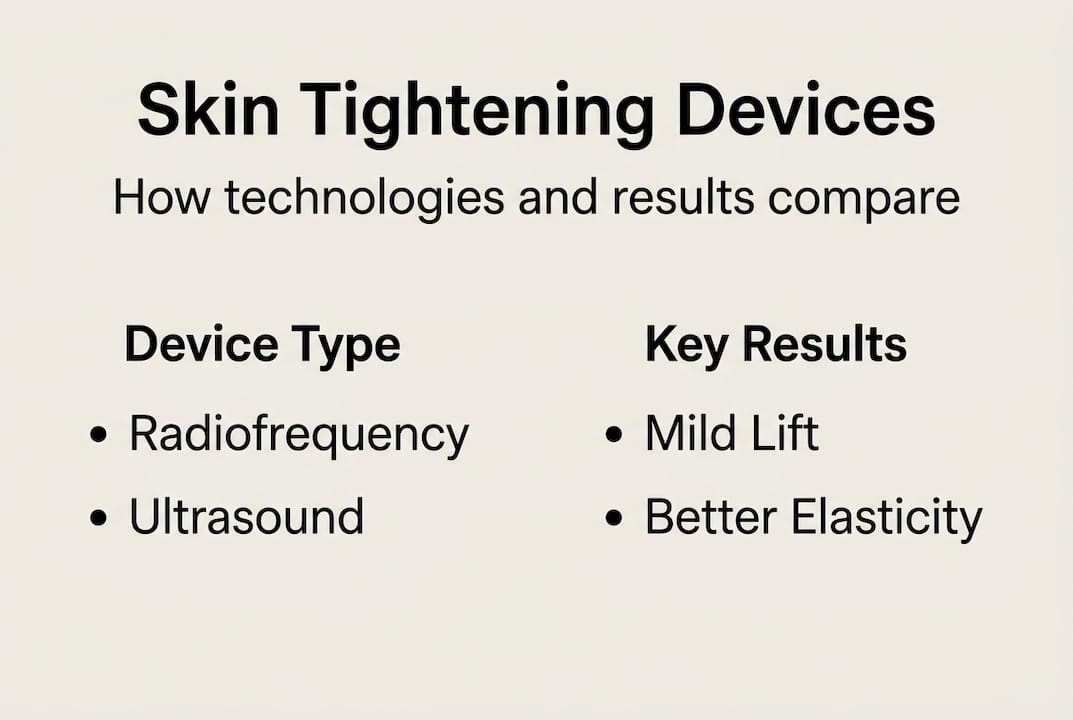
With a basic understanding of skin tightening, let's compare the main technologies available. Each one targets a different skin depth and serves a different purpose, so choosing the right one depends on your specific concerns.
| Technology | Target depth | Best for | Downtime |
|---|---|---|---|
| Radiofrequency (RF) | Up to 3mm (dermis) | Mild to moderate laxity, face and body | Minimal |
| Ultrasound (e.g., Ultherapy) | Up to 5mm (SMAS layer) | Deeper lifting, brow, jawline, neck | Minimal |
| Fractional laser | Surface to mid-dermis | Texture, tone, and mild tightening | 2 to 5 days |
According to the American Board of Cosmetic Surgery, RF heats the dermis for collagen remodeling and suits mild to moderate laxity. Ultrasound reaches the SMAS layer, which is the same tissue layer targeted in surgical facelifts, making it the strongest non-surgical lifting option available. Laser treatments resurface and tighten simultaneously, making them ideal when skin texture is also a concern.
Here's what makes each technology stand out:
- RF is the most versatile. It works on nearly every body area, including the abdomen, arms, and thighs, not just the face.
- Ultrasound delivers the deepest lift without surgery. If you're noticing significant jowling or brow drooping, this is often the first recommendation.
- Laser is the best option when you want to address both skin laxity and surface issues like sun damage or uneven tone at the same time.
For those exploring minimally invasive cosmetic procedures, it helps to know that these technologies are often combined for enhanced results. A specialist might recommend RF for overall firmness paired with laser for surface texture, creating a layered approach to rejuvenation.
If you're researching top facial treatments in UAE, you'll find that RF and ultrasound dominate the non-surgical category. And for a deeper look at how light energy works on the skin, laser skin rejuvenation explains the mechanism in practical terms.
The key takeaway: no single technology is universally superior. The right choice depends on your skin depth concerns, your tolerance for downtime, and the areas you want to treat.
What results can you expect from skin tightening treatments?
Once you know the differences between devices, let's focus on what results you can actually expect. This is where realistic expectations matter most.
Clinical data gives us a solid benchmark. Studies show significant improvements across multiple technologies: RF monopolar treatments reduce measurable laxity grades with statistical significance, Mono-Bi RF achieves an average of 0.82mm of tightening with 93.75% of patients showing improvement on global aesthetic scales, and ultrasound delivers 80% clinical improvement at 90 days post-treatment.
| Treatment type | Measurable improvement | Patient satisfaction | Timeline |
|---|---|---|---|
| RF monopolar | Significant laxity reduction | High | 12 to 24 weeks |
| Mono-Bi RF | 0.82mm tightening | 93.75% improved | 8 to 16 weeks |
| Ultrasound | 80% clinical improvement | High | 90 days |
That said, empirical data shows 30 to 50% improvement in most patients, though histological changes at the tissue level can exceed what's visible on the surface. In other words, the structural improvement happening inside the skin is often greater than what you see in the mirror. This is an important nuance that most guides skip entirely.
For those exploring aesthetic treatments for skin rejuvenation, it's worth knowing that results also depend on age, baseline skin laxity, and how consistently you follow maintenance protocols.
Pro Tip: Take baseline photos before your first session and again at 12 weeks. Because improvements are gradual, it's easy to underestimate how much has changed without a direct comparison.
Maintenance is not optional if you want lasting results. Most patients see their best results between 3 and 6 months after treatment, with effects lasting 1 to 2 years depending on the technology used and individual skin aging rates. Scheduling annual or biannual touch-up sessions significantly extends the benefits.
Is skin tightening safe and what side effects should you know about?
With results in mind, understanding safety and side effects is essential before getting started. The good news: skin tightening has a strong safety record when performed by trained professionals using quality devices.
Here are the most common side effects, ranked from most to least frequent:
- Redness: Appears immediately after treatment and typically fades within a few hours.
- Swelling: Mild puffiness, especially around treated areas, usually resolves within 24 to 48 hours.
- Tingling or warmth: A sensation during and shortly after the procedure, which is normal and expected.
- Temporary sensitivity: The skin may feel more sensitive to touch or temperature for a day or two.
- Rare risks: Burns, blisters, or changes in skin texture can occur, but these are uncommon and almost always linked to improper device settings or unqualified operators.
According to WebMD's skin tightening overview, most side effects are mild and resolve within hours to days. Multiple sessions, typically 1 to 6, are often needed, with results developing gradually over 3 to 6 months and lasting 1 to 2 years with proper maintenance.
"The difference between a safe treatment and a risky one is rarely the technology. It's the expertise of the person operating the device and the quality of the equipment being used."
For those specifically researching fractional laser safety, the safety profile is similarly strong when performed correctly. And for a broader look at what to expect from skin resurfacing procedures, preparation and aftercare are the two factors that most influence your comfort and outcome.
Pro Tip: Always ask your clinic which specific device model they use, its FDA or CE clearance status, and how many treatments the practitioner has performed with that device. These three questions alone can tell you a lot about the quality of care you'll receive.
Expert perspective: What most guides miss about skin tightening
Most articles about skin tightening focus on before-and-after photos and device comparisons. What they rarely address is the gap between clinical improvement and visible results. Research confirms that histological changes often exceed what patients can see in the mirror, particularly with minimally invasive approaches. This means you might be getting significant structural benefit even when the visible change feels modest.
For UAE residents specifically, the climate adds a variable most global guides ignore. High UV exposure and heat accelerate collagen breakdown, which means maintenance schedules here may need to be more frequent than what international studies recommend.
The other thing most guides miss: clinic expertise matters more than device brand. A premium device operated by an undertrained technician will consistently underperform compared to a well-calibrated standard device in experienced hands. When evaluating options, prioritize the practitioner's experience and the clinic's aftercare protocol over the brand name on the machine.
For a broader view of what expert advice on skin rejuvenation looks like in practice, the most consistent finding is this: patients who follow through on maintenance sessions and sun protection get dramatically better long-term outcomes than those who treat it as a one-time fix.
Find the right skin tightening solution at Cosmolaser
Having explored the facts and expert advice, it's time to connect with trusted professionals and real solutions.
At CosmoLaser Medical Center in Sharjah, our dermatologists and aesthetic specialists use evidence-based protocols to match each patient with the right technology for their skin type, laxity level, and goals.
Whether you're interested in skin resurfacing in Sharjah, exploring skin rejuvenation in Sharjah, or considering threads treatment in Sharjah as a complementary lifting option, we offer personalized consultations to help you make an informed decision. Book your consultation today and get a treatment plan built around your specific skin concerns, not a generic package.
Frequently asked questions
How long do skin tightening results last?
Results typically last 1 to 2 years, and scheduling regular maintenance sessions extends those benefits significantly beyond that window.
How many sessions are needed for noticeable skin tightening?
Most patients need 1 to 6 sessions, with visible improvements building gradually over 3 to 6 months after the final session.
Is skin tightening safe for all skin types?
Yes, most technologies are safe across a wide range of skin types, though the specific device settings and protocols should be adjusted by a certified specialist based on your individual skin tone and sensitivity.
What are the main side effects of skin tightening?
Common side effects include temporary redness and mild swelling that resolve within hours to a couple of days; rare risks like burns are almost always linked to unqualified operators rather than the technology itself.
Can skin tightening treatments be combined with other aesthetic procedures?
Absolutely. RF, ultrasound, and laser are frequently combined with dermal fillers, resurfacing treatments, or thread lifts to create more complete rejuvenation results tailored to each patient's needs.