
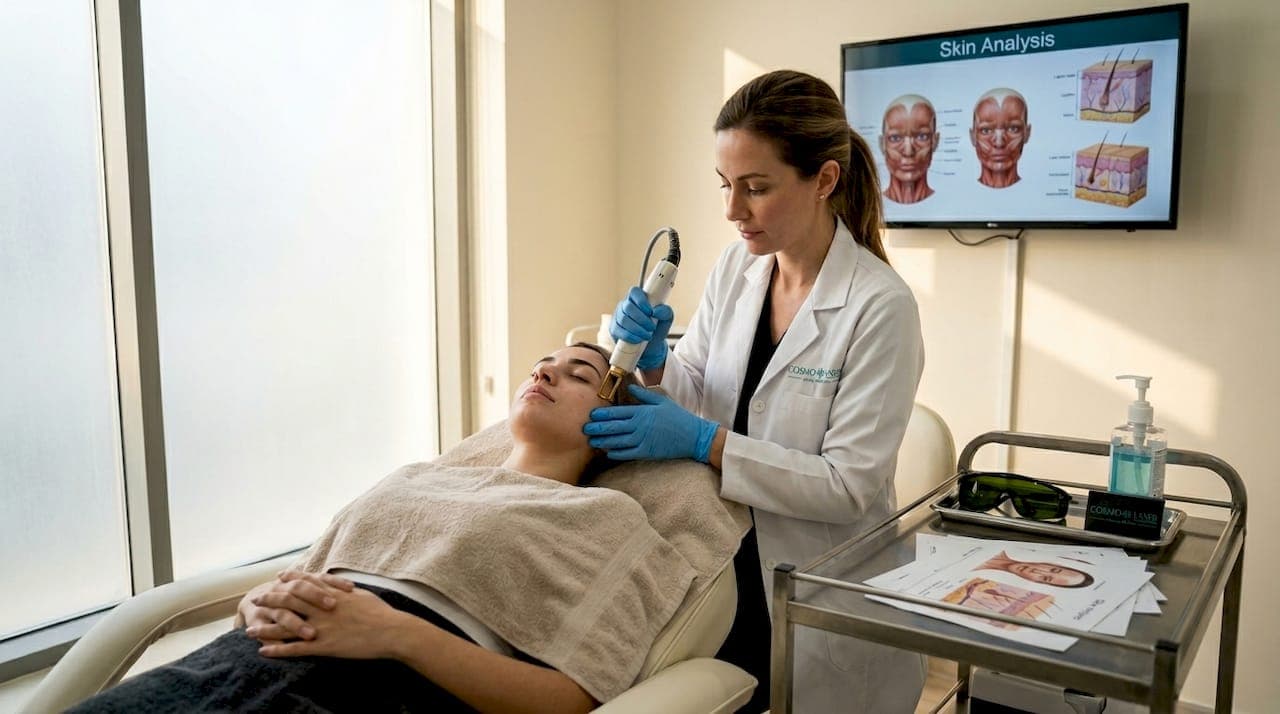
Laser skin rejuvenation often feels mysterious to those unfamiliar with how targeted light energy can transform skin texture, tone, and appearance. The technology works by delivering precise wavelengths that interact with specific components in your skin, stimulating natural healing and collagen production without damaging surrounding tissue. Whether you're concerned about fine lines, acne scars, sun damage, or uneven pigmentation common in the UAE's intense climate, understanding how lasers function helps you make informed decisions about treatments suited to your skin type and goals. This guide breaks down the science, types, safety considerations, and practical tips for achieving optimal results with laser technology in the Middle East.
Table of Contents
- Key takeaways
- The science behind laser technology in skin rejuvenation
- Types of laser technology and their effects on skin
- Addressing skin concerns and safety for diverse UAE skin tones
- Optimizing your laser skin treatment experience in the UAE
- Discover laser skin rejuvenation services at Cosmolaser
- FAQ
Key Takeaways
| Point | Details |
|---|---|
| Wavelengths boost collagen | Laser light targets chromophores to heat tissue and trigger natural healing and collagen production. |
| Fractional lasers speed healing | Fractional lasers create thousands of micro thermal treatment zones to speed healing while leaving surrounding tissue intact. |
| Customize for darker skin | Choosing laser type and settings based on Fitzpatrick skin type helps reduce risks for darker UAE skin tones. |
| Ablative versus nonablative tradeoffs | Ablative lasers provide deeper resurfacing but require longer downtime compared with nonablative options that minimize recovery time. |
The science behind laser technology in skin rejuvenation
Laser skin treatments operate through a principle called selective photothermolysis, where specific wavelengths of light target chromophores in your skin. Chromophores are molecules that absorb light energy, including melanin in pigmented cells, hemoglobin in blood vessels, and water in tissue. When the laser beam hits these targets, it converts light into heat, creating controlled micro-injuries that trigger your body's natural healing response and collagen synthesis.
Different wavelengths penetrate to varying depths and target specific chromophores. Shorter wavelengths around 532 nm target melanin and hemoglobin near the surface, making them ideal for pigmentation and vascular lesions. Mid-range wavelengths like 1064 nm penetrate deeper and work well for darker skin tones. Longer wavelengths targeting water molecules, such as 2940 nm erbium or 10600 nm CO2 lasers, remove thin layers of skin for resurfacing.
Ablative lasers vaporize the outer skin layer, forcing complete regeneration and delivering dramatic results for deep wrinkles and scars. Non-ablative lasers heat underlying tissue without removing the surface, stimulating collagen with minimal downtime. Aesthetic treatments for skin rejuvenation often combine both approaches for customized outcomes.
Pulse duration determines how long energy is delivered and affects penetration depth and safety. Ultra-short picosecond pulses create photoacoustic rather than thermal effects, shattering pigment particles without excessive heat. This reduces risk for darker skin common in the UAE.
Pro Tip: Understanding your skin's chromophore composition helps predict which laser wavelength will work best. Consult a specialist who can assess your Fitzpatrick skin type and customize settings accordingly.
"The precision of modern laser technology allows practitioners to target specific skin concerns while preserving healthy surrounding tissue, making treatments safer and more effective than ever before."
Types of laser technology and their effects on skin
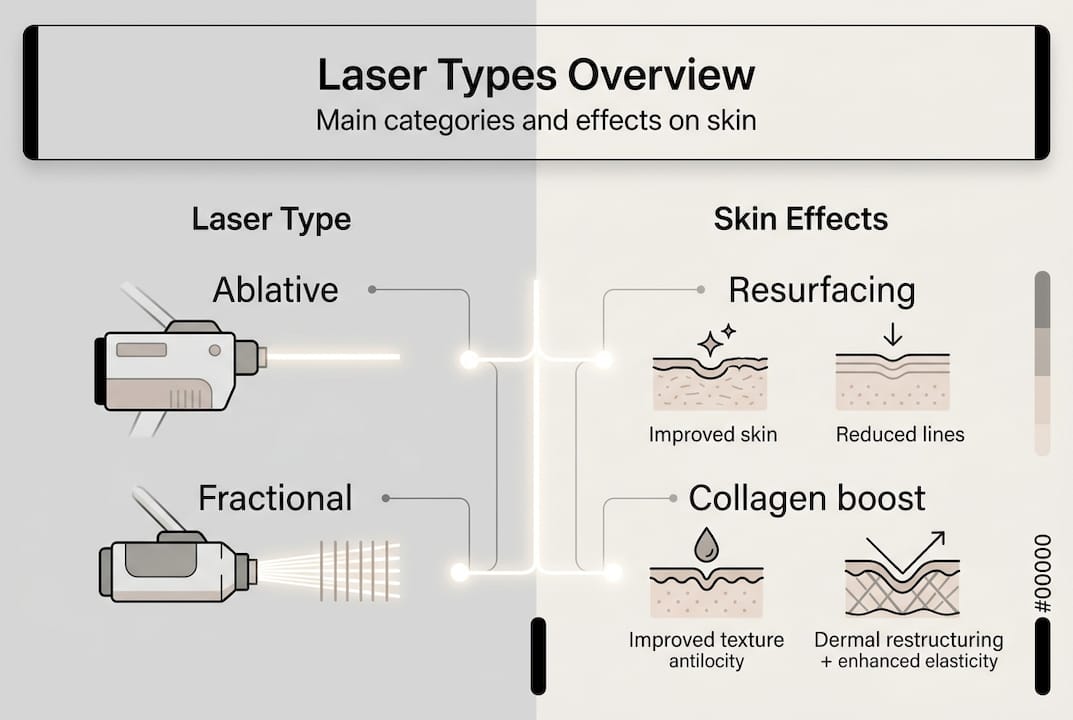
Laser systems fall into four main categories based on how they interact with skin tissue. Ablative lasers remove the epidermis and part of the dermis, triggering complete skin regeneration. Non-ablative lasers heat dermal tissue without surface damage, promoting collagen remodeling with less recovery time. Fractional lasers create thousands of microscopic treatment columns while leaving surrounding tissue intact. Picosecond lasers deliver energy in trillionths of a second, using mechanical rather than thermal effects.
| Laser Type | Wavelength | Penetration Depth | Downtime | Common Uses |
|---|---|---|---|---|
| CO2 ablative | 10600 nm | Deep dermal | 7-14 days | Severe wrinkles, deep scars |
| Erbium ablative | 2940 nm | Superficial to mid-dermal | 5-7 days | Fine lines, texture |
| Nd:YAG non-ablative | 1064 nm | Deep dermal | 1-2 days | Skin tightening, darker skin |
| Fractional CO2 | 10600 nm | Variable MTZs | 3-5 days | Scars, photoaging |
| Picosecond | 532-1064 nm | Superficial to mid | Minimal | Pigmentation, tattoos |
Fractional lasers create microthermal treatment zones that stimulate collagen production while preserving surrounding tissue for faster healing. These MTZs act like tiny injury sites that trigger your skin's repair mechanisms without the extensive downtime of traditional ablative treatments. The untreated tissue between zones serves as a reservoir for rapid re-epithelialization.
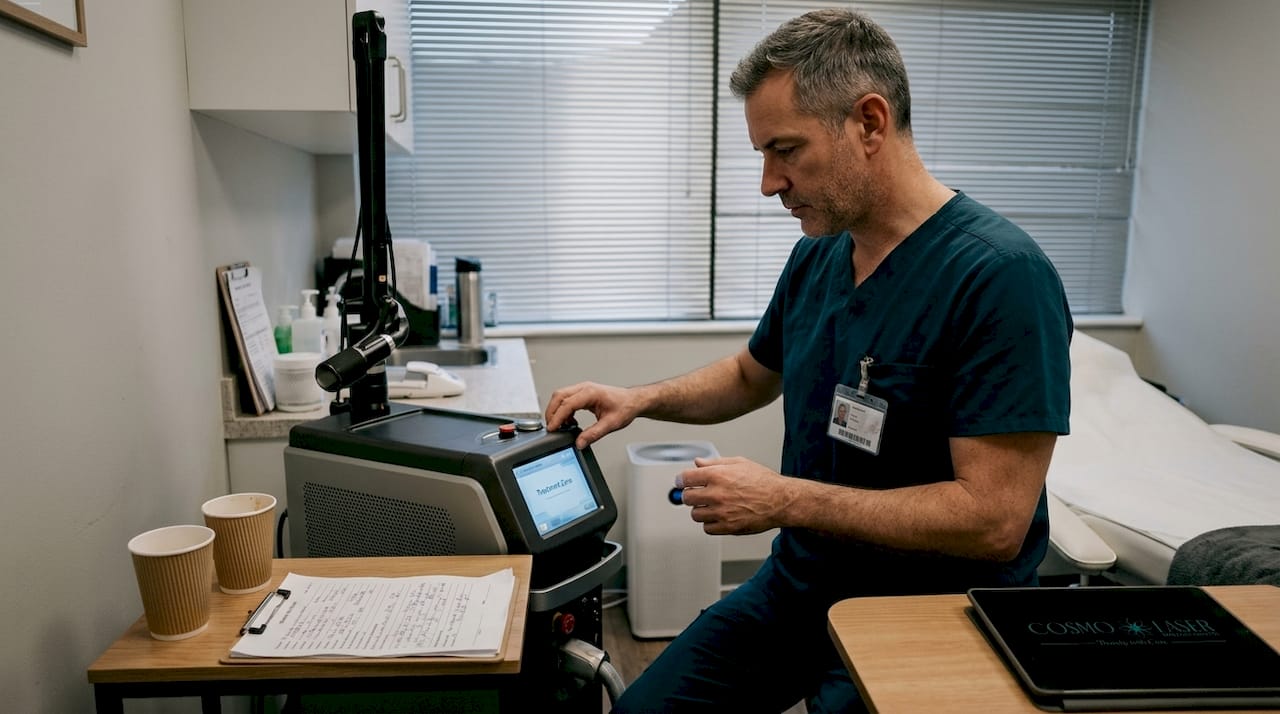
Photoacoustic effects from picosecond lasers shatter pigment and stimulate remodeling through pressure waves rather than heat. This mechanical action reduces thermal damage and makes these systems particularly valuable for treating melasma and post-inflammatory hyperpigmentation in UAE patients with higher melanin content. Pulse duration and wavelength determine both treatment depth and safety profiles.
Pro Tip: If you need significant improvement but can't afford extended downtime, fractional non-ablative or picosecond lasers offer the best balance. Plan treatments during cooler months when sun exposure is easier to control.
For comprehensive texture improvement, many practitioners combine laser types in a single session. A fractional ablative pass addresses deeper concerns while a non-ablative wavelength tightens and smooths. This multimodal approach maximizes results while managing recovery time.
Addressing skin concerns and safety for diverse UAE skin tones
Laser treatments deliver measurable improvements across common aesthetic concerns. Clinical data shows 27-75% improvement in wrinkles, acne scars, and photoaging depending on laser type and treatment protocol. These results often exceed those achieved with microneedling or chemical peels alone, particularly for deeper textural issues.
| Skin Concern | Laser Type | Improvement Range | Sessions Needed |
|---|---|---|---|
| Fine lines | Fractional non-ablative | 40-60% | 3-5 |
| Deep wrinkles | Fractional CO2 | 60-75% | 1-2 |
| Acne scars | Fractional erbium | 50-70% | 3-6 |
| Photoaging | Combination fractional | 55-70% | 2-4 |
| Pigmentation | Picosecond | 27-65% | 2-5 |
Darker skin tones prevalent in the UAE population face higher risk of post-inflammatory hyperpigmentation after laser treatments. Melanin in the epidermis competes with target chromophores for laser energy, potentially causing unintended pigment changes. Higher PIH risk in Fitzpatrick IV-VI skin can be managed using low-fluence Nd:YAG lasers and proper pre-treatment protocols.
Safety measures for darker skin include:
- Pre-treating with hydroquinone or kojic acid for 2-4 weeks to reduce baseline melanin
- Selecting longer wavelengths like 1064 nm Nd:YAG that bypass epidermal melanin
- Using lower energy densities with more treatment passes instead of high single-pass energy
- Cooling the skin surface before, during, and after laser exposure
- Avoiding sun exposure for 4-6 weeks before and after treatment
- Testing small areas first to assess individual response
Pro Tip: Schedule a patch test at least two weeks before your full treatment. This reveals how your specific skin responds to laser settings and allows adjustment before treating larger areas.
The UAE's intense sun exposure year-round compounds pigmentation risks. Strict sun protection with SPF 50+ broad-spectrum sunscreen and physical barriers becomes non-negotiable for successful laser outcomes. Indoor work environments and evening treatment scheduling help minimize UV exposure during the critical healing window.
Top anti-aging treatments often combine laser technology with other modalities like PRP or growth factors to enhance collagen stimulation and reduce inflammation. This integrative approach improves safety profiles while delivering superior results for complex concerns like atrophic scarring or advanced photoaging.
Optimizing your laser skin treatment experience in the UAE
Proper preparation maximizes treatment effectiveness and minimizes complications. Follow this checklist in the weeks before your laser session:
- Stop using retinoids, AHAs, and BHAs for 5-7 days before treatment
- Avoid direct sun exposure and tanning beds for at least 4 weeks prior
- Discontinue blood-thinning medications or supplements after consulting your doctor
- Hydrate skin with gentle, fragrance-free moisturizers daily
- Arrive with clean skin free of makeup, lotions, or sunscreen
- Inform your practitioner of any active skin infections or recent procedures
Choosing the right laser center involves evaluating practitioner credentials, technology quality, and safety protocols. Look for board-certified dermatologists or trained aesthetic physicians with specific experience treating your skin type. Ask about the laser systems they use and whether settings can be customized for Fitzpatrick IV-VI skin tones common in the UAE.
Post-treatment care directly impacts your results and recovery timeline. Immediately after laser treatment, your skin will be red and sensitive, similar to a sunburn. Apply prescribed ointments or barrier creams to protect healing tissue. Avoid hot showers, saunas, and vigorous exercise for 48-72 hours to prevent excessive inflammation.
Factors affecting laser treatment outcomes include:
- Baseline skin health and collagen reserves
- Smoking status and circulation quality
- Hormonal fluctuations affecting melanin production
- Adherence to sun protection during healing
- Nutritional status and hydration levels
- Consistency with recommended treatment series
Pro Tip: UAE experts recommend fractional non-ablative or picosecond lasers for minimal downtime in hot climates and combining modalities for complex scars. Schedule treatments during winter months when cooler temperatures make post-treatment care easier.
Multiple sessions spaced 4-8 weeks apart typically deliver optimal results. Collagen remodeling continues for 3-6 months after each treatment, so patience is essential. Maintenance sessions every 6-12 months help sustain improvements and address new concerns as they develop.
Combining laser treatments with complementary procedures enhances outcomes for specific goals. Pairing fractional laser with microneedling and PRP accelerates healing and amplifies collagen production. Adding targeted serums with growth factors or peptides during the healing phase supports tissue regeneration. Your practitioner can design a comprehensive protocol based on your unique concerns and skin characteristics.
Discover laser skin rejuvenation services at Cosmolaser
Cosmolaser Medical Center specializes in advanced laser treatments tailored for the UAE's diverse skin tones and climate challenges. Our experienced practitioners utilize fractional and picosecond laser systems to deliver effective rejuvenation with minimal downtime, ensuring safety for Fitzpatrick IV-VI skin types. Every treatment begins with a personalized consultation to assess your skin concerns, medical history, and aesthetic goals.
Our skin rejuvenation services combine cutting-edge technology with evidence-based protocols:
- Customized laser settings for your specific skin type and concern
- Expert practitioners trained in treating skin of color safely
- State-of-the-art fractional and picosecond laser systems
- Comprehensive pre and post-treatment care guidance
- Combination therapy options for enhanced results
Pro Tip: Book a consultation to determine which laser technology best suits your skin type and treatment goals. Our specialists will create a personalized plan that balances effectiveness with your lifestyle and downtime preferences.
Whether you're addressing photoaging from UAE sun exposure, acne scarring, or uneven pigmentation, our skin resurfacing treatments and de-pigmentation treatments offer proven solutions. We prioritize your safety and satisfaction, using conservative settings that can be adjusted across multiple sessions for gradual, natural-looking improvements without excessive risk.
FAQ
How does laser technology work in skin rejuvenation?
Laser technology uses focused light energy to target specific components in your skin called chromophores, including water, melanin, and hemoglobin. When these molecules absorb laser energy, they convert it to heat that creates controlled micro-injuries, triggering your body's natural healing response and stimulating new collagen production. This process gradually improves skin texture, tone, and firmness over several weeks to months as your skin regenerates.
What is the difference between ablative and non-ablative lasers?
Ablative lasers remove the outer layer of skin, forcing complete regeneration and delivering dramatic results for severe wrinkles and deep scars but requiring 7-14 days of downtime. Non-ablative lasers heat the underlying tissue without removing the surface, stimulating collagen remodeling with minimal recovery time of 1-2 days. Your choice depends on the severity of your concerns and how much downtime you can accommodate.
How long does it take to see results from laser skin treatments?
Initial improvements like smoother texture and reduced redness appear within 1-2 weeks as inflammation subsides and surface healing completes. However, the most significant results develop over 3-6 months as new collagen forms and skin remodeling continues. Multiple sessions spaced 4-8 weeks apart typically deliver optimal outcomes, with maintenance treatments recommended every 6-12 months to sustain improvements.
Are laser treatments safe for darker skin tones common in the UAE?
Yes, when performed with appropriate laser types and settings. Longer wavelengths like 1064 nm Nd:YAG and picosecond systems work safely on darker skin by bypassing epidermal melanin and using mechanical rather than thermal effects. Pre-treatment with skin-lightening agents, conservative energy settings, and experienced practitioners familiar with treating Fitzpatrick IV-VI skin minimize the risk of post-inflammatory hyperpigmentation.
Why do laser treatments require multiple sessions?
Skin rejuvenation happens gradually as your body produces new collagen and remodels tissue over several months. Single treatments provide limited improvement because collagen synthesis occurs in cycles. Spacing sessions 4-8 weeks apart allows healing between treatments while progressively building collagen reserves. This approach also reduces complication risks compared to aggressive single-session treatments and allows practitioners to adjust settings based on your response.
What should I avoid after laser skin treatment?
Avoid direct sun exposure and use broad-spectrum SPF 50+ sunscreen religiously for at least 6 weeks post-treatment to prevent hyperpigmentation. Skip hot showers, saunas, steam rooms, and vigorous exercise for 48-72 hours to minimize inflammation. Don't use harsh skincare products containing retinoids, acids, or fragrances until your practitioner confirms your skin has healed completely, typically 5-10 days depending on treatment intensity.
How do I choose the right laser treatment for my skin concerns?
Consult with a board-certified dermatologist or trained aesthetic physician who can assess your Fitzpatrick skin type, specific concerns, and lifestyle factors. They will recommend laser wavelengths and settings appropriate for your skin tone and treatment goals. Consider your tolerance for downtime, budget for multiple sessions, and realistic expectations about improvement timelines when making your decision.
Can laser treatments be combined with other aesthetic procedures?
Yes, combining laser technology with treatments like microneedling, PRP therapy, or targeted serums often enhances results and accelerates healing. Many practitioners use fractional lasers alongside growth factors or stem cell products to amplify collagen production. However, timing and sequencing matter, so work with your provider to design a safe, effective combination protocol rather than scheduling procedures independently.