

Choosing the right aesthetic treatment for skin rejuvenation can feel overwhelming with countless options promising dramatic results. In Sharjah and across the UAE, residents seeking safe, effective solutions need clear guidance to navigate this landscape. This article highlights must-know aesthetic treatments backed by science and expert insight, giving you criteria to evaluate options and detailed information on popular procedures that genuinely enhance skin health. You will learn how to select treatments matching your skin type, lifestyle, and goals while understanding what makes fractional laser resurfacing and radiofrequency therapy stand out as top choices for texture improvement, wrinkle reduction, and overall rejuvenation.
Table of Contents
- How To Choose Safe And Effective Aesthetic Treatments: Key Criteria
- Fractional Laser Resurfacing: The Science And Benefits
- Radiofrequency Therapy: A Popular Alternative For Skin Tightening And Rejuvenation
- Comparing Fractional Laser Resurfacing And Radiofrequency Therapy
- Explore Expert Aesthetic Treatments At Cosmolaser Sharjah
- FAQ
Key takeaways
| Point | Details |
|---|---|
| Collagen remodeling is essential | Effective skin rejuvenation relies on treatments that promote collagen production and safe tissue renewal for lasting improvements. |
| Top therapies deliver results | Fractional laser resurfacing and radiofrequency are leading options that improve texture, tone, and wrinkles with proven efficacy. |
| Post-treatment care matters | Sun protection and proper aftercare are essential for maintaining results and preventing complications like hyperpigmentation. |
| Personalization is key | Treatment choice depends on your skin type, specific concerns, downtime tolerance, and desired outcomes for optimal safety and effectiveness. |
How to choose safe and effective aesthetic treatments: key criteria
Selecting the right aesthetic treatment requires careful evaluation of several factors that directly impact your safety and results. Understanding these criteria helps you make informed decisions tailored to your unique skin profile and lifestyle in the UAE.
Skin type plays a crucial role in treatment selection. Darker skin tones, common in the UAE, are more prone to post-inflammatory hyperpigmentation when exposed to certain laser wavelengths. Fractional non-ablative lasers reduce the risks of hyperpigmentation in darker skin types, making them safer choices for Fitzpatrick types IV through VI. Always discuss your skin classification with your clinician before proceeding.
Your specific skin concerns should guide treatment choice. Acne scars respond differently than fine wrinkles or pigmentation issues. Some treatments excel at texture improvement while others target tightening or tone correction. Matching the procedure's mechanism to your primary concern maximizes effectiveness and satisfaction.
Downtime and recovery requirements vary significantly between treatments. Ablative procedures may require weeks of healing, while non-ablative options often allow immediate return to activities. Consider your work schedule, social commitments, and ability to follow strict post-care protocols including sun avoidance when evaluating options. The UAE climate demands extra diligence with sun protection during recovery.
Device safety and regulatory approval matter tremendously. FDA-approved technologies have undergone rigorous testing for efficacy and safety. Research the specific devices your clinic uses and verify their track record. Newer technologies may promise faster results but lack long-term safety data compared to established treatments.
Pro Tip: Choose clinicians with extensive experience treating your specific skin type and concern. Regional expertise matters because practitioners familiar with UAE skin types understand unique challenges like managing treatments in hot, sunny climates where sun exposure is unavoidable.
Key criteria for treatment selection include:
- Compatibility with your Fitzpatrick skin type and pigmentation risk
- Proven efficacy for your specific concern like scars, wrinkles, or pigmentation
- Realistic downtime expectations matching your lifestyle and commitments
- FDA approval and established safety records for devices used
- Clinician experience with diverse skin types and regional considerations
Once you understand these criteria, you can confidently explore individual treatments and their unique benefits. The following sections examine two leading technologies that meet high safety and efficacy standards while offering distinct advantages for different patient needs.
Fractional laser resurfacing: the science and benefits
Fractional laser resurfacing represents a significant advancement in aesthetic dermatology, delivering impressive results through precise tissue targeting. This technology has transformed how clinicians approach skin rejuvenation by balancing effectiveness with safety.
The treatment mechanism relies on fractional photothermolysis targeting water-rich tissue to stimulate collagen remodeling. The laser creates microscopic treatment zones, leaving surrounding tissue intact to facilitate rapid healing. This controlled injury triggers your body's natural wound healing cascade, promoting fresh collagen production over several months. The result is gradual improvement in skin texture, firmness, and overall appearance without the extensive downtime of traditional ablative resurfacing.
Fractional laser resurfacing improves skin texture, tone, and appearance treating acne scars, fine lines, pigmentation, and sun damage. The versatility makes it suitable for multiple concerns simultaneously. Patients seeking comprehensive rejuvenation often find fractional lasers address several issues in one treatment protocol.
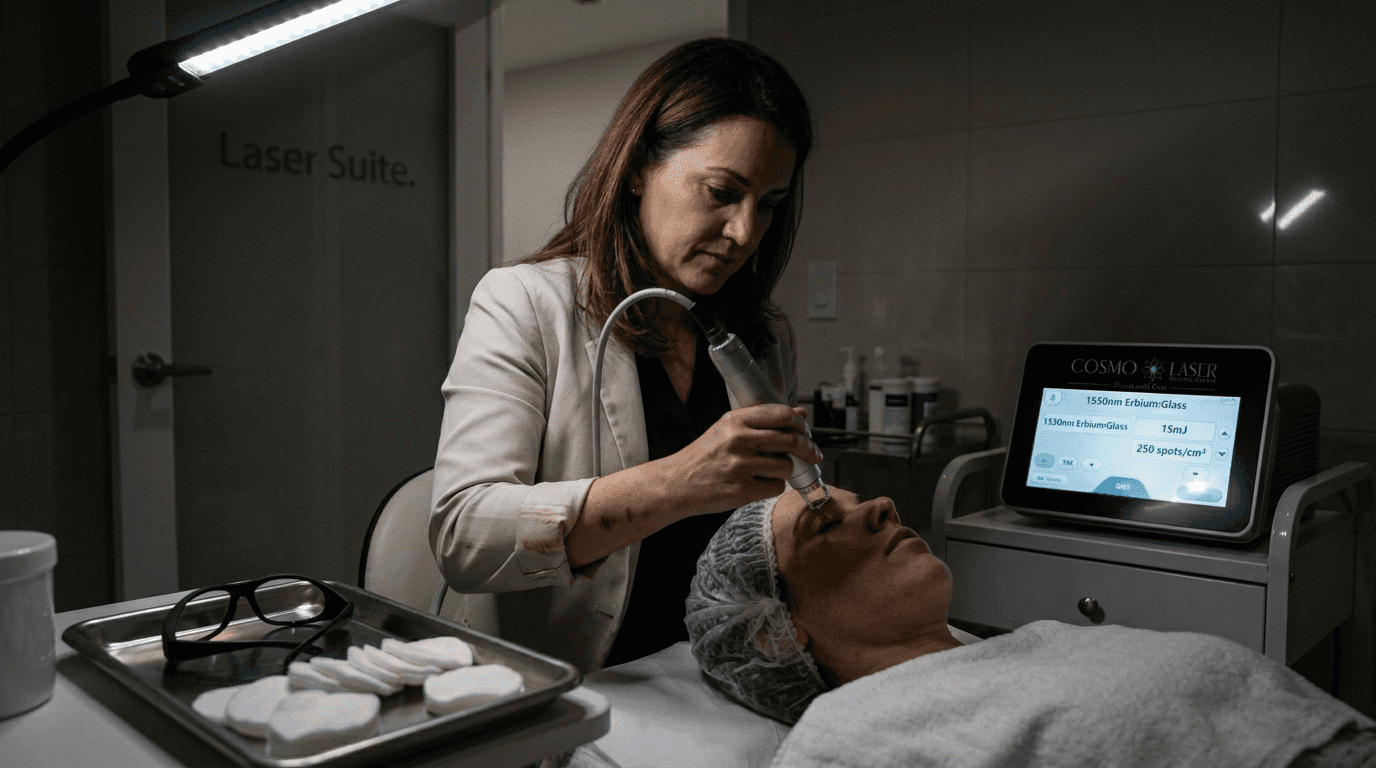
For UAE residents with darker skin tones, fractional non-ablative lasers offer particular advantages. These devices minimize heat damage to the epidermis while still stimulating dermal remodeling, significantly reducing hyperpigmentation risks that plague traditional laser treatments in darker skin. Proper wavelength selection and energy settings customized to your skin type ensure safe, effective outcomes.
Treatment protocols typically involve multiple sessions spaced four to six weeks apart. Initial improvements appear within weeks, but collagen remodeling continues for three to six months post-treatment. This delayed gratification requires patience but delivers natural-looking, long-lasting results that improve over time rather than fading quickly.
Post-treatment care is absolutely critical for optimal outcomes and complication prevention. Your skin will be more vulnerable to UV damage during healing, making rigorous sun protection non-negotiable. Use broad-spectrum SPF 50 or higher, reapply every two hours when outdoors, and wear protective clothing and hats. Gentle cleansers and fragrance-free moisturizers support healing without irritation. Avoid active ingredients like retinoids and acids until your clinician clears you to resume them.
Pro Tip: Schedule your laser skin resurfacing treatments during cooler months when sun exposure is easier to control and outdoor activities are less frequent. This timing reduces complication risks and makes post-care adherence more manageable in the UAE climate.
Key benefits of fractional laser resurfacing:
- Treats multiple skin concerns including scars, wrinkles, and pigmentation simultaneously
- Stimulates natural collagen production for gradual, long-lasting improvements
- Non-ablative options reduce hyperpigmentation risks in darker skin types
- Customizable energy settings allow treatment tailored to individual needs
- Results continue improving for months as collagen remodeling progresses
| Condition Treated | Expected Improvement | Typical Sessions Required |
|---|---|---|
| Acne scars | 50-75% improvement | 3-5 sessions |
| Fine lines and wrinkles | 40-60% reduction | 2-4 sessions |
| Pigmentation and sun damage | 60-80% lightening | 2-3 sessions |
| Stretch marks | 30-50% improvement | 4-6 sessions |
Fractional laser technology continues evolving with newer devices offering enhanced safety profiles and shorter recovery times. However, the fundamental principle of controlled microscopic injury stimulating collagen remains the gold standard for non-surgical skin rejuvenation. When performed by experienced practitioners using appropriate settings for your skin type, fractional lasers deliver remarkable improvements with manageable risks.
Radiofrequency therapy: a popular alternative for skin tightening and rejuvenation
Radiofrequency therapy has emerged as a compelling alternative to laser treatments, offering effective skin rejuvenation with distinct advantages that appeal to many patients. This non-ablative technology uses controlled heating to achieve impressive tightening and texture improvements.
RF stimulates collagen contraction and neocollagenesis for skin rejuvenation and body contouring. The thermal energy penetrates deep into the dermis, causing immediate collagen fiber contraction while triggering long-term collagen production. This dual action delivers both instant tightening and progressive improvement over subsequent months.
FDA-approved devices like Thermage have established RF's safety and efficacy since the early 2000s, building an extensive track record across diverse patient populations. This long history provides reassurance that the technology delivers consistent results with well-understood risk profiles. Newer RF devices continue refining the approach with improved comfort and precision.
RF therapy has gained popularity due to few adverse effects and short downtime. Most patients experience only mild redness and warmth immediately after treatment, resolving within hours. This minimal disruption makes RF particularly attractive for busy professionals who cannot afford extended recovery periods. You can typically return to work and normal activities the same day.
The treatment suits patients seeking wrinkle smoothing, skin tightening, and texture improvement without the commitment and risks of more aggressive procedures. RF works well for mild to moderate skin laxity, making it ideal for preventive rejuvenation in younger patients or maintenance in those not ready for surgical intervention. The technology also extends beyond facial applications to body contouring and cellulite reduction.
Treatment sessions are relatively quick, often completed in 30 to 60 minutes depending on the area treated. Patients report tolerable discomfort during the procedure, with most devices incorporating cooling mechanisms to enhance comfort. Unlike lasers that require multiple sessions, some RF treatments deliver noticeable results after a single session, though optimal outcomes often involve two to three treatments.
Pro Tip: RF therapy works exceptionally well when combined with other modalities like skin resurfacing or injectables for comprehensive rejuvenation. This layered approach addresses multiple aging mechanisms simultaneously, delivering superior results compared to any single treatment alone.
Key advantages of radiofrequency therapy:
- Non-ablative approach with minimal downtime and quick recovery
- Suitable for all skin types with low hyperpigmentation risk
- Immediate tightening effect plus progressive improvement over months
- Versatile application for face, neck, body contouring, and cellulite
- Established safety record with FDA-approved devices since early 2000s
The technology continues advancing with innovations like microneedling RF, which combines fractional delivery with radiofrequency energy for enhanced penetration and results. These hybrid approaches offer even greater customization for specific concerns and skin types. As RF devices become more sophisticated, they provide increasingly precise control over treatment depth and intensity, maximizing efficacy while minimizing side effects.
Comparing fractional laser resurfacing and radiofrequency therapy
Understanding the distinctions between fractional laser resurfacing and radiofrequency therapy helps you select the treatment best aligned with your goals, skin type, and lifestyle. Both deliver impressive rejuvenation through different mechanisms with unique advantages.
Fractional lasers create microscopic treatment zones that trigger intense collagen remodeling through controlled injury. This targeted approach excels at addressing textural irregularities, deep scars, and significant sun damage. The precision allows clinicians to customize treatment intensity, but higher energy settings typically involve more downtime. Expect several days of redness, swelling, and peeling with more aggressive protocols.
Radiofrequency takes a gentler approach, using bulk heating to stimulate collagen without creating visible wounds. The thermal effect penetrates deeper layers while preserving the skin surface, resulting in minimal visible recovery. This makes RF ideal for patients prioritizing convenience and discretion. However, the diffuse heating may be less effective for very specific or severe textural concerns compared to the precise targeting of fractional lasers.
Skin types with pigmentation concerns benefit from careful consideration of both options. Fractional non-ablative lasers, when properly calibrated, safely treat darker skin with lower hyperpigmentation risk than traditional lasers. RF carries even lower pigmentation risk due to its non-light-based mechanism, making it an excellent choice for very dark skin or patients with a history of post-inflammatory hyperpigmentation. Your clinician's experience with your specific skin type should guide this decision.
Both technologies improve texture and reduce wrinkles, but through different timelines and mechanisms. Fractional lasers often deliver more dramatic improvements in fewer sessions for severe concerns, while RF provides subtler, natural-looking results that build gradually. Some patients prefer the more obvious transformation lasers can provide, while others appreciate RF's understated enhancement.
Session protocols differ significantly between treatments. Fractional laser courses typically require three to five sessions spaced one to two months apart, with each session involving noticeable recovery. RF may achieve desired results in one to three sessions with minimal interruption to daily life. Consider your schedule, tolerance for visible healing, and patience for gradual versus more rapid improvement.
Pro Tip: Many patients achieve optimal results by strategically combining both technologies at different life stages or for different concerns. Use RF for maintenance and prevention in your 30s and early 40s, then transition to fractional lasers when more significant correction becomes necessary.
| Feature | Fractional Laser Resurfacing | Radiofrequency Therapy |
|---|---|---|
| Mechanism | Microscopic injury zones stimulating collagen | Bulk heating causing collagen contraction and production |
| Downtime | Several days to weeks depending on intensity | Minimal, typically hours to one day |
| Best for | Scars, severe sun damage, significant texture issues | Mild laxity, wrinkles, preventive tightening |
| Skin type considerations | Safe for dark skin with non-ablative wavelengths | Suitable for all skin types with minimal pigmentation risk |
| Session requirements | 3-5 sessions for optimal results | 1-3 sessions depending on concern |
| Results timeline | Gradual improvement over 3-6 months | Immediate tightening plus progressive enhancement |
Key comparison points:
- Fractional lasers provide more dramatic correction for severe concerns
- RF offers convenience with minimal recovery and lifestyle disruption
- Both stimulate collagen but through different mechanisms and depths
- Laser treatments require stricter sun protection during healing
- RF suits patients seeking subtle, natural-looking enhancement
- Treatment choice depends on concern severity, skin type, and downtime tolerance
Your lifestyle and goals should ultimately drive your decision. If you can accommodate recovery time and desire significant improvement in texture or scarring, fractional lasers may be ideal. If you need to maintain a busy schedule and prefer gradual enhancement, RF provides excellent results without disruption. Many patients benefit from both technologies at different times, using each for its particular strengths.
Explore expert aesthetic treatments at Cosmolaser Sharjah
Now that you understand the science behind leading skin rejuvenation technologies, you can take the next step toward achieving your aesthetic goals with confidence. Cosmolaser offers advanced fractional laser and RF treatments tailored specifically to your skin needs and concerns.
Professional care ensures safe procedures perfectly suited to UAE skin types and the unique challenges of our climate. Our experienced specialists understand the importance of customizing treatment parameters for darker skin tones and managing post-care in sunny environments. Beyond laser and RF options, we provide complementary solutions including Botox and dermal fillers for comprehensive facial rejuvenation addressing both texture and volume concerns. Booking a consultation helps determine the best personalized aesthetic plan combining treatments for optimal, natural-looking results that enhance your confidence.
FAQ
What are the most popular aesthetic treatments for skin rejuvenation in Sharjah?
Fractional laser resurfacing and radiofrequency therapy rank among the most sought-after treatments for skin rejuvenation in Sharjah and throughout the UAE. Both offer effective collagen stimulation with varying downtime and suitability for different skin types and concerns. Many patients also combine these technologies with chemical peels or injectables for comprehensive results.
Is fractional laser resurfacing safe for darker skin tones?
Yes, fractional non-ablative lasers reduce hyperpigmentation risks in darker skin types when properly calibrated by experienced clinicians. These devices target deeper tissue layers while minimizing surface damage, making them safer for Fitzpatrick types IV through VI common in the UAE. Always consult practitioners with extensive experience treating diverse skin tones to ensure optimal safety and results.
How long is the downtime after radiofrequency therapy?
RF therapy has short patient downtime and few adverse effects, typically allowing immediate return to daily activities. Most patients experience only mild redness or warmth that resolves within hours to one day. This minimal disruption makes RF particularly appealing for professionals who cannot afford extended recovery periods or visible healing.
Can I combine fractional laser and radiofrequency treatments?
Yes, many patients achieve superior results by strategically combining both technologies either simultaneously or in sequence. RF can prepare skin and stimulate initial collagen production, while fractional lasers address specific textural concerns with precision. Your clinician will design a customized protocol based on your skin condition, goals, and tolerance for downtime to maximize benefits while managing risks.
How do I maintain results after skin rejuvenation treatments?
Maintaining results requires diligent sun protection with broad-spectrum SPF 50 or higher, quality skincare including antioxidants and retinoids, and periodic maintenance treatments. Most patients benefit from annual or biannual sessions to sustain collagen production and address new concerns as they emerge. Healthy lifestyle habits including hydration, nutrition, and stress management also support long-term skin health and treatment longevity.