
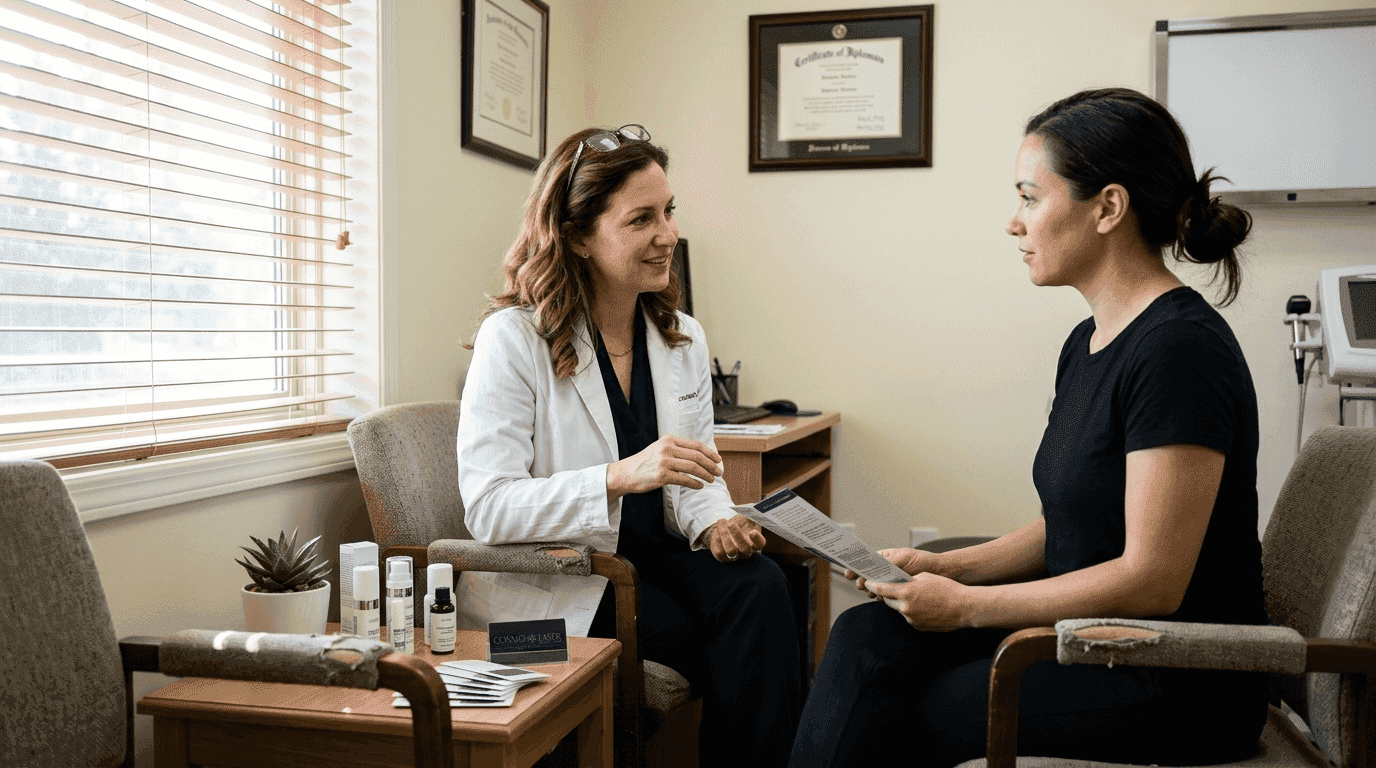
Many believe minimally invasive cosmetic procedures deliver only temporary, superficial changes. That's outdated. Today's regenerative approaches like PRP and biostimulatory fillers stimulate natural collagen production, creating lasting rejuvenation without surgery. This guide explains how these treatments work, what's popular in 2026, and how to choose the right procedure for your aesthetic goals in the UAE.
Table of Contents
- Introduction: Defining Minimally Invasive Cosmetic Procedures
- How Minimally Invasive Cosmetic Procedures Work: The Biology And Technology
- Popular Minimally Invasive Cosmetic Procedures In 2026
- Safety, Recovery, And Effectiveness Of Minimally Invasive Procedures
- Innovations And Trends Driving Minimally Invasive Cosmetics In 2026
- Common Misconceptions About Minimally Invasive Cosmetic Procedures
- Choosing The Right Minimally Invasive Procedure For You
- Conclusion: Embracing Safe And Effective Minimally Invasive Aesthetic Enhancements
- Discover Expert Minimally Invasive Cosmetic Treatments At CosmoLaser Medical Center
Key takeaways
| Point | Details |
|---|---|
| Minimal incisions, fast recovery | Procedures require little to no cutting, use local anesthesia, and allow quick return to daily activities. |
| Biological rejuvenation | Treatments stimulate your body's natural collagen and elastin for lasting, natural results. |
| Popular options in 2026 | Botox, dermal fillers, microneedling, laser therapy, and regenerative treatments lead the market. |
| Safe with professional care | Low complication risks when performed by certified specialists using proper techniques. |
| Regenerative trends rising | Combination therapies and biostimulatory approaches deliver longer-lasting, multi-dimensional improvements. |
Introduction: defining minimally invasive cosmetic procedures
Minimally invasive cosmetic procedures transform your appearance without the extensive cutting, general anesthesia, or prolonged recovery of traditional surgery. These treatments involve minimal or no incisions, typically use local anesthesia or none at all, and take place in comfortable outpatient settings. You walk in, receive treatment, and resume most activities within hours or days.
The scope includes diverse options tailored to specific aesthetic goals:
- Neuromodulators like Botox soften wrinkles by temporarily relaxing facial muscles
- Dermal fillers restore volume, sculpt contours, and smooth lines using hyaluronic acid or other biocompatible materials
- Microneedling creates controlled micro-injuries to trigger collagen production and improve skin texture
- Laser therapies target pigmentation, fine lines, and skin tone through precise energy delivery
- Regenerative treatments harness PRP therapy and other biological methods to enhance natural healing
The UAE aesthetic market has embraced these procedures enthusiastically. Demand surged as patients recognized they could achieve meaningful improvements without surgical risks or lengthy downtime. Unlike traditional facelifts or invasive body contouring requiring weeks of recovery, these modern approaches fit seamlessly into busy lifestyles while delivering natural-looking enhancements.
Traditional surgery involves general anesthesia, significant incisions, hospital stays, and recovery periods stretching weeks to months. Minimally invasive procedures sidestep these challenges entirely, offering targeted solutions with precision and convenience.
How minimally invasive cosmetic procedures work: the biology and technology
These procedures succeed by working with your body's natural regenerative systems rather than against them. Understanding the biological mechanisms reveals why results look natural and improve over time.
Three primary mechanisms drive outcomes:
- Collagen stimulation: Treatments like microneedling and certain lasers create controlled injury signals that prompt fibroblasts to produce fresh collagen and elastin fibers
- Neuromodulation: Botulinum toxin temporarily blocks nerve signals to specific facial muscles, preventing contraction patterns that create wrinkles
- Volume restoration: Injectable fillers replace lost facial volume or enhance contours by adding hyaluronic acid or other materials beneath the skin
The revolution in 2026 centers on regenerative medicine techniques that amplify your body's healing capacity. PRP therapy concentrates growth factors from your own blood to accelerate tissue repair. Platelet-rich fibrin (PRF) extends this benefit with longer growth factor release. Exosomes deliver cellular signals that coordinate healing responses. Biostimulatory fillers like calcium hydroxylapatite or poly-L-lactic acid gradually stimulate new collagen formation while providing immediate structural support.
Minimally invasive cosmetic procedures deliver natural-looking facial rejuvenation by stimulating collagen and elastin production instead of merely filling or removing tissue.
This biological approach creates results that evolve naturally over weeks and months. Your skin literally rebuilds itself from within, producing improvements that integrate seamlessly with your natural features. The synergy between advanced technology and biological wisdom defines modern aesthetic medicine, offering outcomes impossible with either approach alone.
Popular minimally invasive cosmetic procedures in 2026
The aesthetic landscape offers proven treatments addressing diverse concerns, each leveraging specific biological mechanisms for targeted results.
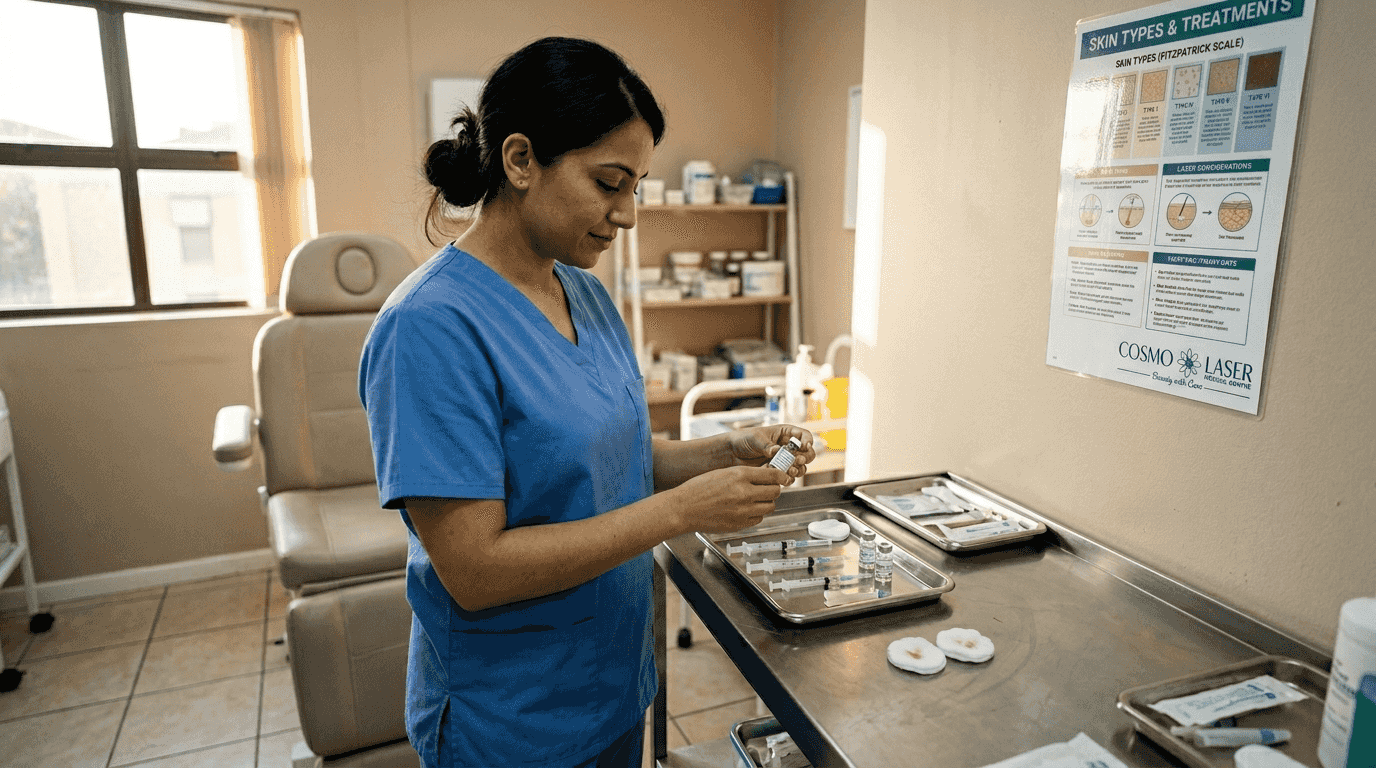
Botox and neuromodulators remain the most requested procedure globally. These injectable treatments temporarily relax specific facial muscles responsible for dynamic wrinkles like crow's feet, forehead lines, and frown lines. Beyond wrinkle reduction, skilled practitioners use botox treatment for brow lifts, jawline slimming, and preventive care in younger patients. Effects appear within days and last three to four months.
Dermal fillers restore facial volume lost with aging or enhance features like lips and cheeks. Hyaluronic acid fillers provide immediate plumping with natural feel and reversibility if needed. Biostimulatory fillers work gradually, stimulating your own collagen production for longer-lasting structural improvements. Strategic placement restores youthful contours and balances proportions.
Microneedling and radiofrequency microneedling address skin texture, acne scars, and fine lines through controlled injury that triggers collagen induction. Adding radiofrequency energy enhances results by heating deeper skin layers, tightening tissue and amplifying collagen production. Treatments require minimal downtime with gradual improvements over several months.
Laser therapy encompasses multiple technologies targeting specific concerns. Fractional lasers create microscopic treatment zones that stimulate healing while leaving surrounding tissue intact. This approach improves tone, texture, and fine lines with shorter recovery than traditional ablative lasers. IPL (intense pulsed light) addresses pigmentation and redness. Skin resurfacing options continue advancing with gentler protocols and better results.
The scale of adoption speaks volumes. Over 20.5 million non-invasive procedures were performed worldwide in 2024, representing roughly 80% of all aesthetic treatments. This trend accelerated in 2026 as technology improved and patient education expanded.
Safety, recovery, and effectiveness of minimally invasive procedures
Understanding realistic expectations around safety and recovery helps you make confident decisions about treatment.
Most procedures use local anesthesia applied topically or injected in small amounts, eliminating risks associated with general anesthesia. Treatments occur in comfortable office settings without hospital admission. You remain awake and aware throughout, communicating with your practitioner about comfort and concerns.
Recovery timelines vary by procedure intensity:
- Botox and fillers: Return to normal activities immediately with possible minor bruising or swelling for 1-2 days
- Microneedling: Mild redness resembling sunburn for 24-48 hours
- Laser treatments: Temporary redness and flaking for 3-7 days depending on intensity
- Combination procedures: Recovery may extend to one week for more comprehensive treatment
Complication rates remain significantly lower than surgical alternatives when procedures follow proper protocols. Potential side effects include temporary bruising, swelling, redness, or tenderness at treatment sites. Serious complications like infection or vascular issues occur rarely and almost exclusively result from improper technique or unqualified practitioners.
Results demonstrate genuine effectiveness. Neuromodulators reliably soften wrinkles for 3-4 months. Hyaluronic acid fillers last 6-18 months depending on product and placement. Biostimulatory fillers and regenerative treatments produce improvements lasting 12-24 months or longer. Skin resurfacing benefits accumulate with repeated sessions, creating progressive enhancement.
Pro Tip: Selecting board-certified dermatologists or plastic surgeons with specific training in injectable techniques dramatically reduces risks and improves aesthetic outcomes. Verify credentials before booking any procedure.
Innovations and trends driving minimally invasive cosmetics in 2026
The field evolves rapidly as researchers discover better ways to harness biological healing and patient preferences shift toward natural, sustainable results.
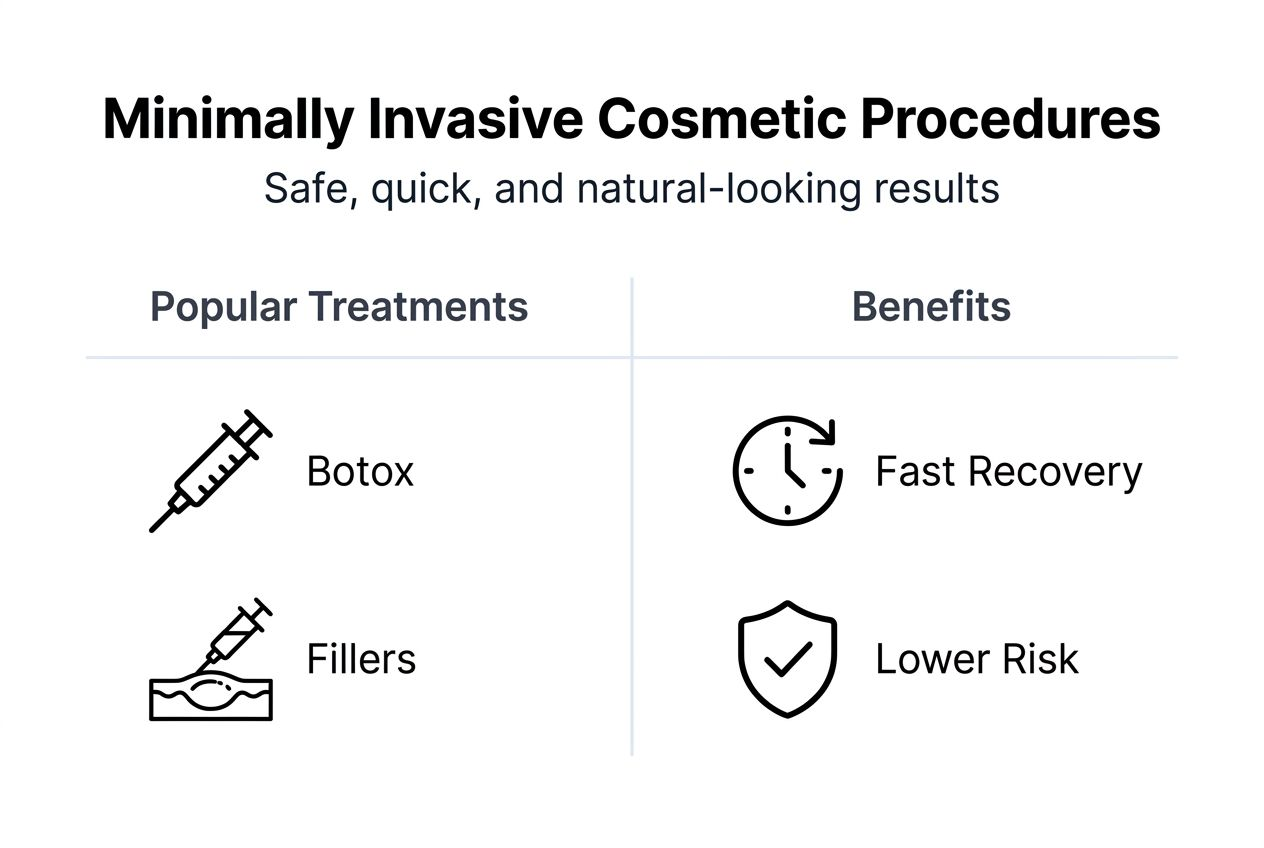
Biostimulatory approaches dominate innovation. Rather than simply filling or freezing, these treatments stimulate your body's regenerative capacity for gradual, natural improvement. Regenerative therapies using PRP, PRF, and exosomes stimulate collagen repair and skin quality, offering long-lasting improvements beyond traditional fillers.
Prejuvenation represents a philosophical shift in aesthetic medicine. Younger patients in their late 20s and early 30s pursue preventive treatments with low-dose neurotoxins and subtle microfillers. The goal isn't dramatic transformation but delaying visible aging by maintaining skin quality and preventing deep wrinkle formation. This proactive approach proves more effective than addressing advanced aging later.
Combination treatments deliver synergistic benefits impossible with single modalities. Practitioners layer complementary procedures addressing different aging mechanisms simultaneously. PRP therapy enhances filler longevity. Microneedling amplifies topical skincare absorption. Lasers prepare skin for better injectable outcomes.
| Approach | Traditional Methods | Regenerative Methods | Key Benefits |
|---|---|---|---|
| Mechanism | Add volume or relax muscles | Stimulate natural collagen production | Longer-lasting, natural integration |
| Duration | 3-12 months typical | 12-24+ months possible | Fewer maintenance visits |
| Results | Immediate effect | Gradual improvement over weeks | More natural appearance evolution |
| Examples | Standard HA fillers, basic Botox | PRP, PRF, biostimulatory fillers, exosomes | Enhanced skin quality beyond structure |
Pro Tip: Consider combination therapies tailored to your specific concerns rather than single treatments. Multi-modal approaches often produce superior, longer-lasting results by addressing aging from multiple biological angles simultaneously.
Common misconceptions about minimally invasive cosmetic procedures
Clearing up persistent myths helps you evaluate options accurately.
Myth: Results are only temporary and superficial. Early fillers and neurotoxins did offer shorter-lived improvements, but modern regenerative approaches change this equation. Biostimulatory fillers stimulate your own collagen production, creating structural improvements that outlast the filler material itself. PRP and PRF treatments enhance skin quality at cellular levels. These biological improvements build over time and maintain better than passive volume addition alone.
Myth: These procedures are completely risk-free. While safer than surgery, minimally invasive treatments still carry minor risks. Bruising, swelling, and temporary discomfort occur commonly. Rare complications include infection, allergic reactions, or vascular complications from improper injection technique. Professional care from qualified practitioners minimizes these risks dramatically, but claiming zero risk misleads patients.
Myth: Minimally invasive procedures equal cosmetic surgery. The distinction matters significantly. Cosmetic surgery involves cutting tissue, repositioning structures, and removing excess skin under general anesthesia. Recovery extends weeks to months. Minimally invasive procedures use needles, energy devices, or topical applications with minimal tissue disruption. Most patients resume normal activities within days. The risk profiles, costs, and commitment levels differ substantially.
Myth: All aesthetic treatments are the same. Medical dermatology addresses disease and dysfunction like severe acne or skin cancer. Cosmetic dermatology focuses on appearance enhancement in healthy skin. While some treatments serve both purposes (laser therapy treats medical conditions and cosmetic concerns), the goals and approaches differ. Understanding this distinction helps you seek appropriate care.
Choosing the right minimally invasive procedure for you
Selecting suitable treatments requires systematic evaluation of your goals, characteristics, and available options.
Follow this decision sequence:
- Schedule comprehensive consultation with a qualified specialist to discuss concerns, medical history, and aesthetic goals honestly
- Undergo thorough assessment including skin analysis, facial structure evaluation, and discussion of realistic outcomes
- Review treatment options appropriate for your specific concerns, skin type, and lifestyle constraints
- Understand preparation requirements like avoiding certain medications or supplements before treatment
- Commit to aftercare protocols ensuring optimal healing and result longevity
- Plan maintenance schedule for treatments requiring periodic sessions to maintain benefits
Several factors influence treatment selection. Age affects skin elasticity and collagen reserves, determining which procedures deliver best results. Skin type impacts laser settings and chemical peel strengths, particularly important for diverse UAE populations. Cultural preferences around natural versus enhanced appearance guide treatment intensity. Budget considerations balance immediate investment against long-term maintenance costs.
Clinic selection matters enormously. Verify practitioner credentials including board certification in dermatology or plastic surgery. Review before-and-after photos showing realistic results in patients similar to you. Check clinic hygiene standards and equipment maintenance protocols. The cosmetic dermatology workflow UAE 2026 emphasizes systematic evaluation and treatment planning.
Different procedures suit different needs. Skin resurfacing addresses texture and tone concerns. Injectable treatments restore volume and smooth wrinkles. Some clinics even offer dental implant procedures as part of comprehensive facial aesthetic planning.
Pro Tip: Prioritize finding an experienced, certified specialist over choosing based solely on promotional pricing. Proper technique and product quality directly determine both safety and results. Saving money on treatment often costs more in corrections later.
Conclusion: embracing safe and effective minimally invasive aesthetic enhancements
Minimally invasive cosmetic procedures represent a scientifically grounded approach to aesthetic enhancement, balancing meaningful results with safety and convenience. The biological foundation of modern treatments ensures natural-looking improvements that integrate seamlessly with your features.
Technology continues advancing rapidly, particularly in regenerative medicine. Techniques harnessing your body's healing capacity deliver longer-lasting results with better skin quality than earlier passive approaches. The shift from simply filling or freezing to actively stimulating natural repair processes marks a fundamental evolution in aesthetic medicine.
Personalized care remains crucial. Cookie-cutter approaches fail because each face ages uniquely and individuals pursue different aesthetic goals. Working with qualified specialists who take time to understand your specific needs and tailor treatment plans accordingly ensures optimal outcomes aligned with UAE patient expectations.
You now understand what minimally invasive procedures involve, how they work biologically, which options dominate in 2026, and how to select treatments matching your goals. This knowledge empowers confident decisions about pursuing aesthetic enhancements that honor your natural beauty while addressing specific concerns.
Discover expert minimally invasive cosmetic treatments at CosmoLaser Medical Center
Ready to explore how modern aesthetic treatments can enhance your natural beauty? CosmoLaser Medical Center in Sharjah specializes in advanced minimally invasive procedures tailored to UAE patients.
Our experienced specialists offer comprehensive botox treatment for wrinkle reduction and facial contouring, advanced dermal fillers options including biostimulatory products, and regenerative PRP therapy services that enhance your skin's natural healing capacity. We utilize the latest 2026 technologies and follow rigorous safety protocols to ensure optimal outcomes.
Every treatment begins with detailed consultation where we assess your unique skin characteristics, discuss your aesthetic goals, and design personalized treatment plans. Our commitment to natural-looking results and patient satisfaction has made us a trusted choice for cosmetic enhancement in the UAE. Contact CosmoLaser today to schedule your consultation and take the first step toward achieving your aesthetic goals with confidence.
FAQ
What does a minimally invasive cosmetic procedure involve?
These procedures typically require minimal or no incisions, use local anesthesia or none at all, and allow you to return home immediately after treatment. The focus is improving appearance through biological stimulation and advanced technology rather than surgical cutting and tissue removal.
Are minimally invasive cosmetic procedures safe for all skin types in the UAE?
Generally yes when performed by certified experts who customize treatments to individual skin types and tones. Professional consultation is essential to identify suitable procedures based on your specific skin sensitivity, pigmentation characteristics, and healing capacity.
How long do the results of these procedures typically last?
Results range from several months up to two years or longer depending on procedure type, product used, and individual factors like metabolism and lifestyle. Regenerative treatments using PRP or biostimulatory fillers tend to provide longer-lasting improvements by stimulating natural collagen production rather than simply adding temporary volume.
What should I consider before choosing a minimally invasive procedure?
Evaluate your specific aesthetic goals, current skin condition, overall health status, and realistic expectations about outcomes. Choose experienced specialists with proper certification and verify that the clinic uses current technologies and follows stringent safety protocols. Understanding the cosmetic dermatology workflow UAE 2026 helps you navigate the decision process systematically.