
TL;DR:
- Modern cosmetic dermatology relies on advanced devices like lasers, radiofrequency, ultrasound, and AI for precise skin treatment.
- Technology choices, such as HIFU, RF microneedling, and fractional lasers, are tailored to specific skin concerns and tones.
- Human expertise and personalized care remain essential, with AI and devices enhancing but not replacing trained clinicians.
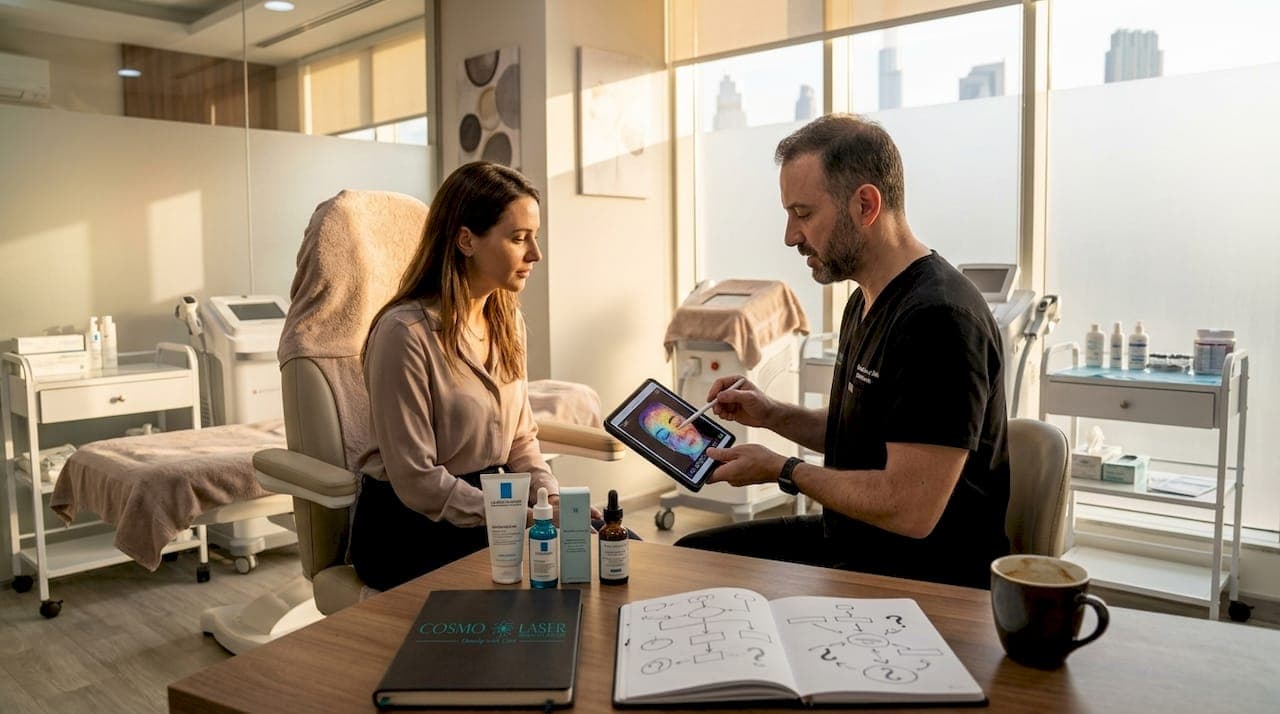
Cosmetic dermatology has changed faster in the last decade than in the previous century. The image of a dermatologist relying solely on creams, peels, and manual skill is outdated. Today, lasers, radiofrequency devices, ultrasound systems, and AI-powered imaging tools define what's possible for skin rejuvenation across the UAE. If you've been wondering whether the latest treatments are right for you, or simply want to understand what separates a technology-forward clinic from the rest, this guide walks you through the science, the devices, and the decisions that matter most.
Table of Contents
- Defining technology's role in modern cosmetic dermatology
- Top technologies revolutionizing skin rejuvenation
- Comparing technology-driven treatments: what works best for your skin?
- Limitations and expert insights: what to know before your treatment
- Technology-powered skin rejuvenation in the UAE: the patient's journey
- Why technology alone isn't enough: the human touch in UAE cosmetic dermatology
- Next steps: start your UAE skin transformation with experts
- Frequently asked questions
Key Takeaways
| Point | Details |
|---|---|
| Technology enhances precision | Modern devices allow targeted, effective skin rejuvenation tailored to your needs. |
| Multiple treatment options | Tech-driven choices like HIFU, RF microneedling, and fractional lasers address a wide range of skin concerns. |
| Expert guidance matters | Professional assessment ensures safe, optimal results that match your skin type and goals. |
| Clinic vs home differences | Clinic-grade technology delivers faster, more dramatic results compared to at-home devices. |
Defining technology's role in modern cosmetic dermatology
Let's start by clarifying what "technology-driven" really means for today's cosmetic dermatology. It's not just about having the newest machine in the room. It means using devices and digital systems that allow practitioners to treat skin with a level of precision, safety, and personalization that manual methods simply cannot match.
The shift started with lasers, which replaced many surgical procedures by targeting specific skin layers without harming surrounding tissue. Then came radiofrequency (RF) energy, which heats deeper skin structures to stimulate collagen. Ultrasound followed, capable of reaching even deeper tissue planes. Today, AI imaging layers on top of all of this, giving clinicians objective data about your skin before a single device is switched on.
Here's what the technology stack in a modern cosmetic dermatology clinic typically includes:
- Laser systems for resurfacing, pigmentation, and hair removal
- Radiofrequency devices for skin tightening and collagen remodeling
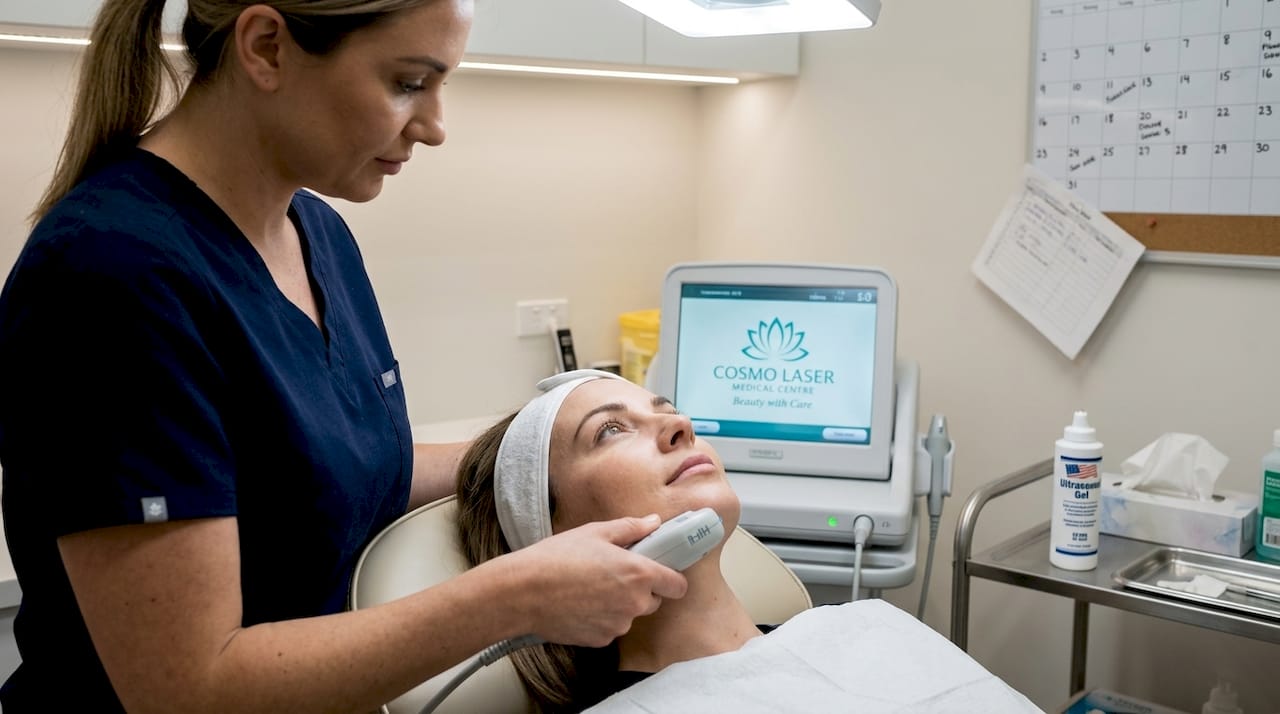
- Focused ultrasound (HIFU) for lifting deeper tissue layers
- AI-powered skin analysis for objective assessment of hydration, texture, and tone
- Combination platforms that merge multiple energies in one session
The AI layer is particularly significant. The PanDerm model outperforms clinicians by 10.2% in early melanoma detection, and AI imaging now analyzes skin hydration, texture, and pigmentation with objective consistency that the human eye cannot replicate.
"Technology doesn't replace the dermatologist. It gives them a sharper set of tools and a clearer picture of what your skin actually needs."
For UAE patients, this matters because skin types and concerns here vary widely. Explore how advanced skin lasers are already reshaping treatment outcomes, and review UAE cosmetic dermatology tips to understand what personalized care looks like in practice.
Top technologies revolutionizing skin rejuvenation
Now that the technological revolution is clear, let's look at which devices and systems are setting the pace for skin rejuvenation results.
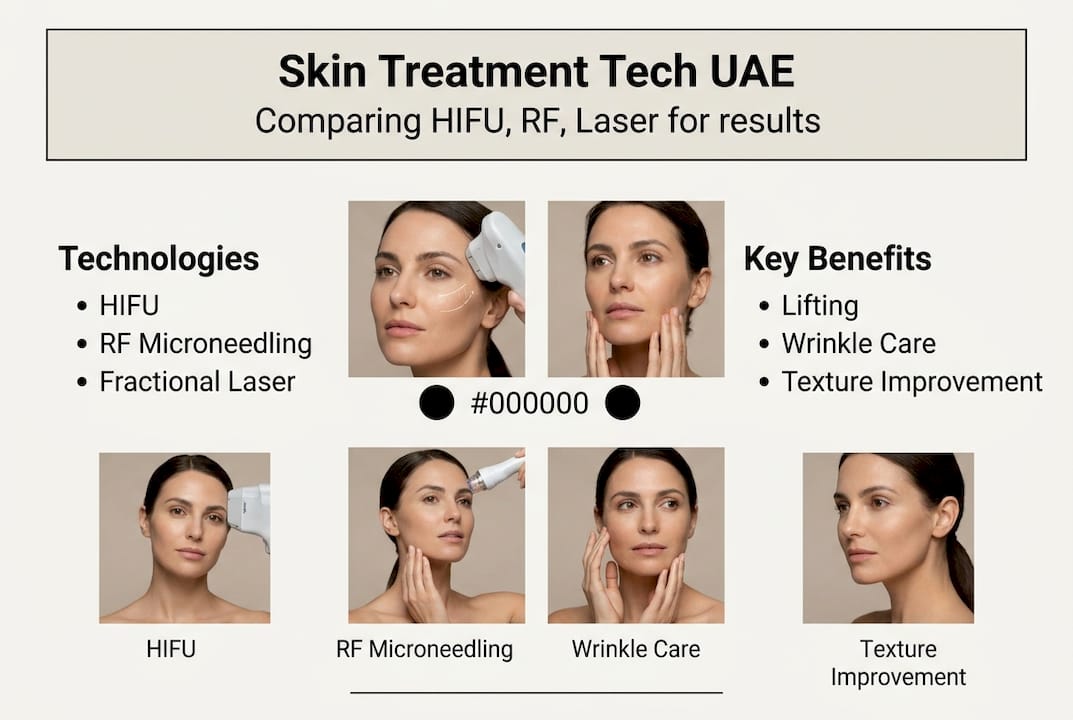
HIFU (High-Intensity Focused Ultrasound) targets the SMAS layer, which is the same tissue plane addressed in surgical facelifts, at depths of 4.5 to 13mm. HIFU delivers focused energy that causes thermal coagulation and collagen remodeling, with lifting effects that last 12 to 18 months. No needles, no incisions. It's one of the few non-surgical options that genuinely reaches the structural layer of the face.
RF microneedling combines two proven mechanisms. The microneedles create controlled micro-injuries that trigger healing, while radiofrequency energy is delivered directly into the dermis. RF microneedling and skin tightening shows a strong correlation between applied energy per needle and coagulation volume (r=0.976), producing dose-dependent wrinkle reduction after just one to three sessions.
Fractional lasers work by creating thousands of microscopic treatment zones in the skin, leaving surrounding tissue intact to accelerate healing. They're highly effective for resurfacing, pigmentation correction, and collagen stimulation. Learn more about fractional laser treatments and how they compare to other options.
| Technology | Primary target | Depth reached | Sessions needed |
|---|---|---|---|
| HIFU | Lifting, laxity | 4.5–13mm (SMAS) | 1–2 per year |
| RF microneedling | Tightening, wrinkles | Dermis (1–3.5mm) | 1–3 sessions |
| Fractional laser | Resurfacing, pigmentation | Epidermis/dermis | 2–5 sessions |
| AI skin analysis | Diagnosis, planning | Surface imaging | Every visit |
Pro Tip: Ask your clinic which specific device model they use, not just the technology category. Results vary significantly between device generations and manufacturers.
For a broader view of what's available, the aesthetic treatments for rejuvenation guide covers the full landscape of 2026 options.
Comparing technology-driven treatments: what works best for your skin?
With these technologies identified, the next step is choosing the right fit for your own skin concerns. Not every device suits every patient, and in the UAE, where skin tones range from Type I to Type VI on the Fitzpatrick scale, matching the treatment to your skin is critical.
Here's how to think about it:
- For facial laxity and lifting: HIFU is the strongest non-surgical option. HIFU vs standard cosmetic devices shows HIFU is superior in wrinkle reduction and tightening, with RF and MFU-V showing comparable neck laxity improvement persistent to 180 days.
- For wrinkles and skin texture: RF microneedling delivers consistent, measurable improvement in skin texture and fine lines with minimal risk across most skin tones.
- For pigmentation and sun damage: Fractional lasers, particularly 1550nm, 1940nm, and picosecond wavelengths, are highly targeted. Fractional lasers for skin rejuvenation create microthermal zones for resurfacing and collagen stimulation with minimal downtime.
- For overall skin health assessment: AI skin analysis at the start of every consultation gives your dermatologist a data-driven baseline to track real progress.
- For combination concerns: Many UAE clinics now combine HIFU with RF microneedling or fractional lasers in staged treatment plans for patients with multiple goals.
| Treatment | Best for | Downtime | Skin tone suitability |
|---|---|---|---|
| HIFU | Laxity, lifting | None to minimal | All tones |
| RF microneedling | Wrinkles, tightening | 1–3 days | All tones |
| Fractional laser | Pigmentation, texture | 3–7 days | Types I–IV (caremust be taken for V–VI) |
For patients in Sharjah and across the UAE, skin rejuvenation in Sharjah offers a practical entry point to explore which treatments are available locally.
Limitations and expert insights: what to know before your treatment
Even cutting-edge tech has its boundaries. Understanding these helps you make safer, better-informed choices before committing to any procedure.
The first thing to address is the at-home device market. Devices sold for home use, including handheld HIFU wands and consumer RF tools, are intentionally limited in power output for safety reasons. Are at-home beauty tools worth the investment? confirms that at-home devices are inferior to clinical-grade equipment, operating at gentler intensities and producing slower, more modest results. They're not a substitute for professional treatment.
The second issue is AI's current limitation with skin tone diversity. AI diagnostic models perform best when trained on representative datasets. Without sufficient data from diverse skin tones, particularly darker Fitzpatrick types common across the UAE and wider Middle East, model accuracy drops. This is a known gap in the industry and one reason why human expertise remains essential.
Here's what to look for when choosing a clinic in the UAE:
- Verified device credentials: Confirm the clinic uses FDA-cleared or CE-marked devices
- Practitioner qualifications: Look for licensed dermatologists or trained aesthetic physicians, not just technicians
- Personalized consultation: A proper clinic will assess your skin before recommending any treatment
- Post-treatment support: Follow-up care is part of the result, not an optional extra
- Transparent pricing: Avoid clinics that push packages without explaining what each session targets
Pro Tip: Before any treatment, ask your practitioner how they adjust protocols for your specific skin tone and any seasonal factors, like the UAE's intense summer sun, which can affect healing.
The anti-aging treatments guide is a useful resource for understanding how to build a safe, effective long-term skin plan.
Technology-powered skin rejuvenation in the UAE: the patient's journey
To wrap up the body content, here's how a technology-forward experience actually unfolds for patients in the UAE, from the first appointment to lasting results.
- Initial consultation: Your dermatologist reviews your medical history, lifestyle, and skin goals. UAE-specific factors like sun exposure, humidity, and diet all influence the treatment plan.
- AI skin analysis: A digital imaging system captures objective data on your skin's hydration levels, pigmentation distribution, texture irregularities, and pore size. This creates a measurable baseline.
- Personalized treatment plan: Based on the analysis and your goals, the practitioner selects the most appropriate technology or combination of technologies. There is no one-size-fits-all protocol.
- Treatment session: Depending on the chosen device, sessions range from 30 to 90 minutes. Most technology-based treatments are well-tolerated with topical numbing cream applied beforehand.
- Immediate aftercare: Your practitioner provides specific post-treatment instructions, including sun protection guidelines critical in the UAE climate.
- Follow-up and tracking: Progress is measured against your AI baseline at follow-up appointments, allowing the plan to be adjusted based on actual results rather than guesswork.
Patients who communicate openly about their lifestyle, including outdoor activity, skincare habits, and previous treatments, consistently see better outcomes. The technology is the tool. Your involvement is what makes it work.
Why technology alone isn't enough: the human touch in UAE cosmetic dermatology
Here's something the industry doesn't say loudly enough: the most advanced device in the world produces mediocre results in the wrong hands. We've seen this pattern repeatedly. Clinics that invest heavily in equipment but underinvest in practitioner training end up with disappointed patients, regardless of the technology used.
In the UAE specifically, cultural sensitivity and communication matter as much as clinical skill. Patients here come from dozens of nationalities, with different aesthetic ideals, different skin histories, and different expectations. A practitioner who understands this, who listens before they treat, consistently outperforms one who simply follows a device protocol.
Technology amplifies expertise. It does not create it. The minimally invasive procedures guide captures this well: the best outcomes come from combining the right device with the right clinical judgment and genuine patient involvement. Trust, continuity, and honest communication are what separate a transformative result from a transactional one. Choose your clinic accordingly.
Next steps: start your UAE skin transformation with experts
Ready to experience the benefits of these technologies? At CosmoLaser Medical Center in Sharjah, we combine leading-edge devices with the clinical expertise and personalized care that actually deliver results.
Our team of experienced cosmetic dermatologists offers the full range of technology-driven treatments, from skin rejuvenation specialists using HIFU and RF microneedling to face fillers options and botox treatments tailored to your unique goals. Every patient journey starts with a thorough consultation and AI-assisted skin analysis so your plan is grounded in data, not guesswork. Book your consultation today and take the first real step toward skin that reflects how you want to look and feel.
Frequently asked questions
How do I choose between HIFU, RF microneedling, and fractional lasers?
HIFU vs standard cosmetic devices shows HIFU leads for laxity and lifting, while RF microneedling targets wrinkles and RF microneedling suits most skin tones for tightening. A dermatologist consultation will match the right technology to your specific skin type and goals.
Are technology-based skin treatments safe for all skin tones in the UAE?
Most treatments are safe when performed by qualified professionals who adjust device settings for your skin tone. Are at-home beauty tools worth the investment? notes that AI models currently perform best with representative training data, making expert human oversight especially important for diverse skin tones.
What's the downtime for fractional laser and RF microneedling?
Fractional lasers for skin rejuvenation typically involve three to seven days of mild redness and peeling, while RF microneedling usually resolves within one to three days, letting most patients return to normal activities quickly.
What limitations should I expect with at-home skin devices?
Are at-home beauty tools worth the investment? confirms that consumer devices operate at lower intensities than clinical equipment, making them suitable only for mild, gradual improvements rather than the measurable results achieved in a professional setting.