
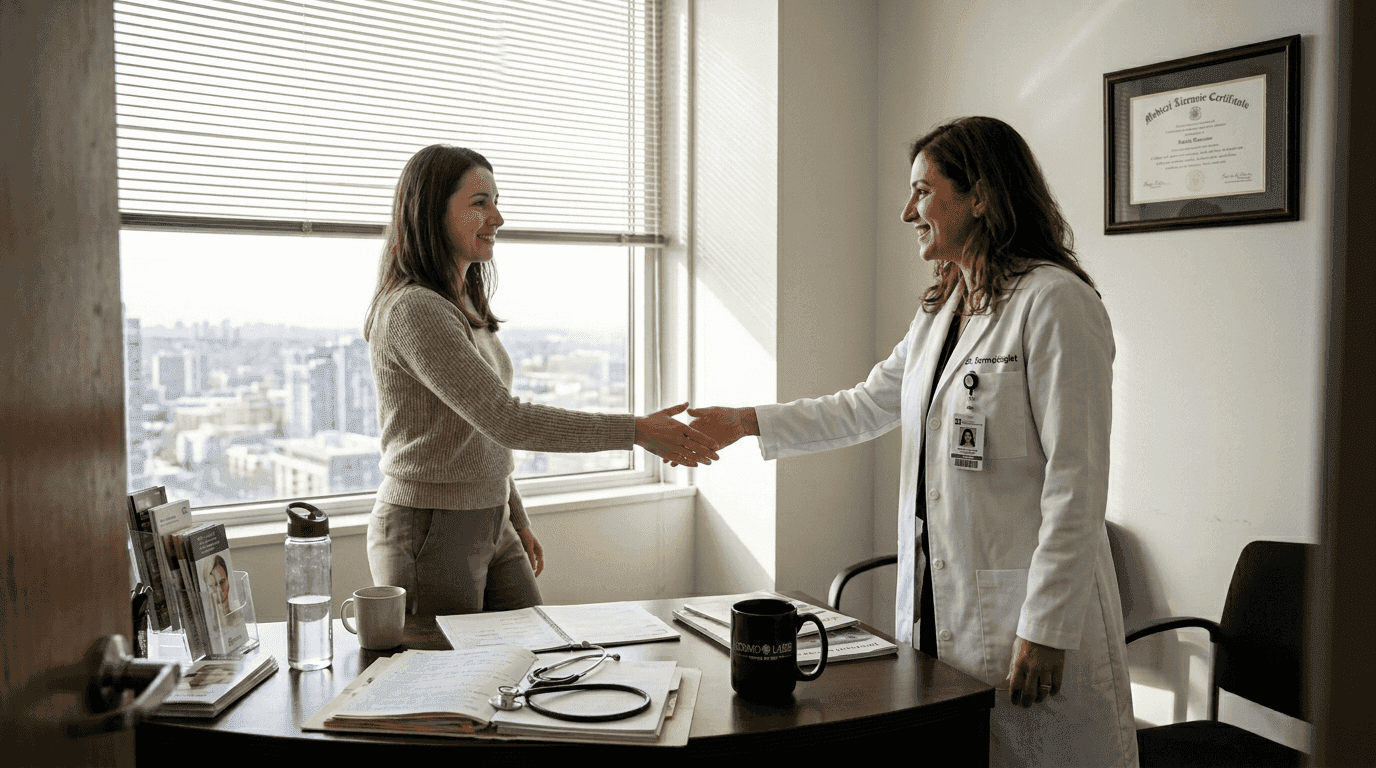
Choosing a cosmetic treatment provider in the UAE requires careful consideration. With the market's rapid growth, unlicensed practitioners pose serious health risks, from infections to permanent scarring. The regulatory landscape can feel overwhelming, but a structured checklist simplifies your decision. This guide walks you through verifying credentials, understanding facility standards, and selecting treatments that prioritize your safety. Whether you're considering laser therapy, injectables, or skin resurfacing, you'll learn how to identify qualified professionals and compliant clinics. By the end, you'll have a clear framework to evaluate providers confidently and avoid costly mistakes.
Table of Contents
- Understand UAE Regulations And Licensing Requirements
- Identify Qualified Practitioners And Training Credentials
- Evaluate Facility Standards And Safety Protocols
- Compare Treatment Options And Check For Patient Management Practices
- Explore Professional Cosmetic Treatments At Cosmolaser In Sharjah
- Frequently Asked Questions About Cosmetic Treatment Safety In UAE
Key takeaways
| Point | Details |
|---|---|
| Licensed clinics ensure safety | Only facilities meeting DHA standards can legally perform cosmetic procedures in the UAE. |
| Practitioner qualifications matter | Verify medical degrees, specialized training, and current licenses through official health authorities. |
| Unlicensed providers risk harm | Illegal cosmetic work can cause infections, scarring, and permanent damage without legal recourse. |
| Facility types differ in standards | Medical spas offer higher safety levels than beauty centers due to stricter licensing requirements. |
| Patient management protects you | Proper consent, infection control, and follow-up protocols reduce complications and ensure accountability. |
Understand UAE regulations and licensing requirements
The UAE enforces strict standards to protect consumers seeking cosmetic treatments. Standards for non-surgical cosmetic procedures are established by the Dubai Health Authority, covering everything from laser treatments to injectable fillers. These rules apply across all emirates, though local authorities may add specific requirements. Clinics must obtain facility licenses, while practitioners need individual permits proving their qualifications and experience.
UAE laws require all medical work to be carried out in licensed facilities by qualified practitioners. Operating without proper authorization carries heavy fines and potential criminal charges. For patients, this means any treatment received at an unlicensed location offers zero legal protection if complications arise. You can't sue for malpractice when the provider was never authorized to perform the procedure.
Facility types vary significantly in their licensing requirements. Medical spas must meet stringent health standards including emergency equipment and trained staff. Wellness spas face moderate requirements focused on hygiene and basic safety protocols. Beauty centers have the lightest regulations, limiting them to non-invasive treatments like facials and basic skincare. Understanding these distinctions helps you match treatment complexity to facility capability.
Licensed clinics undergo regular inspections covering infection control, equipment sterilization, and patient record management. Inspectors verify that treatment rooms maintain proper sanitation, staff follow hygiene protocols, and emergency supplies remain current. Clinics must document every procedure, including patient consent forms, treatment details, and follow-up schedules. This paper trail protects both you and the provider.
Pro Tip: Before booking any treatment, ask to see the clinic's DHA license displayed prominently. Legitimate facilities proudly showcase their credentials. If staff hesitate or claim licenses are "being renewed," walk away immediately.
Exploring cosmetic dermatology tips can help you understand what questions to ask during consultations. The more informed you are about procedures and safety standards, the better equipped you'll be to spot red flags. Review the DHA cosmetic procedure standards directly to familiarize yourself with minimum requirements.
Identify qualified practitioners and training credentials
Verifying your practitioner's qualifications protects you from inexperienced providers. Start by confirming they hold a valid medical degree from a recognized institution. Dermatologists, plastic surgeons, and qualified general practitioners can perform cosmetic procedures, but each requires specific training beyond medical school. Ask to see certificates from accredited aesthetic medicine programs, not just weekend workshops.
DHCC licensed GPs must complete a recognized aesthetic medicine training program and demonstrate experience. This 2026 licensing pathway allows qualified general practitioners to perform certain cosmetic procedures after meeting strict criteria. They must complete supervised training, document minimum case numbers, and pass practical examinations. This ensures even non-specialist doctors have adequate skills before treating patients.
Training credentials should include both theoretical coursework and hands-on experience. Look for practitioners who completed programs at established institutions like the American Academy of Aesthetic Medicine or European Society of Aesthetic Medicine. They should have performed procedures under supervision before practicing independently. Minimum case requirements vary by treatment, with injectables typically requiring 50+ supervised cases.
Unqualified providers cause permanent damage more often than you'd expect. Botched filler injections can block blood vessels, leading to tissue death and scarring. Improperly performed laser treatments burn skin or cause hyperpigmentation that takes years to fade. Chemical peels administered by untrained staff can result in severe chemical burns requiring hospitalization. These aren't rare horror stories but predictable outcomes when unqualified people attempt medical procedures.
Pro Tip: Check practitioner credentials through the DHA or DHCC online portals. Enter their license number to verify current status, specialization, and any disciplinary actions. This takes five minutes and could save you from a disastrous experience.
Understanding the cosmetic dermatology workflow UAE helps you recognize when a practitioner follows proper protocols. Qualified professionals conduct thorough consultations, perform patch tests, and document your medical history before any treatment. Review the DHCC general aesthetic medicine license requirements to understand what training your provider should have completed.
Evaluate facility standards and safety protocols
Your treatment environment matters as much as practitioner qualifications. Licensed clinics maintain sterile treatment rooms with proper ventilation, medical-grade equipment, and emergency supplies. Walk through the facility during your consultation. Treatment areas should smell clean without chemical odors, surfaces should appear spotless, and equipment should look modern and well-maintained.
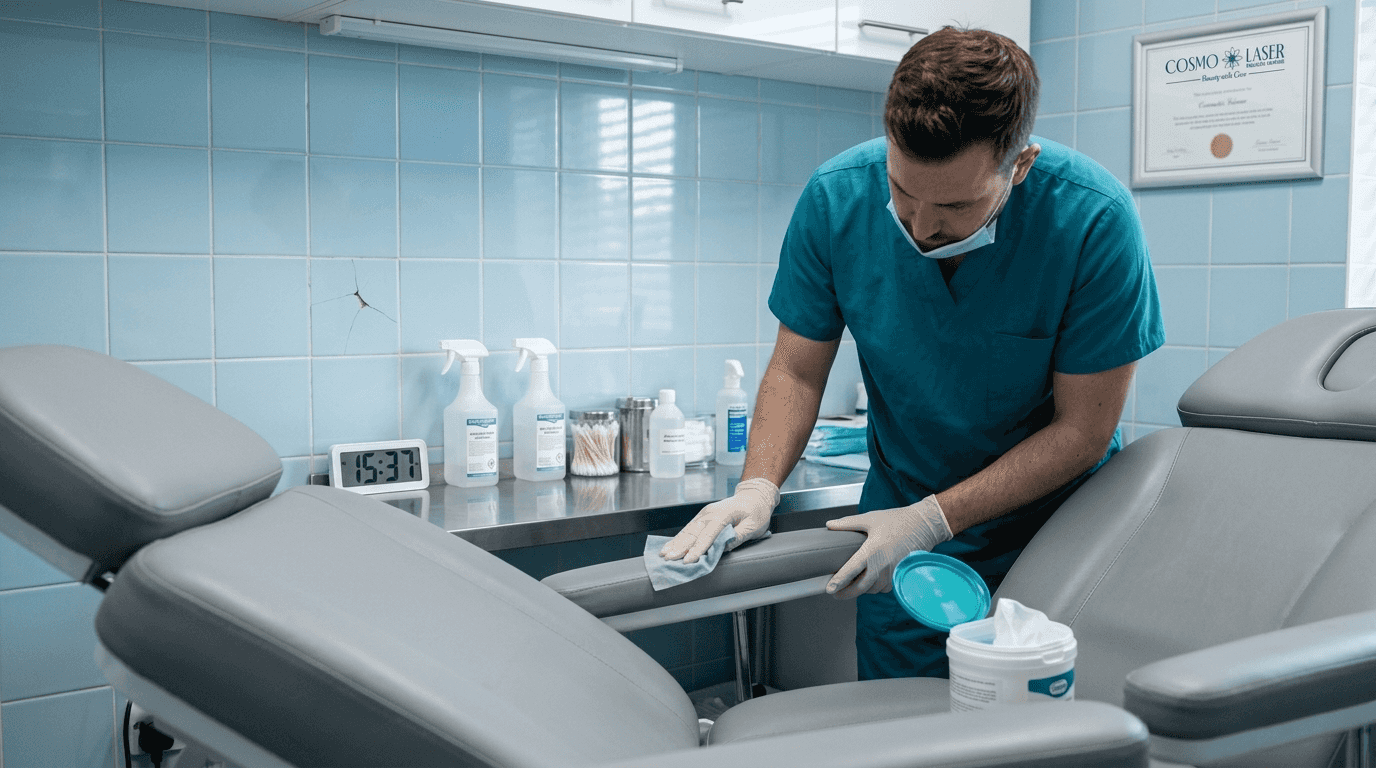
Licensed facilities must follow protocols including infection control, sterile equipment maintenance, patient records, and emergency readiness. Staff should wear clean uniforms, wash hands between patients, and use disposable gloves for every procedure. Reusable instruments must undergo proper sterilization using autoclaves, not just surface cleaning. Single-use items like needles should be opened in front of you from sealed packages.
Facility types differ significantly in safety standards. Medical spas employ licensed medical professionals, maintain emergency equipment like oxygen and epinephrine, and follow hospital-grade sterilization protocols. Wellness spas have moderate standards suitable for low-risk treatments but lack emergency medical capabilities. Beauty centers meet basic hygiene requirements but shouldn't perform invasive procedures.
| Facility Type | Staff Requirements | Emergency Equipment | Suitable Treatments | | --- | --- | --- | | Medical Spa | Licensed medical professionals | Full emergency kit, oxygen, medications | Injectables, laser treatments, chemical peels | | Wellness Spa | Trained aestheticians, medical oversight | Basic first aid | Light facials, microdermabrasion | | Beauty Center | Cosmetologists | Minimal | Facials, basic skincare |
Emergency protocols should be clearly posted and staff should demonstrate familiarity with procedures. Ask what happens if you have an allergic reaction or adverse event. Legitimate clinics have written protocols, trained staff, and direct lines to emergency services. They maintain detailed records of every treatment, including products used, dosages, and your response.
Pro Tip: Request a facility tour before booking. Reputable clinics welcome this transparency. If staff refuse or make excuses, consider it a major red flag regardless of how attractive their prices seem.
Browse chemical peel treatment examples to see what properly equipped facilities look like. Professional treatment rooms have consistent lighting, organized workstations, and visible safety equipment. Understanding illegal cosmetic work risks reinforces why facility standards matter so much.
Compare treatment options and check for patient management practices
The UAE dermatology market is rapidly growing with popular treatments like breast augmentation and liposuction. Non-surgical options dominate in Sharjah and across the UAE, including laser hair removal, Botox, dermal fillers, chemical peels, and microneedling. Each treatment carries different risk levels, recovery requirements, and safety considerations that should guide your facility choice.
Understanding treatment characteristics helps you match procedures to appropriate providers. Minimally invasive treatments like facials and light peels suit wellness spas. Moderate procedures including microneedling and laser treatments require medical spa settings. Highly invasive work like deep chemical peels or surgical procedures demands full medical facilities with licensed physicians.
| Treatment | Invasiveness | Typical Recovery | Safety Considerations | | --- | --- | --- | | Botox/Fillers | Minimal | 1-2 days | Requires licensed injector, sterile technique | | Laser Hair Removal | Minimal | Same day | Proper equipment calibration, skin type assessment | | Chemical Peels | Moderate | 3-7 days | Concentration control, neutralization protocols | | Microneedling | Moderate | 2-4 days | Sterile needles, proper depth control | | PRP Therapy | Moderate | 1-3 days | Blood handling protocols, centrifuge standards |
Patient management includes protocols for infection control, consent, and follow-up essential for safety. Before any procedure, you should receive detailed information about risks, benefits, alternatives, and expected outcomes. Providers must document your informed consent in writing. This isn't just paperwork but legal protection ensuring you understood what you agreed to.
Follow-up care separates professional clinics from careless operators. Reputable providers schedule check-ins after treatments to monitor healing, address concerns, and document results. They provide clear instructions for post-treatment care and emergency contact information. If complications arise, they take responsibility rather than disappearing or blaming you.
Pro Tip: Ask about the clinic's complication rate and how they handle adverse events. Honest providers acknowledge that complications occasionally occur and explain their management protocols. Providers claiming zero complications are either lying or too inexperienced to recognize problems.
Explore dermal fillers treatments to understand what comprehensive patient management looks like. Professional providers conduct thorough consultations, perform patch tests, and create customized treatment plans. Review UAE aesthetic market insights to understand industry trends and popular procedures.
Explore professional cosmetic treatments at Cosmolaser in Sharjah
Now that you understand what to look for, finding a provider that checks every box matters. Cosmolaser Medical Center in Sharjah operates as a fully licensed facility meeting UAE health authority standards. Our team includes qualified practitioners with specialized aesthetic training and years of documented experience. We maintain medical-grade equipment, follow strict sterilization protocols, and keep detailed patient records for every treatment.
Our services span the full range of cosmetic dermatology, from laser hair removal using calibrated equipment to Botox treatments administered by licensed injectors. We offer skin resurfacing treatments including chemical peels and microneedling in controlled medical spa environments. Every procedure begins with a thorough consultation where we assess your goals, explain options, and create a personalized treatment plan. We schedule follow-up appointments to monitor your progress and address any concerns.
Pro Tip: Schedule a consultation to tour our facility, meet our practitioners, and discuss your specific needs. This no-pressure visit lets you verify our credentials, see our treatment rooms, and ask detailed questions about safety protocols before committing to any procedure.
Frequently asked questions about cosmetic treatment safety in UAE
What should I look for to verify a cosmetic clinic is licensed in the UAE?
Check for a current DHA or local health authority license displayed prominently at the facility. You can verify license status online through the DHA or DHCC portals by entering the clinic's license number. Legitimate clinics provide this information readily and welcome verification.
Can unlicensed cosmetic procedures cause permanent harm?
Yes, unlicensed procedures frequently cause permanent damage including scarring, infections, tissue death, and disfigurement. Without proper training, providers misuse equipment, apply incorrect techniques, or fail to recognize complications. You also have no legal recourse since the provider was never authorized to perform the treatment.
How do I check if a practitioner is qualified to perform my treatment?
Request to see their medical degree, specialized aesthetic training certificates, and current UAE medical license. Verify their license number through official health authority portals. Ask about their specific training in the procedure you're considering and how many cases they've performed.
What are the risks of choosing a beauty center vs medical spa?
Beauty centers lack medical equipment, trained medical staff, and emergency protocols necessary for invasive procedures. They're suitable only for basic facials and skincare. Medical spas maintain higher safety standards with licensed medical professionals, emergency equipment, and proper sterilization protocols required for treatments like injectables and laser therapy.
How often do licenses need renewal and what happens if a clinic is non-compliant?
UAE medical licenses require annual renewal with proof of continuing education and clean disciplinary records. Non-compliant clinics face warnings, fines, suspension, or permanent closure depending on violation severity. Patients treated at suspended clinics have limited legal recourse, making upfront verification essential.