
TL;DR:
- UAE's harsh environment accelerates skin aging, requiring proactive, layered skin care and treatments.
- Combining at-home routines with clinical procedures yields the best, long-lasting rejuvenation results.
- Personalized treatment plans considering skin type and concerns are essential for safe, effective skin renewal.
Living in the UAE means your skin works overtime. Between UV index levels that regularly hit 11 or higher, humidity that drops to near zero indoors, and sand-laden air, your skin faces a daily assault that accelerates aging faster than almost anywhere else on earth. The good news is that science has caught up with these challenges. Whether you want to address sunspots, deep dehydration, or early wrinkles, there are evidence-backed options ranging from smart at-home routines to advanced clinical treatments. This guide breaks down exactly what works, what does not, and how to choose the right approach for your skin.
Table of Contents
- How UAE climate stresses your skin: Key rejuvenation criteria
- Home care fundamentals: Building a rejuvenating routine
- In-clinic solutions: Laser, microneedling, and injectables compared
- Choosing the right method for you: Personalization and safety
- Maximize results: Aftercare and ongoing skin health
- The real secret: Why combining treatments is the UAE game-changer
- Ready to rejuvenate? Discover expert solutions in Sharjah
- Frequently asked questions
Key Takeaways
| Point | Details |
|---|---|
| Address UAE-specific skin stress | Understanding sun and dehydration risks is key to great results in the UAE. |
| Combine clinical and daily routines | Pairing in-clinic treatments with at-home care delivers the best, longest-lasting glow. |
| Personalize your approach | Choose treatments based on your skin type, tone, and lifestyle needs for optimal safety and gains. |
| Aftercare locks in results | Smart aftercare and regular checkups maximize the effects of rejuvenation procedures. |
How UAE climate stresses your skin: Key rejuvenation criteria
The UAE sun does not just tan you. It degrades collagen, triggers melanin overproduction, and strips the skin barrier of moisture at a rate that most people underestimate. Premature aging from UV and dehydration is significantly more common among UAE residents than in cooler, more humid climates. That means fine lines, uneven tone, and dullness can appear years earlier than expected.
Pigmentation is a particular concern here. The UAE population is beautifully diverse, with Fitzpatrick skin types ranging from I to VI. Darker tones carry more melanin, which offers some natural UV protection but also makes them more reactive to sun triggers and certain treatments. Melasma, post-inflammatory hyperpigmentation, and sunspots are among the most common complaints we see at the clinic.
When choosing a rejuvenation approach, four criteria matter most:
- Safety for your skin tone: Not every laser or peel is appropriate for all skin types.
- Hydration restoration: Treatments should replenish, not further deplete, the skin barrier.
- Downtime tolerance: The UAE lifestyle often demands minimal recovery time.
- Cumulative benefit: The best results come from treatments that build on each other over time.
"The harsh UV environment and low indoor humidity in the UAE create a perfect storm for accelerated skin aging. Residents need a proactive, multi-layered approach rather than reactive spot treatments."
For a broader overview of cosmetic dermatology tips specific to this region, it helps to understand how different technologies interact with your skin biology. You can also explore how laser technology works to better understand what happens beneath the surface during clinical treatments. Understanding these fundamentals helps you ask better questions and make smarter choices.
Home care fundamentals: Building a rejuvenating routine
Your at-home routine is the foundation everything else builds on. Without it, even the best clinical treatments fade faster. The core daily habits are non-negotiable:
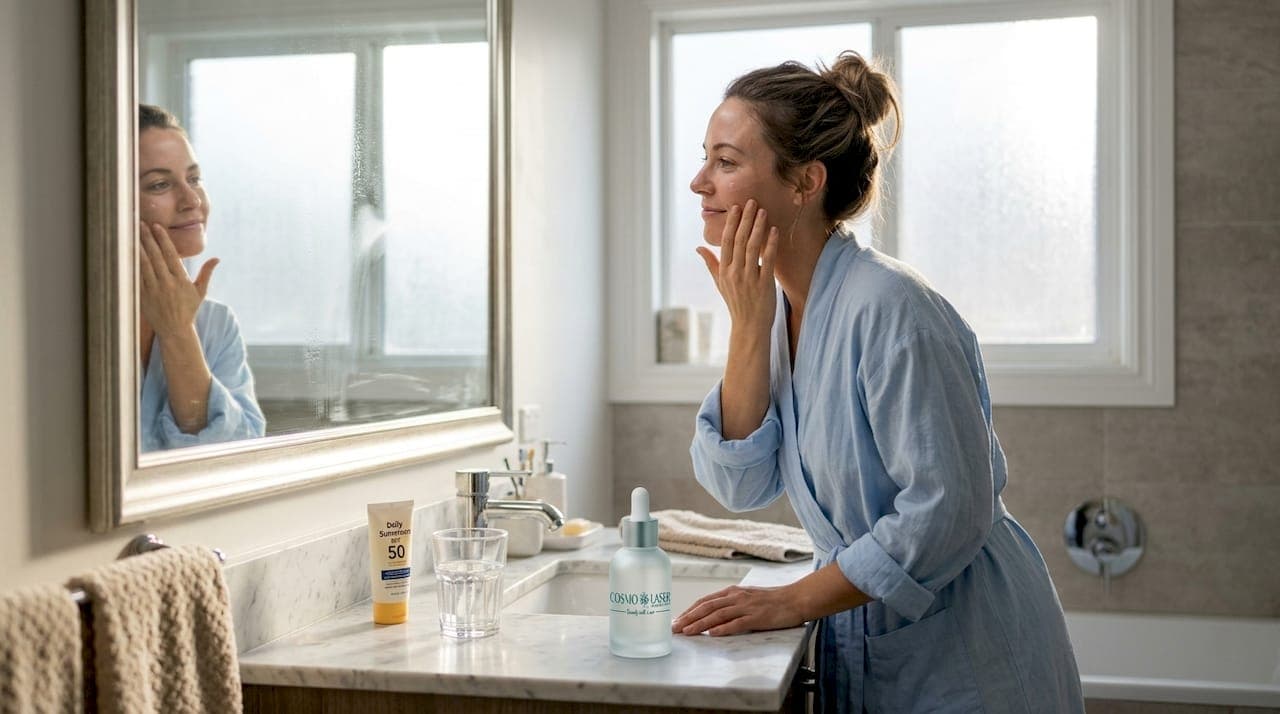
- Broad spectrum SPF 50+: Apply every morning, reapply midday if you go outside. This is the single highest-impact step you can take.
- Hydrating serum with hyaluronic acid: In arid UAE air, your skin loses water fast. A serum with multiple molecular weights of hyaluronic acid draws moisture from deeper layers.
- Antioxidant layer (Vitamin C or niacinamide): These neutralize free radical damage from UV and pollution before it converts to visible aging.
- Gentle exfoliation 2-3 times per week: Removes the buildup of dead cells that makes skin look dull and prevents serums from absorbing properly.
Cleansing matters more than most people realize. A harsh cleanser strips the skin barrier, leaving it reactive and prone to pigmentation. Use a pH-balanced, sulfate-free formula morning and night.
Pro Tip: In the UAE's dry climate, apply your hydrating serum to slightly damp skin immediately after cleansing. This traps ambient moisture and boosts absorption by up to 40% compared to applying on dry skin.
Here is the honest truth though: topicals are not enough for advanced skin rejuvenation once sun damage, deep wrinkles, or textural changes have set in. Creams work at the surface level. They maintain and protect, but they cannot remodel collagen or resurface damaged tissue. That is where clinical treatments become essential. Your post-treatment skin care guide will also be far more effective when your baseline routine is already strong.
In-clinic solutions: Laser, microneedling, and injectables compared
Clinical skin rejuvenation has advanced significantly. The options available today are safer, more precise, and more customizable than ever before. Here is a breakdown of the leading approaches:
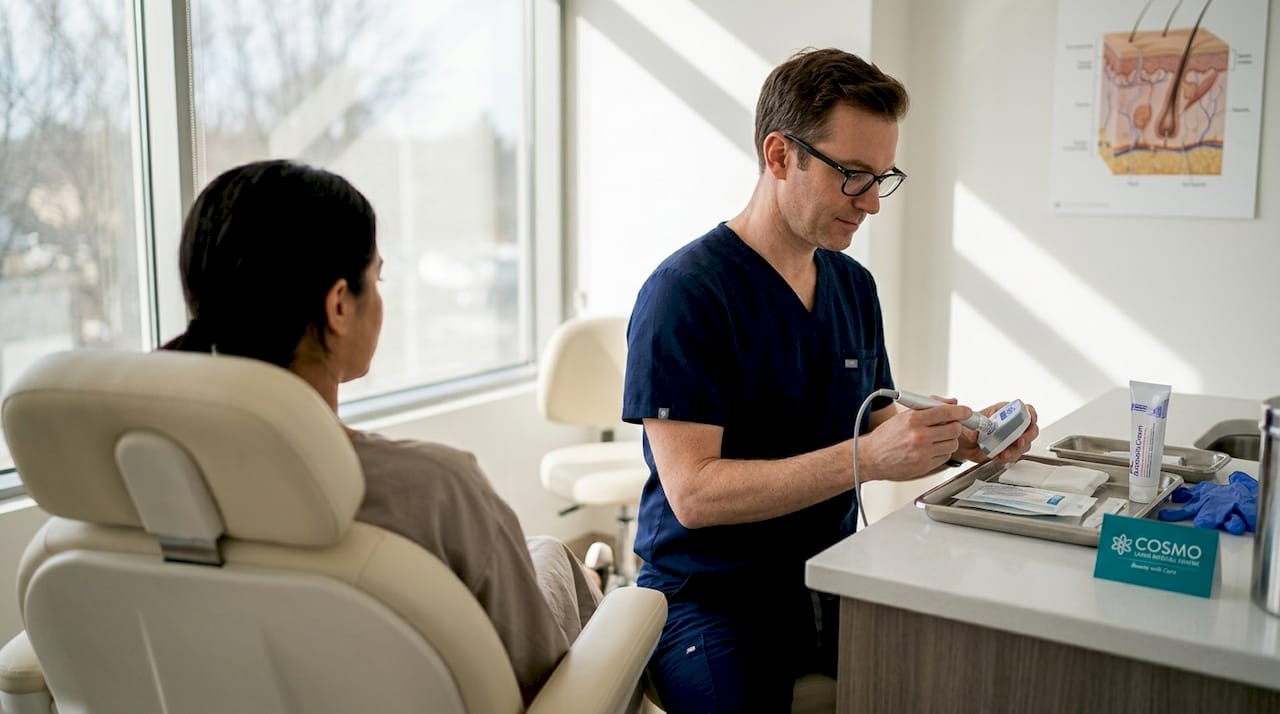
Laser resurfacing uses focused light energy to remove damaged skin layers and stimulate new collagen. CO2 lasers offer the most dramatic results but require 5-7 days of downtime. Er:YAG lasers are gentler with less downtime. Nd:YAG and Fotona systems are particularly well-suited for darker skin tones because they penetrate deeper without targeting surface melanin. Laser resurfacing and RF microneedling both trigger significant collagen production, and combining them with PRP creates a powerful synergy that accelerates healing and amplifies results.
RF microneedling delivers radiofrequency energy through tiny needles directly into the dermis. It is one of the most versatile tools in aesthetic medicine because RF microneedling offers better safety for darker skin tones and is highly effective for acne scars and textural concerns.
Injectables (PRP, mesotherapy, hyaluronic acid boosters) work differently. They deliver active ingredients directly into the skin rather than stimulating damage-repair cycles. A recent study found 72% improvement in self-confidence among patients who received injectable skin boosters, alongside measurable improvements in hydration and radiance.
| Treatment | Sessions needed | Key benefit | Downtime |
|---|---|---|---|
| CO2 laser | 1-3 | Deep resurfacing | 5-7 days |
| RF microneedling | 3-4 | Collagen, scars | 1-2 days |
| Nd:YAG laser | 3-5 | Tone, pigmentation | Minimal |
| PRP/mesotherapy | 3-6 | Hydration, glow | None |
| HA skin boosters | 2-4 | Instant plumping | None |
For best results, most specialists recommend a sequenced approach:
- Start with injectables or mesotherapy to restore baseline hydration.
- Follow with RF microneedling to address texture and early collagen loss.
- Layer in laser resurfacing for deeper pigmentation or wrinkle correction.
- Maintain with PRP top-ups every 6-12 months.
You can read more about this in our laser skin resurfacing guide, or explore a broader overview of top skin treatments in UAE to see how these options stack up. For a deeper look at safety profiles, our safe, effective laser solutions resource covers what to expect from each technology.
Choosing the right method for you: Personalization and safety
No two people in the UAE have the same skin, and that means no single treatment plan works for everyone. The most important factors to consider before booking any procedure are:
- Fitzpatrick skin type: Lighter skin tolerates ablative lasers more easily. Darker skin requires wavelengths that bypass surface melanin.
- Primary concern: Pigmentation, texture, wrinkles, and scars each respond best to different technologies.
- Downtime availability: Some treatments require a week of recovery. Others have zero visible downtime.
- Budget and timeline: Some results require 3-6 months of sequential sessions to fully develop.
Here is a quick reference to guide your thinking:
| Skin type | Recommended approach | Caution |
|---|---|---|
| Fitzpatrick I-III | CO2 laser, Er:YAG, RF microneedling | Monitor for redness |
| Fitzpatrick IV-V | Nd:YAG, RF microneedling, PRP | Avoid ablative CO2 |
| Fitzpatrick VI | RF microneedling, mesotherapy | Avoid all ablative lasers |
Nd:YAG lasers are safer for darker skin, and RF microneedling significantly reduces the risk of post-treatment hyperpigmentation compared to ablative options. Meanwhile, RFMN is preferred for safety in most darker skin scenarios, while ablative lasers deliver longer-lasting results for lighter skin types who can tolerate the recovery.
Pro Tip: If you have Fitzpatrick III-VI skin, always ask your specialist to perform a patch test before any laser or peel treatment. This is non-negotiable in the UAE climate where post-inflammatory hyperpigmentation risk is elevated year-round.
You can learn more about your specific options through our skin resurfacing information page, which outlines the technologies we use and how they are matched to different skin profiles.
Maximize results: Aftercare and ongoing skin health
The treatment is only half the equation. What you do in the days and weeks after a procedure determines how much of that result you actually keep. Aftercare is where most people leave results on the table.
The non-negotiables after any rejuvenation treatment:
- Strict sun avoidance for 2-4 weeks: UV exposure on freshly treated skin causes hyperpigmentation and undoes collagen gains.
- Gentle, fragrance-free products only: Avoid active ingredients like retinol, AHAs, and vitamin C until your skin has fully healed.
- Continuous hydration: Drink 2-3 liters of water daily and use a barrier-repair moisturizer twice a day.
- No heat exposure: Saunas, steam rooms, and intense exercise should be avoided for at least one week post-treatment.
The data backs this up. Skin hydration increased by up to 76% post-laser when patients followed a structured aftercare protocol compared to those who did not. That is not a small difference. It is the difference between a good result and an exceptional one.
Pro Tip: Schedule your follow-up appointment 4-6 weeks after treatment, not just when something feels wrong. Your dermatologist can assess healing, adjust your maintenance plan, and time your next session for maximum cumulative benefit.
For a full breakdown of what to use and avoid after each treatment type, the complete aftercare guide is an essential resource. And when you are ready to plan your next session, our skin rejuvenation procedures page outlines the full range of options available.
The real secret: Why combining treatments is the UAE game-changer
Here is something most articles will not tell you directly: the biggest mistake people make is treating skin rejuvenation as a single-solution problem. They either commit entirely to at-home care or book one clinical treatment and expect a complete transformation. Neither approach delivers optimal results.
The evidence is clear. Combining lasers with PRP and microneedling produces faster healing, stronger collagen remodeling, and more durable outcomes than any single modality alone. This is especially true in the UAE, where environmental stressors are constant and skin needs to be addressed at multiple levels simultaneously.
From our clinical experience, the patients who see the most dramatic, lasting improvements are those who commit to a personalized layered protocol. That means combining the right technologies in the right sequence, supported by a strong home routine and consistent follow-up. Explore combination treatment options to see how these protocols are structured in practice. The UAE environment demands a smarter, more strategic approach than a single treatment can provide.
Ready to rejuvenate? Discover expert solutions in Sharjah
Your skin deserves a plan built specifically for you, not a generic protocol designed for a different climate and a different skin type. At CosmoLaser Medical Center in Sharjah, our specialists assess your unique skin profile and design personalized treatment sequences that deliver real, measurable results.
Whether you are exploring skin rejuvenation services for the first time or looking to upgrade your current routine with professional skin resurfacing, we have the technology and expertise to match your goals. We also offer face fillers and injectable boosters for instant hydration and volume restoration. Book a consultation today and take the first step toward skin that looks and feels its best in the UAE climate.
Frequently asked questions
Which skin rejuvenation method is safest for darker skin tones in the UAE?
RF microneedling and Nd:YAG lasers are the safest options for Fitzpatrick IV-VI skin types because they minimize the risk of post-treatment hyperpigmentation compared to ablative lasers.
How long do laser treatments last compared to microneedling?
Laser results typically last 2-5 years, while microneedling effects generally last up to one year, making lasers the better long-term investment for deep resurfacing concerns.
Are topical creams enough for reversing sun damage?
Topical creams are valuable for maintenance and prevention, but they cannot replace professional procedures when it comes to reversing established sun damage, deep wrinkles, or significant textural changes.
Can I combine different treatments for better results?
Absolutely. Combining procedures like lasers and PRP creates a synergistic effect that leads to faster healing and more noticeable improvements than using either treatment alone.