
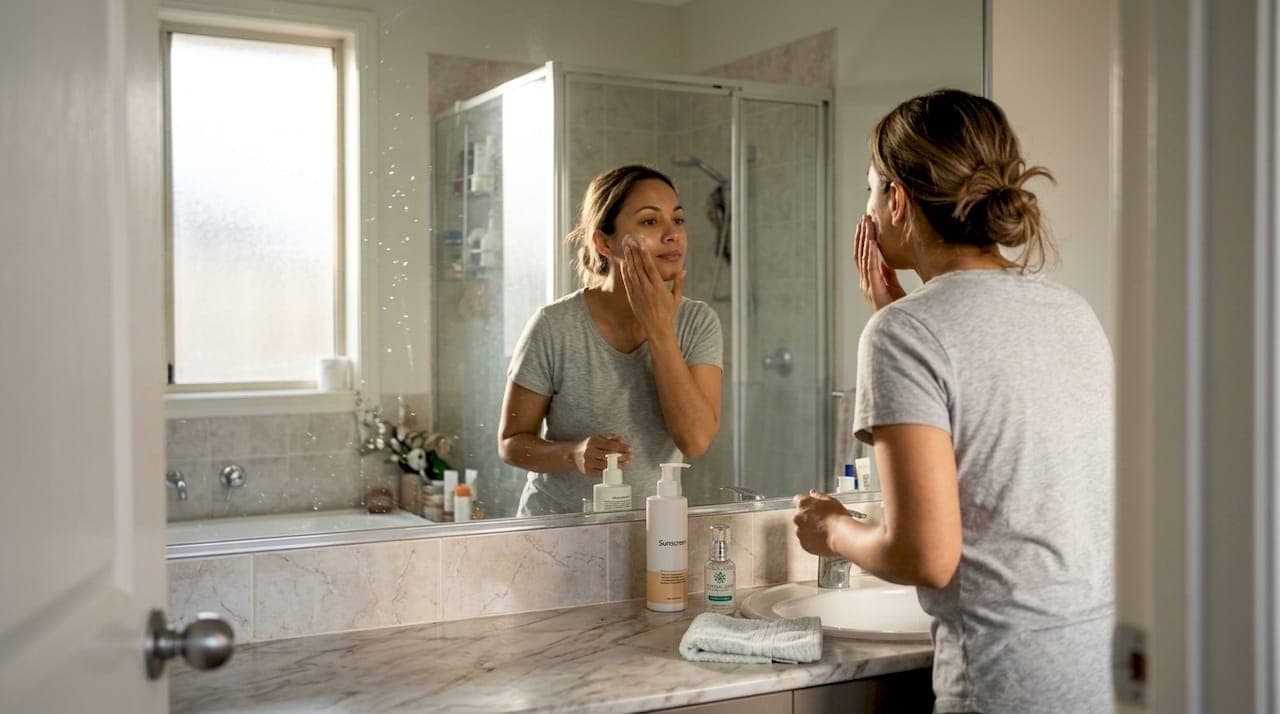
TL;DR:
- UAE’s harsh environment requires tailored skincare focusing on UV protection, hydration, and pigmentation control.
- Professional treatments like PicoSure or Nd:YAG lasers are safe and effective when performed in licensed clinics.
- Consistent, region-specific routines and lifestyle habits are essential for long-term skin health in the Middle East.
Living in the UAE means your skin faces a daily battle. Intense UV radiation, humidity that swings between extremes, sandstorms, and heavily air-conditioned interiors create a uniquely demanding environment. Add the flood of skincare trends, unregulated products, and conflicting advice online, and it is easy to feel overwhelmed. Whether you are dealing with stubborn pigmentation, breakouts, or just want to maintain a healthy glow, the right approach matters. This guide cuts through the noise with evidence-based, regionally grounded advice on daily care, clinical treatments, lifestyle habits, and the mistakes that quietly sabotage your results.
Table of Contents
- How to evaluate skin health needs in the UAE
- Daily skincare essentials and hero ingredients
- In-clinic treatments: What works and who needs them
- Lifestyle upgrades that boost skin health
- Common mistakes and myths: What to avoid
- What most skin health advice misses — insights from UAE experts
- Expert help is just a consultation away
- Frequently asked questions
Key Takeaways
| Point | Details |
|---|---|
| Tailor skincare to UAE climate | Your routine and treatments should reflect intense sun, heat, and urban factors for best results. |
| Choose proven ingredients | Focus on sunscreen, hydrators, and pigment modulators shown to work for local skin types. |
| Trust DHA-licensed clinics | Professional treatments must be performed in regulated clinics to ensure safety and optimal outcomes. |
| Lifestyle makes a difference | Hydration, diet, and sun protection are as critical as the products and procedures you choose. |
| Beware of myths and shortcuts | Gradual changes, medical guidance, and evidence-based routines beat DIY or trendy solutions every time. |
How to evaluate skin health needs in the UAE
Before you invest in any product or treatment, understanding your skin's actual needs in this climate is essential. The UAE's environment is unlike almost anywhere else. Year-round UV intensity, fluctuating humidity, desert dust, and indoor air conditioning all stress the skin barrier, accelerate moisture loss, and trigger inflammation.
The most common skin concerns among UAE residents include:
- Post-inflammatory hyperpigmentation (PIH): Dark spots left after acne, injury, or irritation, especially common in Fitzpatrick skin types III to VI
- Active acne and clogged pores: Triggered by heat, sweat, and occlusive products
- Dehydration: Despite oily skin, many residents have a compromised moisture barrier
- Premature aging: Caused by chronic UV exposure and environmental stress
- Sensitivity and redness: Often worsened by harsh products or DIY treatments
Post-inflammatory hyperpigmentation and scarring are among the leading skin concerns in the MENA region, particularly in individuals with oily or darker skin types. This is not a minor cosmetic issue. Left unaddressed, PIH can take months or years to fade without professional intervention.
Signs that you need professional help include persistent dark spots, ice-pick or rolling scars, recurring cystic acne, or skin that reacts negatively to most products. Annual consultations with a licensed dermatologist are the smartest preventive step you can take. When introducing new active ingredients, always patch test on the inner arm for 48 hours before applying to your face.
Pro Tip: When booking any in-clinic treatment, confirm the facility holds a DHA license for non-surgical cosmetic procedures. This is not optional. It is your guarantee of regulated safety standards and qualified practitioners. Use the guidance at selecting a cosmetic clinic to ask the right questions before committing. You can also explore how professional dermatology clinics operate to set realistic expectations.
Daily skincare essentials and hero ingredients
Once you know what your skin is dealing with, the next step is building a daily routine that actually works in this climate. A solid regimen does not need to be complicated. It needs to be consistent and ingredient-smart.
The core daily sequence is: cleanse, treat, hydrate, and protect. Every step matters, and skipping SPF is never an option in the UAE.
Here are the hero ingredients worth including in your routine:
- Tinted SPF 50+: Protects against UV and provides a physical barrier; tinted versions also help with visible light, which can worsen melasma
- Hyaluronic acid (HA): Draws moisture into the skin, but needs to be sealed in with an occlusive
- Niacinamide: Reduces pigmentation, controls oil, and strengthens the skin barrier
- Ceramides: Repair and maintain the moisture barrier, especially important in air-conditioned environments
- Peptides: Support collagen production and improve skin firmness over time
- Vitamin C: Brightens, protects against oxidative stress, and fades dark spots
- Tranexamic acid and arbutin: Gentle but effective pigment modulators suited for darker skin tones
Regional consensus supports sunscreen, hydrators, pigment modulators, and selective retinoids as the foundation of effective skincare for UAE residents. Retinoids are powerful, but they require caution. Avoid starting them immediately after a procedure, during pregnancy, or while breastfeeding, and always layer sunscreen on top.
For oily or acne-prone skin, opt for gel or water-based formulas in summer. In cooler months, cream-based moisturizers provide better barrier support. Explore types of safe skin care treatments to understand how topical choices connect to clinical options.
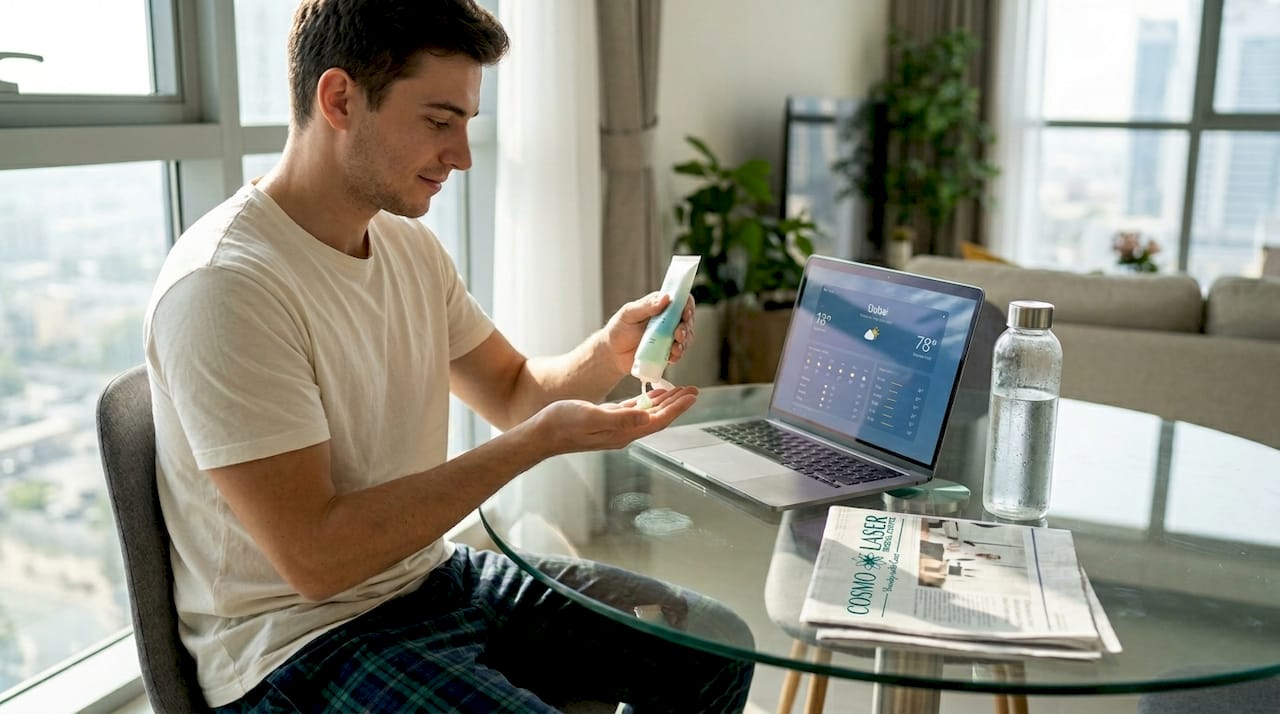
Pro Tip: Hyaluronic acid applied to dry skin in a low-humidity environment can actually pull moisture out of deeper skin layers. Always apply it to damp skin and follow immediately with a moisturizer or occlusive to lock it in.
In-clinic treatments: What works and who needs them
Daily skincare maintains your skin, but clinical treatments can transform it. The UAE has access to some of the most advanced aesthetic technologies available, and knowing which treatment fits your concern saves time, money, and potential complications.
| Treatment | Best for | Sessions needed | Downtime | Results timeline |
|---|---|---|---|---|
| HydraFacial | Hydration, mild pigmentation, maintenance | Monthly | None | Immediate |
| CO2 fractional laser | Scars, deep wrinkles, resurfacing | 1 to 3 | 5 to 7 days | 4 to 6 weeks |
| PicoSure laser | Pigmentation, tattoo removal | 3 to 6 | Minimal | 4 to 8 weeks |
| Nd:YAG laser | Darker skin tones, vascular lesions, hair removal | 4 to 8 | Minimal | Gradual |
| Chemical peel | Acne, dullness, mild pigmentation | 3 to 6 | 1 to 5 days | 2 to 4 weeks |
| RF microneedling | Laxity, pores, scars | 3 to 4 | 1 to 2 days | 3 to 6 months |
| PRP therapy | Hair loss, skin rejuvenation | 3 to 4 | None | 3 to 6 months |
| Mesotherapy | Hydration, glow, hair health | 4 to 6 | None | 4 to 6 weeks |
For pigmentation and melasma, a combination of PicoSure or Q-switched Nd:YAG with topical pigment modulators delivers the best results. For acne scarring, RF microneedling or CO2 fractional laser works well. Choosing the right laser for your skin tone is critical:
- Darker skin tones (Fitzpatrick IV to VI): Nd:YAG and PicoSure are safer options with lower risk of post-treatment PIH
- Lighter skin tones: Broader laser options are available, including ablative CO2
- Sensitive or reactive skin: Start with gentler options like HydraFacial or light peels before progressing
"All non-surgical cosmetic procedures must be performed in DHA-licensed clinics under appropriate medical supervision to ensure patient safety and consistent outcomes."
Before booking, review guidance on safely scheduling treatments and use a cosmetic treatment checklist to prepare properly.
Lifestyle upgrades that boost skin health
No cream or laser can fully compensate for habits that undermine your skin daily. Lifestyle choices are not a footnote to skin health. They are a foundation.
Here are the most impactful changes you can make:
- Drink enough water: Aim for at least 2.5 to 3 liters per day in the UAE heat. Dehydration shows on the skin faster here than in cooler climates.
- Switch to silk or satin pillowcases: Cotton creates friction and absorbs product, accelerating fine lines and disrupting your barrier overnight.
- Use non-comedogenic hair products: Haircare ingredients that drip onto the forehead and neck are a surprisingly common cause of breakouts along the hairline.
- Eat an anti-inflammatory diet: Reduce refined sugar, dairy if you are acne-prone, and increase omega-3 rich foods, leafy greens, and antioxidants.
- Protect against pollution: Use an antioxidant serum in the morning to neutralize free radicals from dust and urban pollution before applying SPF.
- Never treat infected or sunburned skin: Applying actives or booking procedures on compromised skin dramatically increases the risk of scarring and PIH.
Hydration, non-comedogenic products, diet, and pollution awareness are critical for long-term skin health in the Middle East, especially given the region's unique environmental pressures. These habits also help you get better and faster results from clinical treatments by keeping your skin barrier strong and receptive.
Seasonal adaptation matters too. In summer, switch to lighter gel textures and focus on oil control. In winter, layer richer creams and barrier-repair products to combat dryness from indoor heating.
Pro Tip: Schedule laser treatments, peels, and resurfacing procedures between October and March when sun exposure is lower. Booking these during peak summer increases your risk of PIH and prolongs recovery. Check ensuring safe treatments for seasonal timing guidance.
Common mistakes and myths: What to avoid
Even well-intentioned skincare routines can go wrong. Here are the myths and mistakes that most frequently set UAE residents back.
Myths worth debunking:
- "More products means better results." Layering too many actives at once, especially retinoids, AHAs, BHAs, and vitamin C together, causes irritation and barrier damage.
- "Natural or botanical ingredients are always safer." Many plant extracts are potent allergens or photosensitizers, particularly risky in a high-UV environment.
- "Lasers permanently damage skin." Modern, well-calibrated lasers performed by trained professionals in regulated settings are safe and effective.
- "Darker skin cannot tolerate lasers." The right laser, matched to your Fitzpatrick type, is both safe and highly effective.
Common mistakes to stop making:
- Skipping SPF on cloudy days or indoors
- Introducing multiple new actives in the same week
- Booking treatments at unlicensed salons or home-based providers to save money
- Following skincare trends designed for different climates or skin types without adapting them
"Gradual introduction of actives, caution with DIY treatments, and avoiding unlicensed providers are crucial safety steps that protect against long-term skin damage."
The risks of going to non-DHA-licensed providers extend beyond poor results. Improper laser settings, unsterile equipment, and unqualified practitioners can cause burns, scarring, and infections. Always choose a licensed clinic for any procedure beyond basic facials.
What most skin health advice misses — insights from UAE experts
Here is something most skincare guides will not tell you: the majority of routines and treatment protocols shared online are designed for temperate climates and lighter skin tones. When UAE residents follow imported advice without adaptation, results are often disappointing, and sometimes harmful.
The local environment changes everything. A vitamin C serum that works beautifully in London may oxidize within weeks in Dubai's heat. A peel that is gentle in a mild climate can trigger severe PIH on a Fitzpatrick V skin type in Sharjah's summer. These are not edge cases. They are everyday realities.
What actually works is a thorough skin assessment by a practitioner who understands the regional context, followed by a protocol built around your specific skin type, concerns, and lifestyle. Influencer recommendations and viral routines are not substitutes for that. Explore safe cosmetic treatments overview to understand what a properly structured treatment plan looks like. There is no one-size-fits-all in aesthetics, and local expertise is genuinely irreplaceable.
Expert help is just a consultation away
You now have a solid, evidence-based framework for understanding your skin, building a smarter routine, and knowing when to step up to clinical care. The next move is putting it into action with the right support.
At CosmoLaser Medical Center in Sharjah, our team of licensed specialists offers personalized consultations that map your skin's needs to proven solutions. From skin resurfacing and laser pigmentation treatments to HydraFacials and PRP therapy, every service follows a cosmetic dermatology workflow built on DHA-compliant safety protocols. We do not offer generic plans. We build regimens around your skin, your lifestyle, and your goals. Book a consultation today and take the guesswork out of your skin health journey.
Frequently asked questions
What are the best treatments for pigmentation and melasma in the UAE?
PicoSure and Q-switched Nd:YAG lasers are highly effective options, often paired with topical pigment modulators like tranexamic acid or vitamin C, and must be performed in DHA-licensed clinics for safe, consistent results.
Can I use retinoids year-round in the UAE?
Retinoid use requires caution and should be avoided post-procedure, during pregnancy, or while breastfeeding, and always paired with a high-SPF sunscreen given the UAE's intense UV environment.
How often should I get a professional skin check-up?
Seeing a dermatologist or licensed practitioner at least once a year helps catch early signs of pigmentation or scarring and keeps your regimen optimally tailored to your skin's changing needs.
Are at-home chemical peels or DIY treatments safe?
At-home peels carry significant risk for sensitive or darker skin types, as DIY and unsupervised treatments substantially increase the chance of post-inflammatory hyperpigmentation and barrier damage.
Is sunscreen really necessary indoors in the UAE?
Yes. UVA rays penetrate glass, and daily tinted sunscreen use is strongly recommended even indoors to prevent pigmentation, premature aging, and barrier compromise in high-UV regions like the UAE.
Recommended
- Cosmetic dermatology tips for flawless skin UAE 2026
- Top skin treatments in the UAE: 5 proven options
- Your 2026 cosmetic treatment checklist for safe skin care in UAE
- Laser skin treatments UAE: safe, effective solutions
- Skin health explained: simple science for better results – SMPL SKIN South Africa
- Essential natural skincare routine tips for healthy skin – ZenChemy Lab