
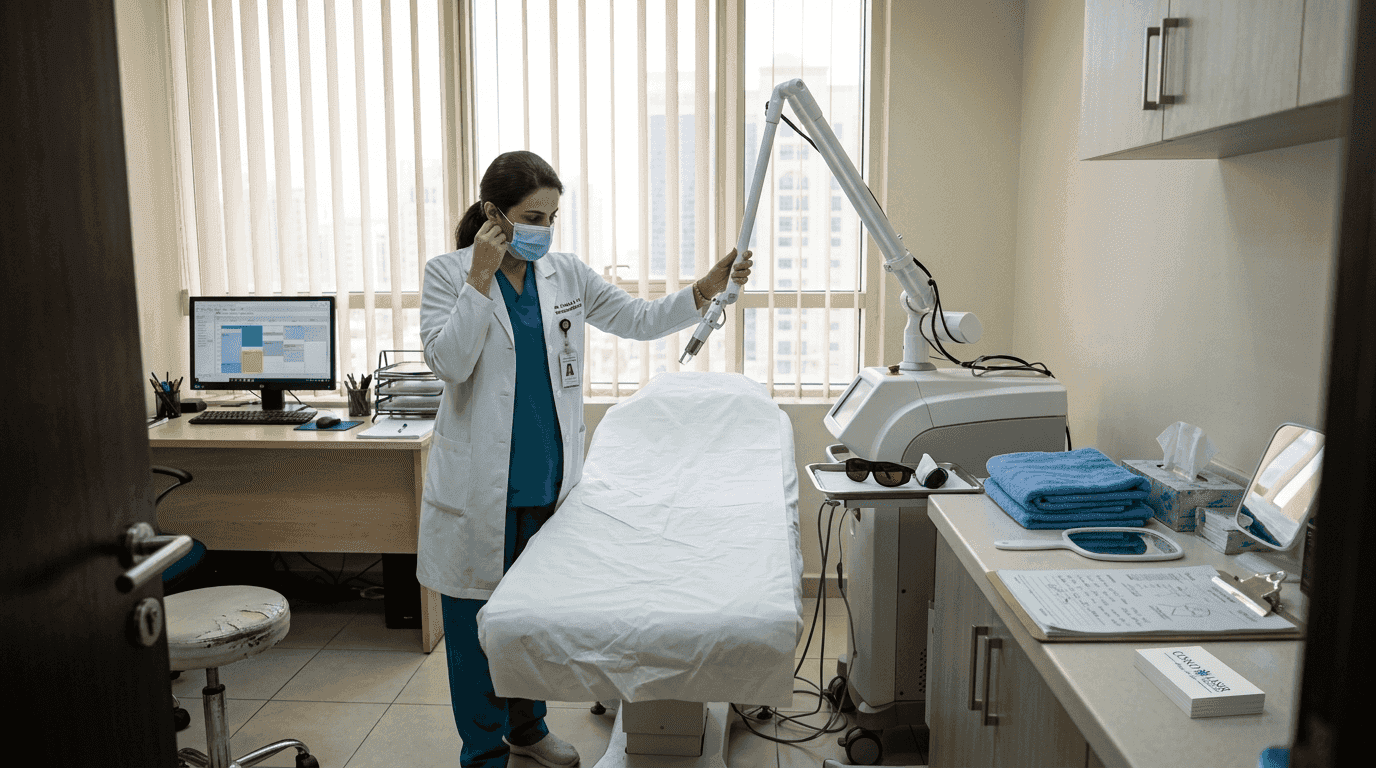
Laser skin resurfacing is transforming how people in the UAE achieve radiant, youthful skin. This advanced cosmetic procedure uses focused light energy to remove damaged outer layers while stimulating collagen production by up to 50%, delivering dramatic improvements in texture, tone, and firmness. Whether you're dealing with acne scars, wrinkles, or uneven pigmentation, understanding how laser resurfacing works, which types suit your needs, and what recovery involves empowers you to make confident decisions. This guide covers the science, laser options, safety considerations, and practical steps for successful treatment in the UAE.
Table of Contents
- How Laser Skin Resurfacing Works: The Science Behind The Glow
- Types Of Lasers Used In Skin Resurfacing And What To Expect
- Benefits And Risks: What Laser Resurfacing Can (And Can't) Do
- Preparing For And Recovering From Your Laser Skin Resurfacing Treatment In The UAE
- Explore Expert Laser Skin Resurfacing Services In Sharjah
- Frequently Asked Questions
Key takeaways
| Point | Details |
|---|---|
| Precision rejuvenation | Lasers remove damaged skin layers precisely while triggering new collagen for smoother, firmer texture. |
| Two main approaches | Ablative lasers offer intensive results with longer recovery, while non-ablative options provide gentler treatment requiring multiple sessions. |
| Proven effectiveness | Studies show 40-70% improvement in scars and wrinkles, but proper care and sun protection are essential. |
| Not a surgical replacement | Laser resurfacing treats surface and moderate-depth issues but cannot substitute facelifts or eyelid surgeries. |
| UAE-specific considerations | Hot climate demands rigorous post-treatment sun protection to prevent complications and optimize outcomes. |
How laser skin resurfacing works: the science behind the glow
Laser skin resurfacing utilizes focused light energy to remove damaged outer skin layers, stimulating collagen production for skin rejuvenation. The procedure targets the epidermis and dermis with controlled thermal energy. Lasers vaporize the outermost damaged cells with exceptional precision, eliminating sun damage, age spots, and irregular texture. Heat penetrates deeper dermal layers, triggering your body's natural healing response.
This thermal stimulation activates fibroblast cells responsible for producing collagen and elastin fibers. Collagen production can increase up to 50% following treatment, creating firmer, more elastic skin over several months. New collagen fills in wrinkles, smooths scars, and restores youthful plumpness. The procedure also addresses pigmentation irregularities by removing melanin-laden damaged layers, revealing fresher, more evenly toned skin beneath.
Common laser technologies include:
- CO2 lasers for deep wrinkles and significant scarring
- Erbium lasers for moderate damage with faster healing
- Fractional lasers creating microscopic treatment zones for balanced results and recovery
Pro Tip: Pre-treatment preparation and post-procedure sun protection are non-negotiable. UAE's intense sunlight can trigger hyperpigmentation if you skip sunscreen after resurfacing.
"The key to successful laser resurfacing lies in matching laser type to your specific skin concerns and following meticulous aftercare protocols."
Successful outcomes depend on proper patient selection, expert technique, and commitment to recovery protocols. Understanding these mechanisms helps you set realistic expectations and recognize why multiple sessions may be necessary for optimal results.
Types of lasers used in skin resurfacing and what to expect
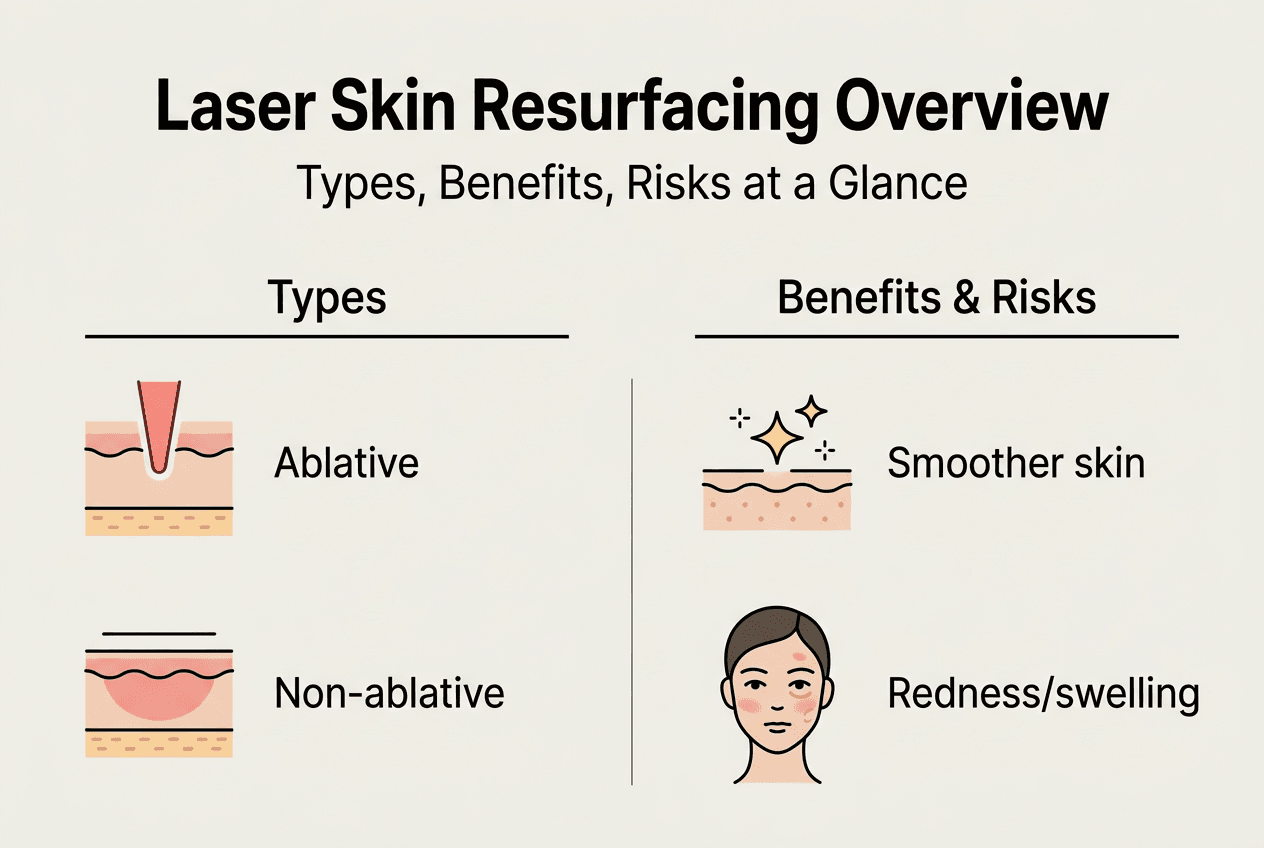
Different laser types target varying skin depths and conditions, influencing downtime and results. Ablative lasers remove the entire epidermis and portions of the dermis, delivering dramatic improvements for deep wrinkles, severe sun damage, and pronounced scars. CO2 and erbium ablative lasers vaporize tissue layers, creating controlled wounds that heal with fresh, rejuvenated skin. These intensive treatments require 1-3 weeks recovery as your skin peels, reddens, and gradually regenerates.
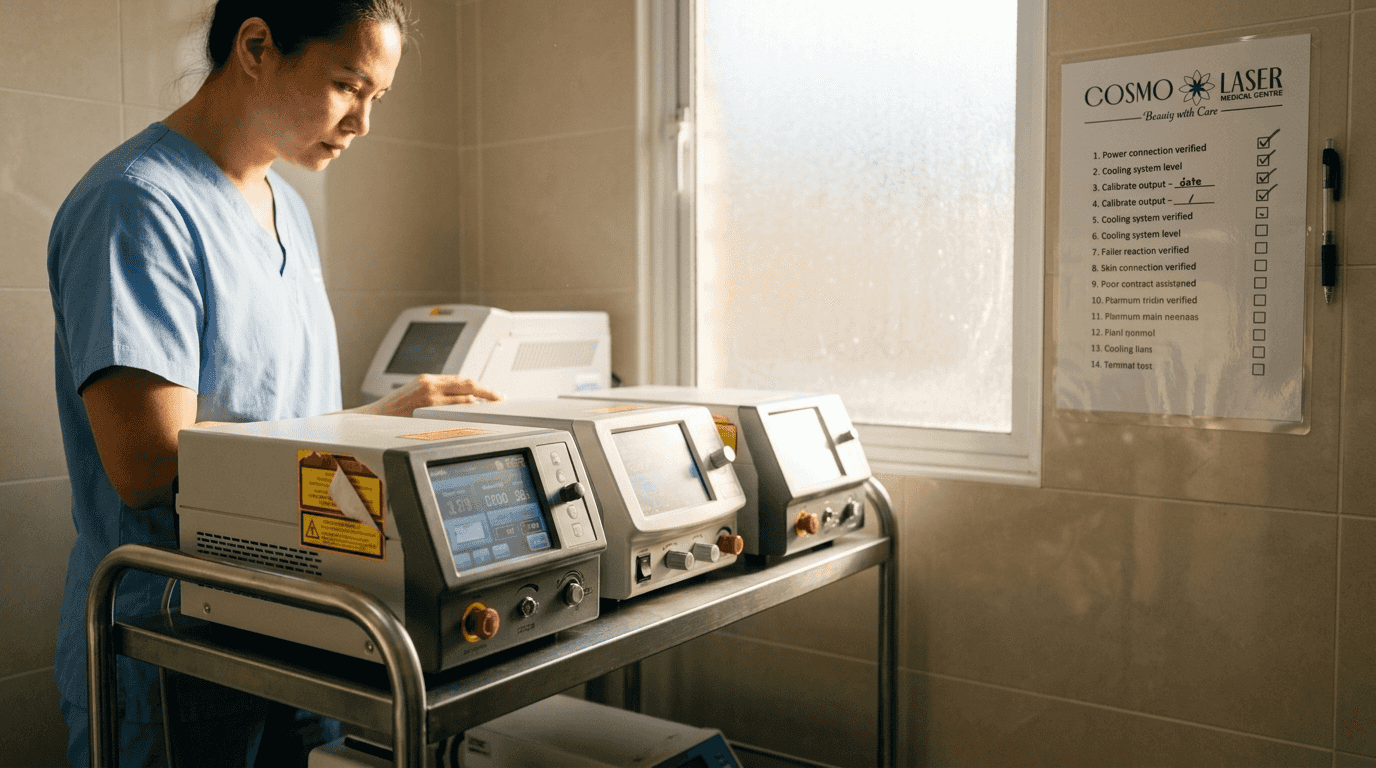
Non-ablative lasers heat dermal tissue without destroying the surface, making them safer with minimal downtime. These gentler options stimulate collagen production through controlled thermal injury while preserving the epidermis. Recovery typically takes only a few days, with mild redness and swelling. However, non-ablative treatments deliver less dramatic results per session, often requiring 3-6 treatments spaced weeks apart for comparable outcomes to single ablative procedures.
Fractional lasers represent an innovative middle ground. They create thousands of microscopic treatment columns surrounded by healthy tissue, accelerating healing while delivering significant results. Fractional CO2 lasers combine ablative effectiveness with improved safety profiles and shorter recovery periods.
| Laser Type | Depth | Recovery Time | Best For | Sessions Needed |
|---|---|---|---|---|
| Ablative CO2 | Deep | 2-3 weeks | Severe wrinkles, deep scars | 1-2 |
| Ablative Erbium | Moderate-deep | 1-2 weeks | Moderate damage, faster healing | 1-2 |
| Non-ablative | Superficial | 3-5 days | Mild concerns, minimal downtime | 4-6 |
| Fractional | Variable | 5-10 days | Balanced results and recovery | 2-4 |
Choosing the right laser depends on several factors. Severity of skin concerns guides intensity selection. Deeper wrinkles and scars benefit from ablative approaches, while mild texture issues respond well to non-ablative treatments. Your skin type and ethnicity matter significantly. Darker skin tones carry higher risk of post-inflammatory hyperpigmentation with aggressive ablative lasers, requiring specialized fractional or non-ablative protocols.
Pro Tip: Schedule skin resurfacing procedures during cooler months when you can minimize sun exposure during recovery. UAE summers make post-treatment protection more challenging.
Downtime tolerance also influences choice. If you cannot afford extended recovery, non-ablative or fractional options provide meaningful improvements without prolonged healing. Budget considerations play a role since multiple non-ablative sessions may ultimately cost more than single ablative treatment.
Benefits and risks: what laser resurfacing can (and can't) do
Clinical studies demonstrate 40-70% improvement in scar appearance after laser resurfacing, depending on scar type and treatment protocol. Collagen remodeling smooths depressed scars, reduces redness, and improves overall texture. The procedure effectively addresses multiple skin concerns simultaneously. Wrinkle reduction occurs as new collagen fills fine lines and deeper creases. Pigmentation evening removes age spots, sun damage, and melasma through controlled epidermis removal. Skin tightening results from collagen contraction and new fiber formation, creating firmer, more youthful contours.
Additional benefits include:
- Removal of precancerous lesions and benign growths
- Improved skin texture and pore size reduction
- Enhanced absorption of skincare products post-treatment
- Long-lasting results with proper maintenance
However, laser resurfacing carries real risks requiring informed consent and expert management. Redness and swelling are universal immediate effects, typically resolving within days to weeks depending on treatment intensity. Pigmentation changes represent the most common complication, particularly in darker skin types. Hyperpigmentation occurs when melanocytes overproduce pigment during healing, while hypopigmentation results from melanocyte destruction. Infection risk exists whenever skin barriers are compromised, necessitating strict hygiene and sometimes prophylactic antibiotics.
| Potential Complication | Risk Level | Prevention Strategy |
|---|---|---|
| Temporary redness | Very high | Expected, resolves naturally |
| Hyperpigmentation | Moderate-high | Strict sun protection, appropriate laser selection |
| Infection | Low-moderate | Proper wound care, hygiene protocols |
| Scarring | Low | Expert technique, following aftercare |
| Prolonged healing | Low | Patient selection, realistic expectations |
Fractional CO2 lasers improve safety profiles by leaving healthy tissue between treatment zones, but complications remain possible. Scarring can occur from excessive heat, infection, or poor healing, though skilled practitioners minimize this risk through proper technique and conservative settings.
"Understanding that laser resurfacing treats surface and moderate-depth skin issues, not underlying structural aging, prevents disappointment and guides appropriate treatment selection."
Critical limitations deserve emphasis. Laser resurfacing cannot replace surgical facelifts for addressing loose skin, deep jowls, or significant facial sagging. It won't substitute for blepharoplasty in correcting drooping eyelids or removing excess eyelid skin. The procedure excels at improving skin quality, texture, and tone but cannot reposition or remove substantial tissue. Combining laser treatments with wrinkle treatments like Botox or dermal fillers often delivers more comprehensive rejuvenation than either approach alone.
Proper patient selection and observing contraindications significantly reduce complication risk. Active infections, isotretinoin use within six months, unrealistic expectations, and certain autoimmune conditions may disqualify candidates. Thorough consultation with experienced dermatologists ensures you understand both potential and limitations.
Preparing for and recovering from your laser skin resurfacing treatment in the UAE
Expert dermatologists emphasize pre- and post-treatment care, including sun protection, to optimize results and minimize complications. Your journey begins with comprehensive consultation at certified dermatology centers. Specialists assess your skin type using the Fitzpatrick scale, evaluate specific concerns, review medical history, and discuss realistic expectations. This evaluation determines appropriate laser type, treatment intensity, and customized protocols for your unique needs.
Pre-treatment preparation typically spans 2-4 weeks. Avoid direct sun exposure and tanning beds completely during this period. Discontinue certain medications and supplements that increase bleeding or photosensitivity, including aspirin, ibuprofen, vitamin E, and some herbal supplements. Your dermatologist may prescribe pre-treatment skincare regimens with retinoids or hydroquinone to prepare skin and reduce complication risks. Some patients require antiviral medication if they have history of cold sores, as laser treatment can trigger outbreaks.
Post-treatment recovery follows predictable phases requiring diligent care:
- Immediate phase (Days 1-3): Expect significant redness, swelling, and oozing similar to severe sunburn. Keep skin moist with prescribed ointments, avoid picking or scratching, and use cold compresses for comfort.
- Peeling phase (Days 4-7): Skin begins flaking and peeling as damaged layers shed. Continue gentle cleansing with mild, fragrance-free products and apply healing ointments liberally.
- Pink skin phase (Weeks 2-4): New skin appears pink and sensitive as healing progresses. Gradually reintroduce gentle skincare products and maintain religious sun protection.
- Maturation phase (Months 2-6): Collagen remodeling continues, with improvements becoming more apparent over time. Results peak around three to six months post-treatment.
UAE's intense sunlight and heat create unique challenges for laser resurfacing recovery. UV exposure during healing can trigger permanent hyperpigmentation, undoing treatment benefits and creating new problems. Strict sun protection is absolutely mandatory:
- Apply broad-spectrum SPF 50+ sunscreen every two hours when outdoors
- Wear wide-brimmed hats and UV-protective clothing
- Avoid peak sun hours (10 AM to 4 PM) whenever possible
- Consider scheduling treatments during cooler months for easier sun avoidance
Pro Tip: Stock up on gentle, fragrance-free cleansers, healing ointments, and multiple bottles of high-quality sunscreen before your procedure. You won't want to shop while recovering.
Hydration supports healing from inside and out. Drink plenty of water and use humidifiers in air-conditioned environments to prevent excessive dryness. Avoid harsh skincare ingredients including retinoids, acids, and exfoliants until your dermatologist approves their reintroduction, typically 4-6 weeks post-treatment. Following the detailed cosmetic dermatology workflow UAE protocols ensures optimal outcomes and minimizes setbacks.
Explore expert laser skin resurfacing services in Sharjah
Ready to transform your skin with professional laser resurfacing? Cosmolaser Medical Center in Sharjah specializes in advanced laser skin resurfacing tailored specifically for UAE skin types and concerns. Our experienced dermatologists utilize state-of-the-art ablative and non-ablative laser technologies to deliver safe, effective results. We provide comprehensive skin rejuvenation treatments with personalized pre-treatment preparation and meticulous post-care guidance, ensuring you achieve optimal outcomes while minimizing risks.
Our Sharjah center offers complete consultations where specialists evaluate your unique needs and design customized treatment plans. Whether you're addressing acne scars, wrinkles, pigmentation, or overall skin texture, our proven cosmetic dermatology workflow UAE protocols maximize your investment. Schedule your consultation today to discover how expert laser resurfacing can reveal your most radiant skin.
Frequently asked questions
Is laser skin resurfacing safe for all skin types?
Laser resurfacing can be safe for many skin types with proper laser selection and expert evaluation. However, darker skin tones (Fitzpatrick types IV-VI) require specialized approaches using fractional or non-ablative lasers to minimize pigmentation change risks. Thorough consultation with experienced dermatologists ensures appropriate treatment protocols for your specific skin type, reducing complication likelihood significantly.
How long does recovery take after laser resurfacing?
Recovery duration depends on laser type and treatment intensity. Ablative lasers typically require 1-3 weeks of downtime, with visible peeling, redness, and social limitations during healing. Non-ablative treatments usually need only 3-5 days recovery with mild redness and swelling. Complete healing and final results emerge over 3-6 months as collagen remodeling continues. Multiple non-ablative sessions spaced 4-6 weeks apart achieve comparable results to single ablative treatments.
Can laser resurfacing remove acne scars and dark spots?
Yes, laser resurfacing is clinically proven to significantly reduce acne scars and dark pigmentation through collagen remodeling and damaged layer removal. Studies demonstrate 40-70% improvement in scar appearance depending on scar type and treatment protocol. The procedure smooths depressed scars, evens skin tone, and reduces hyperpigmentation visibility. Combining laser treatments with chemical peels or dermal fillers often enhances results for stubborn scarring.
Is laser skin resurfacing suitable for sensitive skin?
Sensitive skin requires cautious treatment protocols with conservative settings and often non-ablative laser options. Patch testing before full treatment helps predict reactions and adjust parameters accordingly. Consulting with experienced dermatologists ensures personalized approaches that balance effectiveness with safety for reactive skin types. Pre-treatment skin conditioning and meticulous post-care protocols minimize irritation and optimize outcomes even for sensitive patients.
Recommended
- Cosmetic dermatology tips for flawless skin UAE 2026
- Skin Resurfacing in Sharjah | Cosmolaser Medical Center
- Master the cosmetic dermatology workflow for UAE 2026
- Benefits of laser hair removal in UAE: Safe & effective
- Láser IPL y láser fraccionado de erbio ✔
- Meso Vytal Skin Treatment Arrives at @SkinMedispaBT - LoveBelfast