

TL;DR:
- Darker skin tones have a higher risk of post-inflammatory hyperpigmentation after cosmetic procedures.
- Pre-treatment steps like sun avoidance and tyrosinase inhibitors significantly reduce pigmentation risks.
- Consistent aftercare including sun protection and topical pigment suppressants is vital for long-term results.
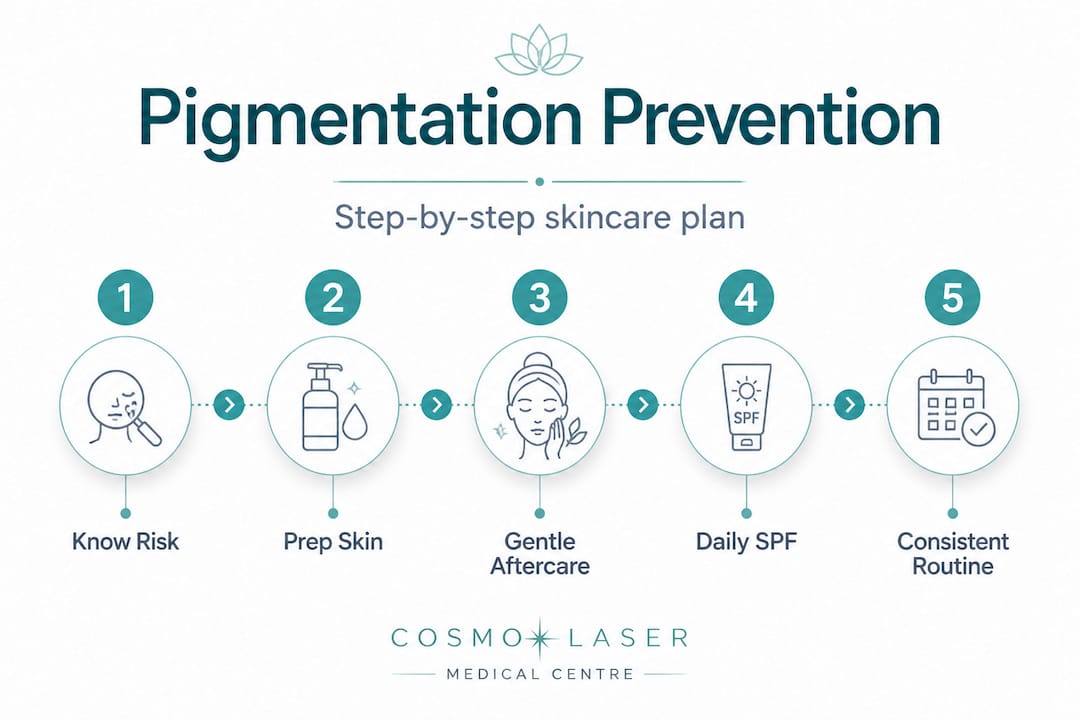
Dark spots appearing after a successful cosmetic procedure are one of the most frustrating outcomes you can face. You invest time, money, and trust into a treatment, only to notice uneven patches or new discoloration weeks later. This concern is especially real for people living in the UAE, where intense sun exposure, high humidity, and a population with predominantly darker skin tones create a uniquely challenging environment for post-treatment skin recovery. The good news is that post-inflammatory hyperpigmentation (PIH) is largely preventable when you follow the right steps before, during, and after your procedure.
Table of Contents
- Know your risk and what triggers post-treatment pigmentation
- Prepare before your treatment: Prevention starts early
- Smart aftercare: Post-procedure routines to prevent pigmentation
- Best ingredients and routines for long-term pigmentation control
- Common pitfalls and troubleshooting: What to do if pigmentation develops
- Why prevention is your best investment: What most clinics don't tell you
- Expert solutions in Sharjah to keep your skin clear
- Frequently asked questions
Key Takeaways
| Point | Details |
|---|---|
| Risk awareness | Darker skin and high sun exposure in the UAE increase post-treatment pigmentation risk. |
| Early preparation | Use pigment-safe devices and pre-treatment creams when possible for added protection. |
| Gentle aftercare | Moisturize, avoid actives, and protect skin from sun for at least a week after procedures. |
| Ongoing maintenance | Topical agents and recurrence prevention routines are key to long-term skin clarity. |
| Seek expertise | Consult professionals if pigmentation appears or for individualized prevention plans. |
Know your risk and what triggers post-treatment pigmentation
Understanding your personal risk is the first step toward protecting your results. Post-inflammatory hyperpigmentation happens when skin trauma, including the controlled trauma from cosmetic procedures, triggers an overproduction of melanin. The result is dark patches or spots that can take months to fade if not managed correctly.
Darker skin tones (Fitzpatrick IV-VI) carry a significantly higher PIH risk after procedures. This matters enormously in the UAE, where a large proportion of residents have South Asian, Middle Eastern, and African heritage, placing them squarely in the higher-risk categories. Choosing safe dark spot removal options that are designed with these skin types in mind is essential.
Several triggers make PIH more likely:
- Aggressive or inappropriate devices: Ablative lasers and deep chemical peels generate more skin trauma and are riskier for darker complexions.
- Tanned skin at the time of treatment: Active tanning dramatically increases melanin activity, making pigmentation far more likely after any procedure.
- Overtreatment or too-short intervals: Booking sessions too close together does not give skin enough time to recover.
- Poor aftercare: Skipping sun protection or using harsh products after treatment can trigger or worsen PIH.
- UAE's year-round UV intensity: The UAE has one of the highest UV indexes in the world, meaning unprotected post-treatment skin is at risk even on overcast days.
| Treatment type | PIH risk for Fitzpatrick IV-VI | Safer alternative |
|---|---|---|
| Ablative CO2 laser | Very high | 1064nm Nd:YAG, Pico laser |
| Deep chemical peel (TCA 30%+) | High | Superficial mandelic or lactic acid peel |
| Intense pulsed light (IPL) | Moderate to high | Nd:YAG or Pico for pigment concerns |
| Microneedling | Low to moderate | Microneedling with careful aftercare |
| HydraFacial | Low | Generally safe across skin types |
Understanding advanced lasers in skincare and how different wavelengths interact with melanin is key to choosing the right procedure. Seasonal timing also matters. In the UAE, scheduling aggressive treatments during summer months, when UV exposure is highest, significantly raises your risk.
Prepare before your treatment: Prevention starts early
Now that you know your risks, it is crucial to take meaningful action even before your appointment. Many people assume prevention begins after the procedure. In reality, what you do in the weeks leading up to treatment can be just as important as what you do afterward.
Here is a step-by-step pre-treatment preparation plan:
- Avoid sun exposure and tanning for at least 4 weeks before your procedure. This includes tanning beds and self-tanners. Treating tanned skin is one of the most common causes of post-treatment PIH.
- Start a tyrosinase inhibitor: Pre-treating with tyrosinase inhibitors for Fitzpatrick IV-VI skin types helps calm melanin-producing cells before they are stimulated by treatment. Common options include kojic acid, arbutin, and azelaic acid serums.
- Discuss your full history with your specialist: If you have a history of melasma, hormonal pigmentation, or previous PIH, your provider needs to know. Hormonal factors can make certain treatments far riskier.
- Avoid retinoids and exfoliating acids for 5 to 7 days before your appointment. These thin the skin barrier and increase sensitivity.
- Ask about seasonal scheduling: Whenever possible, safely scheduling cosmetic treatments in cooler months (October through March in the UAE) reduces post-procedure UV exposure during the critical healing window.
| Pre-treatment action | Timeframe before procedure | Why it matters |
|---|---|---|
| Stop sun exposure and tanning | 4 weeks before | Reduces active melanin stimulation |
| Begin tyrosinase inhibitor | 2 to 4 weeks before | Calms melanocytes pre-treatment |
| Stop retinoids and acids | 5 to 7 days before | Protects skin barrier integrity |
| Disclose melasma or hormonal history | At consultation | Allows provider to adjust approach |
| Avoid waxing treated areas | 2 weeks before | Reduces inflammation risk |
Pro Tip: If you have a history of melasma or hormonal pigmentation, ask your provider specifically whether your treatment plan accounts for hormonal triggers. Some procedures can actually worsen melasma if not approached carefully, regardless of how safe they are for other pigmentation concerns.
Smart aftercare: Post-procedure routines to prevent pigmentation
Preparation is half the battle; aftercare is just as important for long-term results. The first 72 hours after a cosmetic procedure are especially critical. Skin is inflamed, the barrier is compromised, and melanocytes are on high alert. How you treat your skin in this window sets the tone for your recovery.
Follow these steps for the first week after any procedure:
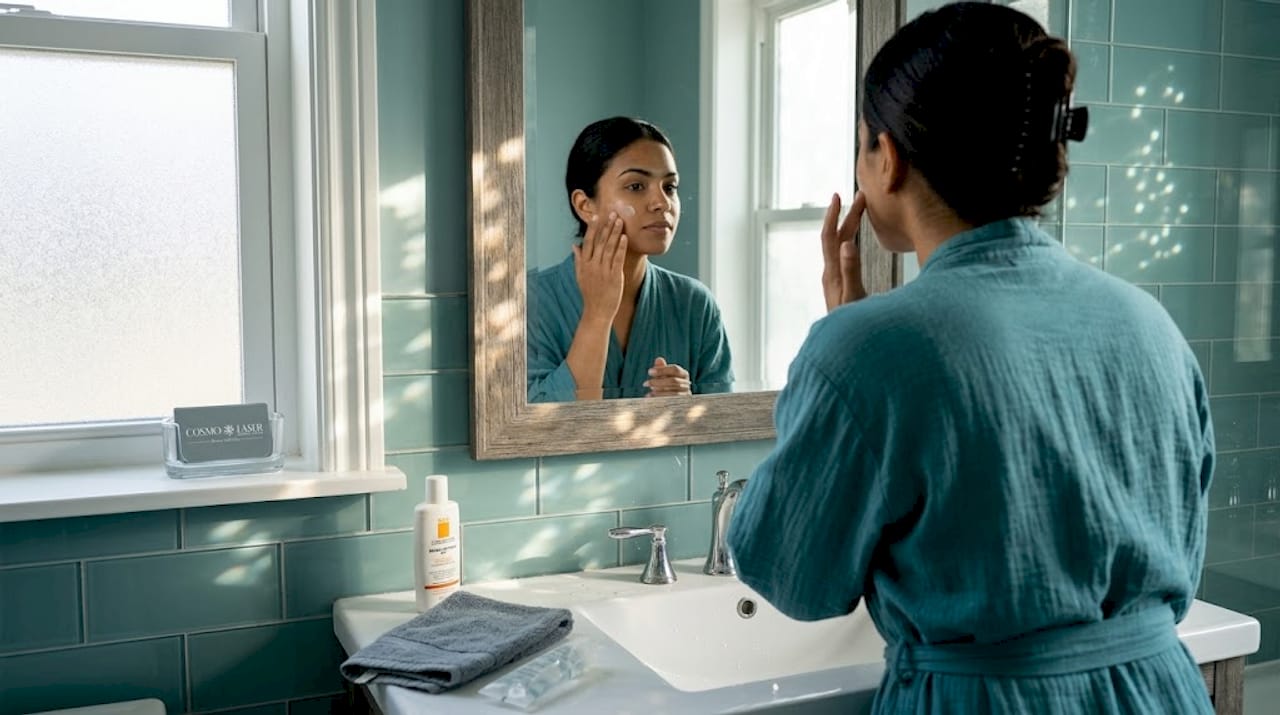
- Apply a gentle, fragrance-free moisturizer immediately and consistently. Ceramides and hyaluronic acid are the gold standard ingredients for repairing the skin barrier after procedures. Look for products specifically labeled for sensitive or post-procedure skin.
- Use broad-spectrum SPF 50+ sunscreen every single morning. Reapply every 2 hours if you go outdoors. This is non-negotiable in the UAE, where UV rays are intense year-round.
- Avoid touching, picking, or rubbing treated areas. This seems obvious, but it is one of the most common mistakes. Friction and trauma to healing skin directly stimulate melanin production.
- Skip all active ingredients for at least one week. This means no retinoids, AHAs, BHAs, vitamin C serums, or exfoliants. Your skin needs calm, not stimulation.
- Use cool or lukewarm water only. Hot water increases inflammation and blood flow to the skin, which can worsen redness and pigmentation risk.
- Stay out of direct sunlight as much as possible. If you must go outside, wear a wide-brimmed hat and seek shade. Physical barriers work alongside sunscreen.
"The 72-hour window after a laser or peel procedure is when your skin is most vulnerable to pigmentation triggers. Treating this period with the same seriousness as the procedure itself is what separates good outcomes from disappointing ones."
For ongoing aftercare beyond the first week, continue with your gentle routine and only reintroduce active ingredients once your skin has fully healed. Redness, sensitivity, and flaking should resolve before you add anything stronger. A thorough post-treatment skin care approach covers everything from the first 24 hours through the weeks of maintenance that follow.
Best ingredients and routines for long-term pigmentation control
With basic aftercare covered, let us explore the key ingredients and routines for keeping pigmentation away long-term. Once your skin has healed, usually after 2 to 4 weeks depending on the procedure, you can begin building a maintenance routine focused on pigment suppression and protection.
The most effective topical agents for controlling hyperpigmentation include:
- Hydroquinone (3 to 4%): Still considered the gold standard for hyperpigmentation treatment. Hydroquinone and tranexamic acid at 3%, along with niacinamide and azelaic acid, are proven melanin inhibitors that work at different points in the pigmentation pathway.
- Tranexamic acid (3%): Particularly effective for melasma and post-inflammatory pigmentation. It works by blocking the communication between keratinocytes and melanocytes that triggers excess melanin.
- Niacinamide (5 to 10%): Reduces melanin transfer to skin cells and also strengthens the barrier. It is well tolerated by almost all skin types and can be used alongside most other actives.
- Azelaic acid (10 to 20%): Targets abnormal melanocytes specifically, making it especially useful for PIH and melasma without the irritation risk of stronger agents.
- Retinoids (reintroduced gradually): Retinoids accelerate cell turnover, helping to push pigmented cells to the surface faster. Start with a low-strength retinol 2 to 3 nights per week and build up slowly. Combining retinoids with anti-aging skin treatments can also address fine lines and texture at the same time.
Pro Tip: Layering niacinamide with tranexamic acid is one of the most effective and gentle combinations for post-treatment pigmentation control. Both ingredients are safe for daily use and well tolerated by darker skin types, making them ideal for UAE residents with Fitzpatrick IV-VI skin.
Consistency is everything. Applying a pigment-suppressing serum twice daily, combined with daily SPF 50+, is more effective than any single in-office treatment when it comes to long-term maintenance. Think of your at-home routine as the ongoing investment that protects the results you paid for in the clinic.
Common pitfalls and troubleshooting: What to do if pigmentation develops
Even with the best prevention, setbacks can happen. Here is how to handle them safely and effectively.
If you notice new dark spots or patches appearing after a procedure, the most important rule is this: do not panic and do not self-treat aggressively. Harsh home remedies, lemon juice, baking soda, or over-the-counter bleaching creams with unregulated ingredients can make PIH significantly worse.
Here is what to do instead:
- Contact your treating clinic promptly. Early intervention with the right topical agents gives you the best chance of resolving PIH quickly.
- Start or reinforce sun protection immediately. Every additional UV exposure makes existing pigmentation darker and harder to treat.
- Ask about safe topical prescriptions. Prescription-strength hydroquinone, tretinoin, or combination formulas may be appropriate depending on the severity.
- Avoid any additional procedures until the pigmentation is stable. Retreating inflamed or hyperpigmented skin almost always makes things worse.
- Be patient. PIH can take 3 to 12 months to fade even with correct treatment. Rushing the process with aggressive interventions typically extends the timeline.
"Combining topical agents with consistent maintenance is the most reliable long-term strategy for preventing recurrence."
Topical agents with maintenance routines are far more effective when started early and sustained consistently. If you are unsure whether what you are seeing is normal post-procedure redness or early PIH, a professional evaluation is always the right call. Explore aesthetic treatments for skin that are appropriate for your recovery stage if you need additional support.
Why prevention is your best investment: What most clinics don't tell you
Here is the part most clinics skip over. The conversation in many aesthetic practices focuses heavily on what a treatment can do for you and far less on the daily discipline required to protect those results. That gap is where most pigmentation problems begin.
Prevention through careful planning, professional guidance, and well-chosen routines consistently produces better cosmetic and financial outcomes than correction after the fact. A single course of post-treatment PIH can require months of topical therapy, multiple follow-up appointments, and potentially additional laser sessions to address. The cost, both financial and emotional, is far higher than the cost of taking prevention seriously from the start.
The uncomfortable truth is that many patients who experience post-treatment pigmentation were not given enough specific guidance about their individual risk. Clinics sometimes apply a one-size-fits-all protocol that works well for lighter skin types but leaves higher-risk patients without adequate preparation or aftercare instructions. In the UAE, where the majority of patients have Fitzpatrick IV-VI skin, this gap is especially problematic.
Your skin recovery guide should be personalized, not generic. Ask your provider directly: "What is my specific PIH risk, and what should I do before and after to minimize it?" If you do not get a detailed, individualized answer, that is a signal to seek a second opinion.
The daily discipline of SPF application, gentle skincare, and consistent pigment-suppressing ingredients is not glamorous. But it is the single most powerful tool you have. Shortcuts here are expensive later.
Expert solutions in Sharjah to keep your skin clear
Ready to take action or need expert guidance? Here are your next steps.
At CosmoLaser Medical Center in Sharjah, our specialists understand the unique challenges that come with treating diverse skin tones in a high-UV environment. Whether you are preparing for your first procedure or managing the aftermath of a previous treatment, personalized guidance makes all the difference.

Our team offers skin resurfacing in Sharjah using the latest pigment-safe technologies, along with carefully calibrated chemical peels for pigmentation that are matched to your Fitzpatrick type and skin history. For those looking to build a complete, long-term strategy, our skin rejuvenation options include personalized treatment plans that address both active pigmentation and prevention. Book a consultation with one of our board-certified specialists to get a clear, honest assessment of your risk and the right path forward.
Frequently asked questions
Which treatments are safest for preventing pigmentation in darker skin?
Pigment-safe lasers like 1064nm Nd:YAG and Pico, along with superficial peels using mandelic or lactic acid, are the safest options for Fitzpatrick IV-VI skin types.
How long should I avoid actives like retinoids or acids after treatment?
Avoid retinoids, AHAs, BHAs, and vitamin C for at least one full week after any procedure to minimize irritation and reduce your risk of triggering PIH.
Should I pre-treat with any creams or serums before my procedure?
Yes, pre-treating with tyrosinase inhibitors such as kojic acid, arbutin, or azelaic acid for 2 to 4 weeks before treatment can meaningfully reduce pigmentation risk, especially for darker skin types.
What if I see new dark spots after my treatment?
Consult your dermatologist promptly, as starting topical agents early and reinforcing sun protection gives you the best chance of resolving PIH before it becomes chronic.
Is sun exposure after treatment as risky in winter as in summer in the UAE?
Yes, the UAE maintains high UV levels year-round, so broad-spectrum SPF 50+ is essential every day after any skin procedure, regardless of season.