

TL;DR:
- Multiple treatment approaches outperform single solutions for dark spot removal in UAE skin.
- Professional diagnosis and customized combination treatments are essential for effective, lasting results.
- Consistent sun protection and aftercare are crucial to maintaining skin improvement and preventing recurrence.
Dark spots are one of the most common skin concerns among UAE residents, yet most people approach them with the wrong tool. The idea that a single brightening cream can erase years of sun damage, hormonal pigmentation, or post-acne marks is one of the most persistent myths in skincare. The truth is that multimodal approaches consistently outperform any single solution. This guide breaks down the real science behind dark spot removal, separates effective options from marketing noise, and gives you a clear path toward safe, lasting results in the UAE's unique climate and skin diversity.
Table of Contents
- What causes dark spots and why targeted removal approaches matter
- At-home dark spot removal: What works and what doesn't
- Professional dark spot removal: Peels, lasers, microneedling, and more
- Safety and aftercare: Setting your skin up for success
- The real secret UAE experts use for dark spot removal
- Next steps: Expert dark spot solutions at Cosmolaser
- Frequently asked questions
Key Takeaways
| Point | Details |
|---|---|
| Multiple approaches work best | Combining lasers, topicals, and peels yields the most reliable results for dark spot removal. |
| Personalized plans matter | Choosing a tailored solution based on the cause of your pigmentation is essential for safety and success. |
| Aftercare ensures lasting results | Following professional aftercare and sun protection advice reduces recurrence and boosts treatment impact. |
| Expert guidance is critical | Consulting trained professionals helps you avoid common pitfalls and achieve radiant, even skin safely. |
What causes dark spots and why targeted removal approaches matter
Before choosing any treatment, you need to understand what you're actually treating. "Dark spots" is a catch-all term covering several distinct conditions, and each one behaves differently. Hyperpigmentation is a broad category where excess melanin causes skin to darken. Melasma appears as larger, often symmetrical patches and is frequently hormonal and recurrent, making it one of the trickiest types to manage. Sun spots, also called solar lentigines, are caused by cumulative UV exposure. Post-inflammatory hyperpigmentation (PIH) follows skin trauma, typically acne or a wound.
In the UAE and across the GCC, several factors make pigmentation especially common:
- Intense year-round UV exposure accelerates melanin production even with brief outdoor time
- Hormonal shifts from pregnancy, contraceptives, or thyroid changes trigger melasma in many women
- Acne scarring leaves behind PIH that can linger for months or years without treatment
- Genetic predisposition in darker Fitzpatrick skin types means pigmentation is more pronounced and harder to reverse
This variety matters because the wrong treatment can actually worsen your spots. Applying a strong acid to melasma without professional guidance, for example, can trigger rebound pigmentation. Aggressive lasers used on the wrong skin type cause burns and new dark marks.
"Treating dark spots without knowing their cause is like prescribing medication without a diagnosis. The treatment that clears one type may inflame another."
A professional skin assessment is the starting point, not an optional extra. Professional skin treatments that are tailored to your specific pigmentation type will always outperform generic routines. One-size-fits-all skincare is not just ineffective here; it can set your skin back by months.
Pro Tip: Before spending on any product or procedure, get a proper skin diagnosis. A dermatologist or aesthetic specialist can identify your pigmentation type in a single consultation, saving you time, money, and potential skin damage.
At-home dark spot removal: What works and what doesn't
Once you know your pigmentation's cause, you may consider at-home solutions. Here's what to expect and what not to.
At-home products can support your skin, but they have real limits. For mild, recent spots, the right actives can make a visible difference over several weeks. For persistent, deep, or hormonal pigmentation, topicals alone rarely deliver meaningful results. Studies confirm that single modalities deliver less pronounced results than combination approaches that pair topicals with professional treatments.
Here are the top three at-home actives and what the evidence actually shows:
- Vitamin C (ascorbic acid): A well-studied antioxidant that inhibits melanin production and brightens existing spots. Effective for mild sun spots and early PIH. Unstable in light and air, so formulation quality matters. Best used in the morning under SPF.
- Niacinamide: Reduces melanin transfer to skin cells and has a strong safety profile for all skin tones. Works gradually over 8 to 12 weeks. Excellent for sensitive skin and a good supporting ingredient alongside other actives.
- Hydroquinone: The most clinically proven skin-lightening agent available, but also the most misused. Effective for melasma and PIH when used correctly, but overuse causes a condition called ochronosis, a paradoxical darkening of the skin. In the UAE, higher concentrations require a prescription for good reason.
Common mistakes UAE residents make with at-home products include layering too many actives at once, skipping SPF (which makes every brightening ingredient less effective), and expecting professional-grade results from drugstore formulas.
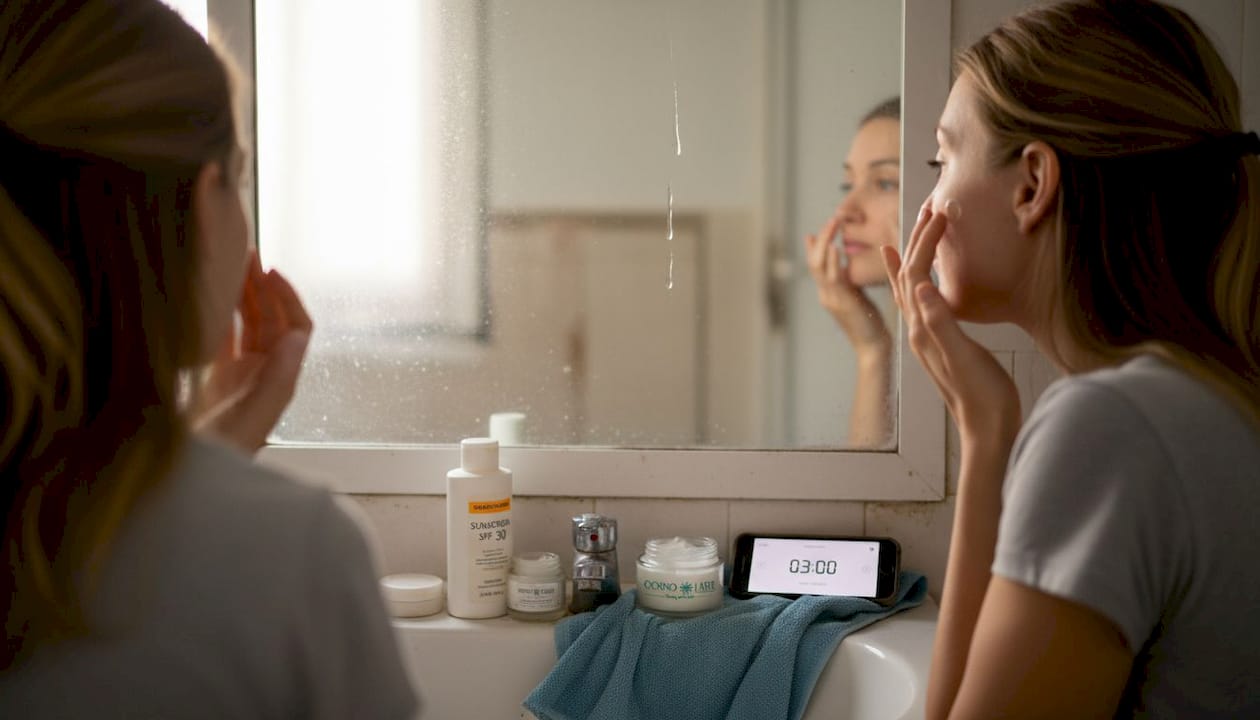
Pro Tip: Always patch test any new active on your inner arm for 48 hours before applying it to your face. UAE's high UV index means your skin is already under daily stress, and a new irritant can trigger the very inflammation that causes more dark spots.
At-home routines work best as maintenance tools or mild spot support. For anything persistent, recurring, or covering a larger area, de-pigmentation treatments at a clinic will get you further, faster, and more safely.
Professional dark spot removal: Peels, lasers, microneedling, and more
For those seeking real results, understanding professional and high-efficacy interventions is crucial.
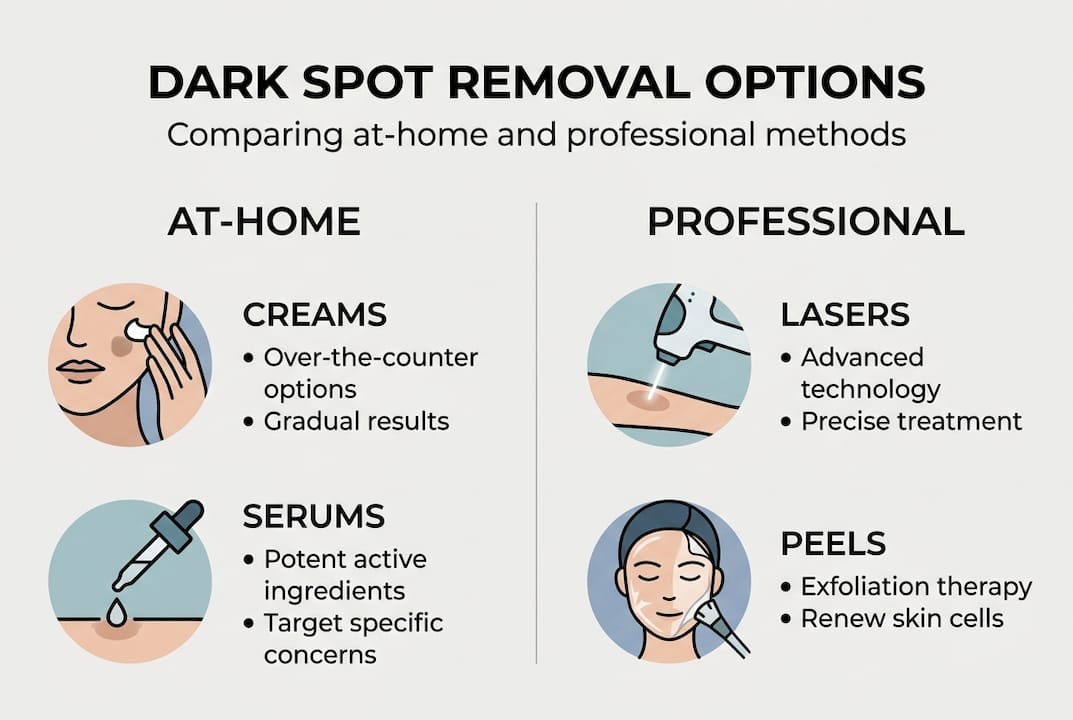
Clinical treatments work at a deeper level than any topical product. They target melanin directly, stimulate cell turnover, and can address pigmentation layers that creams simply cannot reach. Combining modalities gets better outcomes than relying on any single treatment, and this is now the standard approach in leading aesthetic clinics.
| Treatment | Efficacy | Downtime | Key consideration |
|---|---|---|---|
| Chemical peels | Moderate to high | 3 to 7 days | Best for surface pigmentation; multiple sessions needed |
| Q-switched laser | High | 1 to 3 days | Targets melanin precisely; ideal for sun spots |
| Fractional laser | High | 5 to 7 days | Resurfacing effect; great for PIH and texture |
| Microneedling with TXA | High for melasma | Minimal | Tranexamic acid delivery reduces hormonal pigmentation |
| Combination protocols | Highest | Varies | Custom layering delivers the most durable outcomes |
For stubborn pigmentation, especially melasma, a combination approach is strongly preferred. A typical protocol might start with a series of mild chemical peels to prepare the skin, followed by microneedling with tranexamic acid (TXA) to target deeper melanin, and then maintenance sessions as needed. Advanced lasers in skincare have made it possible to treat even resistant pigmentation with less risk than older technologies.
Here's how to get started with professional treatment:
- Step 1: Book a skin assessment to identify your pigmentation type and depth
- Step 2: Discuss your skin history, including past treatments and reactions
- Step 3: Receive a customized protocol, not a one-treatment recommendation
- Step 4: Follow pre-treatment prep instructions, usually including SPF and possibly a priming cream
- Step 5: Commit to post-treatment care and scheduled follow-ups
Exploring skin resurfacing options with a qualified specialist gives you access to technologies and protocols that simply are not available in a bottle.
Safety and aftercare: Setting your skin up for success
No matter your chosen option, achieving clear skin safely means following expert aftercare advice.
The treatment session is only half the equation. What you do in the days and weeks after directly determines how well your results hold. This is especially true in the UAE, where sun exposure is unavoidable and heat can prolong skin sensitivity after procedures.
| Aftercare step | Why it matters |
|---|---|
| Apply broad-spectrum SPF 50+ daily | UV exposure after treatment triggers new pigmentation fast |
| Avoid direct sun between 10am and 4pm | Peak UV hours cause the most damage to freshly treated skin |
| Use gentle, fragrance-free cleansers | Harsh products disrupt the skin barrier during healing |
| Moisturize consistently | Hydrated skin heals faster and holds results longer |
| Attend follow-up appointments | Specialists adjust your plan based on how your skin responds |
Here are the key do's and don'ts after any dark spot procedure:
- Do wear a wide-brim hat and seek shade whenever outdoors
- Do follow your specialist's prescribed home care routine exactly
- Do report any unusual redness, swelling, or blistering immediately
- Don't pick or exfoliate treated areas before they are fully healed
- Don't use retinoids or strong acids unless your doctor specifically approves them
- Don't skip SPF on cloudy days, UV penetrates clouds and glass
"Sun protection is not optional after pigmentation treatment. It is the treatment."
For melasma specifically, ongoing care is essential because the condition is driven by hormonal and environmental triggers that do not disappear after a laser session. Understanding the importance of maintenance is what separates patients who keep their results from those who see their spots return within months.
The real secret UAE experts use for dark spot removal
Here is a candid take from years of working with pigmentation in the UAE: most people are still chasing quick fixes, and the market is happy to sell them.
Walk into any pharmacy and you will find shelves of brightening serums promising results in two weeks. Many clinics still lead with a single laser session as their primary offering. Neither approach reflects what the evidence actually supports. The best outcomes come from layered, custom plans that combine mild peels, topical TXA, and appropriate laser technology over a structured timeline, not from a single dramatic intervention.
What experienced practitioners know is that pigmentation is dynamic. It responds to hormones, stress, sun, and even the seasons. A plan that works in winter may need adjusting in summer. That requires ongoing follow-up and real customization, not a cookie-cutter package.
The uncomfortable truth is that some clinics prioritize selling their newest device over choosing the right tool for your skin. Before committing to any protocol, ask your provider how they plan to adjust your treatment if results plateau. If they cannot answer that clearly, keep looking. Exploring chemical peels insights and understanding how treatments layer together gives you the knowledge to ask the right questions.
Pro Tip: Always verify that your provider is building a plan around your skin's specific needs, not just offering the most popular or most profitable treatment on their menu.
Next steps: Expert dark spot solutions at Cosmolaser
Ready to take the next step toward glowing, even skin? Here's how Cosmolaser Medical Center can help.
At Cosmolaser, we start with a thorough skin assessment before recommending any treatment. That means understanding your pigmentation type, skin tone, lifestyle, and history before building your plan. Whether you need skin resurfacing solutions, targeted chemical peel treatments, or a full combination protocol for persistent melasma, we customize every step.
Our team works with the latest technologies and evidence-based protocols to give you safe, lasting results. We also offer skin rejuvenation services that complement dark spot removal and support your overall skin health. Book your consultation today and get a clear, personalized roadmap to the skin you want.
Frequently asked questions
How soon can I see results from dark spot removal treatments?
Mild cases may show improvement in 4 to 6 weeks, but most professional treatments require multiple sessions over a few months for full, lasting results.
Is laser treatment safe for darker skin tones in the UAE?
Yes, modern lasers are safe for darker skin tones when performed by trained specialists who select the right technology. Proper diagnosis and technology selection are essential for minimizing risk.
What's the best option for treating melasma?
Studies favor TXA microneedling for melasma, often combined with other treatments and followed by ongoing maintenance to prevent recurrence.
Can I prevent new dark spots from forming after treatment?
Consistent SPF use and following your specialist's aftercare plan are the most effective defenses. Ongoing care prevents relapse, especially for hormonally driven pigmentation like melasma.