
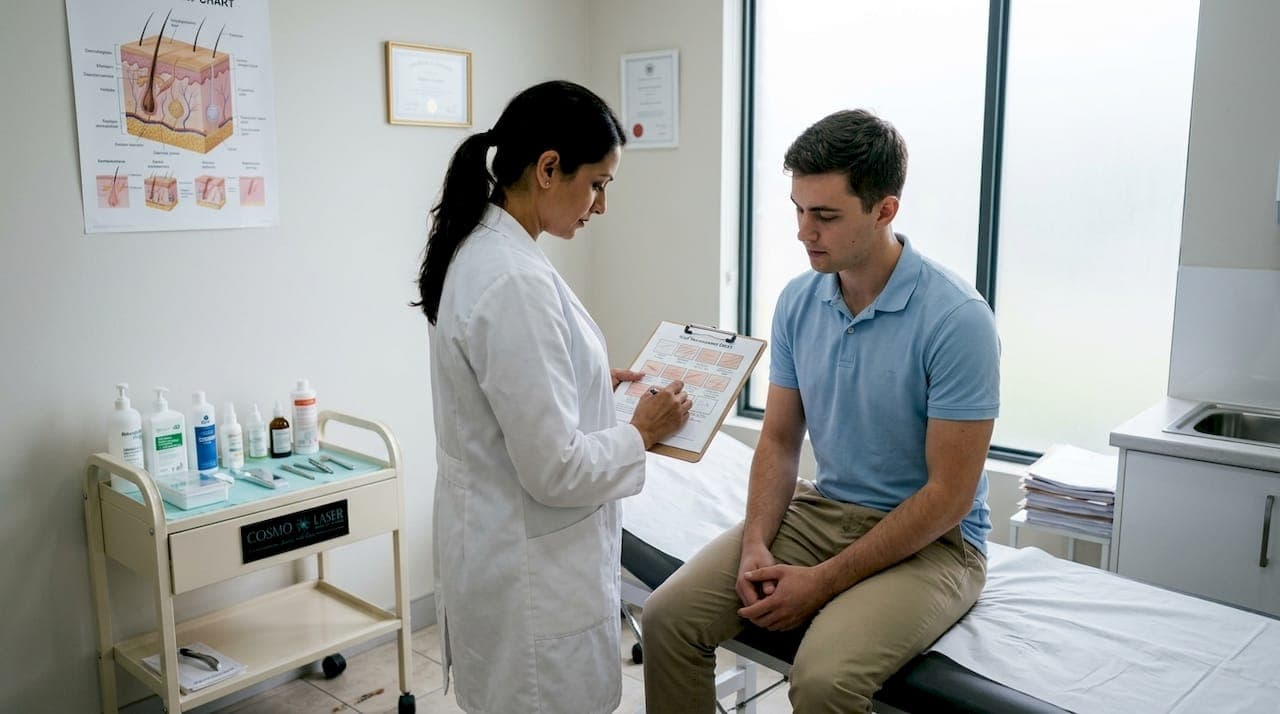
Scars are more than skin deep. Whether they come from acne, surgery, or injury, they can quietly chip away at your confidence every time you look in the mirror. Many people in the UAE have tried creams, home remedies, and even surgical procedures, only to feel let down by the results. The truth is, realistic improvement of 50-70% is achievable with the right multi-modal approach, but only when you follow a structured, evidence-based workflow. This guide walks you through exactly that.
Table of Contents
- Understand your scar type: Key differences to know
- Preparing for scar removal: Essential prerequisites
- Step-by-step scar removal workflow: The clinical process
- Avoiding common mistakes and maximizing results
- What to expect: Recovery, monitoring and outcome
- Take your next step with expert care in Sharjah
- Frequently asked questions
Key Takeaways
| Point | Details |
|---|---|
| Early intervention matters | Starting scar removal around the 3rd week post-injury maximizes improvement potential. |
| Combination approaches work best | Using multiple therapies, such as lasers and steroids, delivers higher satisfaction and better scar reduction. |
| Safety for UAE skin types | Ablative and non-ablative lasers are safe for Fitzpatrick III-IV skin common in the UAE with mild side effects. |
| Expect realistic results | Professional treatments can achieve 50-70% visible improvement, but complete scar removal isn't possible. |
| Avoid major mistakes | Don't rely solely on surgery or ignore medical history—follow a tailored, evidence-based workflow. |
Understand your scar type: Key differences to know
Not all scars behave the same way, and treating them as if they do is one of the most common mistakes people make. Before any treatment begins, you need to know what you are actually dealing with. The four main types you will encounter are atrophic, hypertrophic, keloid, and acne scars, and each one responds differently to treatment.
Atrophic scars sit below the skin surface and are most commonly caused by acne or chickenpox. They look like small pits or depressions. Hypertrophic scars are raised and red but stay within the original wound boundary. Keloid scars go further, spreading beyond the wound edges and often returning after treatment. Acne scars are a broad category that can include both atrophic and hypertrophic forms.
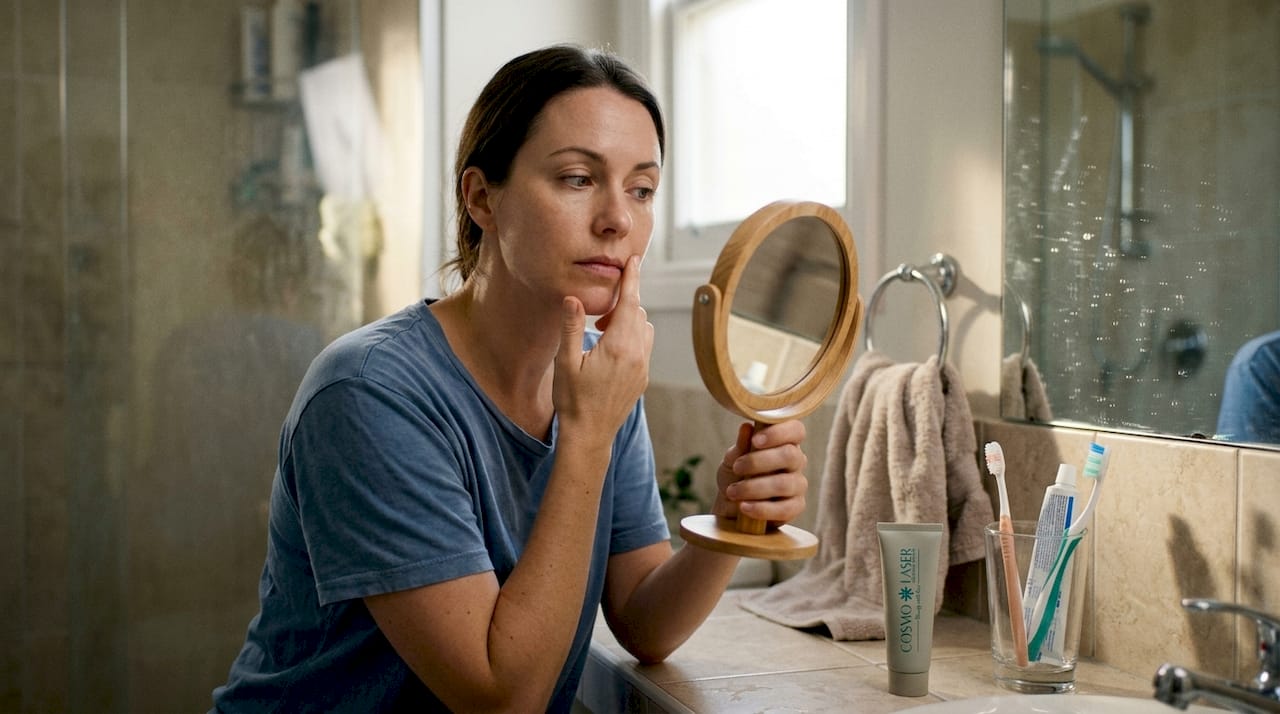
Here is a quick comparison to help you identify what you may be dealing with:
| Scar type | Appearance | Common cause | Treatment complexity |
|---|---|---|---|
| Atrophic | Depressed, pitted | Acne, chickenpox | Moderate |
| Hypertrophic | Raised, red, within wound | Surgery, burns | Moderate to high |
| Keloid | Raised, spreads beyond wound | Genetics, trauma | High |
| Acne scars | Varied, pitted or raised | Inflammatory acne | Moderate to high |
Genetics play a significant role, especially for people with Fitzpatrick skin types III and IV, which are very common across the UAE population. Darker skin tones carry a higher risk of keloid formation and post-inflammatory hyperpigmentation after treatment. This is why accurate diagnosis before choosing a workflow is not optional. It is essential.
Key factors your provider should assess before recommending any treatment:
- Scar age and maturity
- Skin type and tone (Fitzpatrick classification)
- Previous treatments and their outcomes
- Family history of keloid formation
- Location of the scar on the body
Keloid and hypertrophic scars require intralesional steroids combined with laser therapy to prevent recurrence. Skipping this combination and relying on a single method almost always leads to disappointing results. Treatments like fractional laser treatment and professional skin resurfacing are most effective when matched precisely to your scar type.
Preparing for scar removal: Essential prerequisites
With your scar type identified, it is vital to prep thoroughly and understand what you will need to maximize results. Preparation is where many patients cut corners, and it is also where many treatments fail before they even begin.
Your provider will review your full medical history during an initial consultation. This step is not just a formality. It directly determines which treatments are safe for you and which ones could cause harm.
Here is a comparison of what is typically safe versus what requires caution:
| Factor | Safe to proceed | Requires caution or delay |
|---|---|---|
| Skin condition | Healed, stable | Active infection or open wound |
| Medications | Standard skincare | Recent retinoid use |
| Health status | General good health | Pregnancy |
| Scar maturity | 3+ weeks post-injury | Fresh wound |
Contraindications include recent retinoid use, pregnancy, and active infection, so disclosing your full medication and health history is non-negotiable. Retinoids thin the skin and increase sensitivity, which can lead to complications during laser or chemical treatments.
The tools and materials involved in a professional scar removal workflow typically include:
- Fractional CO2 laser devices
- Intralesional corticosteroids
- Cannulas for subcision procedures
- Topical numbing agents
- Post-treatment aftercare products (SPF, gentle moisturizers)
Exploring aesthetic treatments before your consultation can help you ask better questions and feel more confident walking in. If you have had laser hair removal preparation before, some of the pre-treatment steps will feel familiar.
Pro Tip: The optimal window for starting scar treatment is around the 3rd week post-injury, when the wound has closed but the scar tissue is still forming. Early intervention at this stage produces far better long-term outcomes than waiting months or years.
Step-by-step scar removal workflow: The clinical process
Once ready and equipped, you can follow each proven step in your scar removal journey for optimal results. This is where the real work happens, and where a structured approach separates average outcomes from genuinely impressive ones.
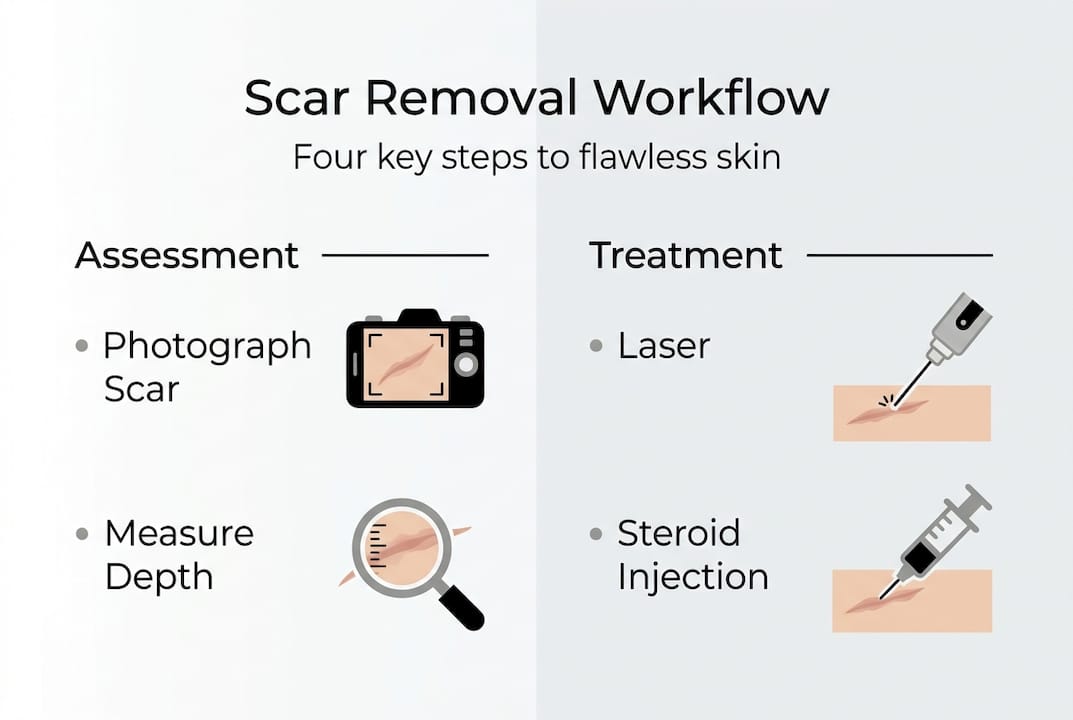
Step 1: Scar assessment and documentation Your provider photographs and measures the scar using a standardized scale, often the Vancouver Scar Scale (VSS). This baseline is critical for tracking progress across sessions.
Step 2: Initiate early intervention If you are within the optimal window (around the 3rd week post-injury), treatment begins immediately. Early-stage scar tissue is more responsive to remodeling than mature, hardened scars.
Step 3: Combination therapy This is the core of the workflow. No single treatment delivers the best results on its own. A typical combination includes:
- Fractional CO2 laser resurfacing to stimulate collagen and reduce scar depth
- Intralesional corticosteroid injections to flatten raised or keloid scars
- Subcision using a cannula to release tethered atrophic scars
- Post-treatment support including SPF, gentle cleansers, and follow-up care
Fractional CO2 laser reduces VSS scores by 30-45% and improves acne scarring by up to 66%, making it one of the most effective tools in the workflow. You can learn more about laser skin resurfacing and how it fits into a broader treatment plan.
"Lasers are preferred over surgery for their minimal downtime and strong safety profile. Multi-modal therapy yields higher satisfaction than any single-method approach."
Step 4: Follow-up and recurrence monitoring Keloids in particular require close monitoring after each session. Most patients complete 3 to 5 sessions, with follow-up visits scheduled every 4 to 6 weeks. Patient satisfaction is consistently highest in this range.
Some providers also incorporate chemical peels between laser sessions to accelerate surface renewal. For certain pigmented scars, options like tattoo removal technology can also be adapted for targeted pigment correction.
Pro Tip: Cannula-based subcision produces fewer bruising and adverse effects compared to traditional needle-based approaches, while delivering comparable or better outcomes for tethered atrophic scars.
Avoiding common mistakes and maximizing results
With the clinical workflow clear, you will want to avoid typical errors and practice the best strategies for lasting results. Even the best treatment plan can fail if these pitfalls are not addressed.
Common mistakes to avoid:
- Relying solely on surgery for keloids. Keloid recurrence exceeds 50% with surgery alone. Combination therapy is far superior.
- Delaying treatment. Waiting too long after injury allows scar tissue to mature and harden, making it significantly harder to treat.
- Ignoring contraindications. Starting treatment while pregnant, actively infected, or on retinoids can cause serious complications.
- Skipping follow-up sessions. One session rarely delivers meaningful results. The workflow requires consistency.
- Choosing providers without experience in darker skin tones. Fitzpatrick III-IV skin types need specialists who understand the higher risk of hyperpigmentation and keloid formation.
"The biggest mistake is treating a keloid like a regular scar. Without a combination approach, recurrence is almost guaranteed."
Strategies that actually work:
- Start treatment early and stick to the full session plan
- Choose a provider experienced with your specific skin type
- Combine modalities rather than relying on one method
- Maintain consistent aftercare between sessions
Understanding the benefits of laser treatments can also help you appreciate why laser-based approaches are so central to modern scar removal protocols.
What to expect: Recovery, monitoring and outcome
Having avoided common pitfalls, you need to understand how recovery unfolds and what improvement to expect. Knowing what is normal after treatment helps you stay calm and consistent throughout the process.
Most patients experience mild redness and slight swelling for 1 to 2 days after each session. These are normal responses and typically resolve quickly. More intensive treatments like fractional CO2 laser may cause a few additional days of sensitivity, but serious side effects are uncommon when performed by qualified providers.
Here is a summary of what to expect at each stage:
| Stage | Timeline | What you may experience |
|---|---|---|
| Immediately post-treatment | 0-48 hours | Redness, mild swelling, sensitivity |
| Early recovery | Days 3-7 | Skin peeling, slight dryness |
| Mid-treatment progress | Weeks 4-6 | Visible texture improvement |
| Full results | After 3-5 sessions | 50-70% visible improvement |
Most patients see 50-70% visible improvement after completing their full treatment plan, with high satisfaction rates and a mild, manageable side effect profile. Complete erasure is not realistic, but meaningful, visible change absolutely is.
Ongoing care between and after sessions:
- Apply broad-spectrum SPF 30 or higher every morning
- Use gentle, fragrance-free cleansers
- Avoid harsh exfoliants and irritating ingredients
- Attend all scheduled follow-up visits
- Report any unusual changes to your provider immediately
For long-term skin rejuvenation, maintaining a consistent skincare routine between sessions is just as important as the treatments themselves.
Take your next step with expert care in Sharjah
You now understand the full picture: what type of scar you have, how to prepare, what the clinical workflow looks like, and what results are realistic. The next step is working with a team that can put all of this into practice for your specific skin.
At Cosmolaser Medical Center in Sharjah, our specialists design personalized scar removal workflows based on your scar type, skin tone, and treatment history. We use advanced skin resurfacing technology and targeted chemical peels as part of combination protocols that are proven to deliver results. Whether you are dealing with acne scars, keloids, or post-surgical marks, we offer expert consultations to map out the most effective path forward for your skin. Book your consultation today and take the first real step toward visible, lasting improvement.
Frequently asked questions
How soon after injury can I begin scar removal treatments?
Early intervention, ideally around the 3rd week post-injury, offers the best outcomes for most scar types. Starting too early on an open wound is unsafe, but waiting too long allows scar tissue to harden.
Are laser treatments safe for darker skin tones in the UAE?
Yes. Both ablative and non-ablative lasers are considered safe with mild, manageable side effects, particularly when performed by providers experienced with Fitzpatrick III-IV skin types. Choosing the right clinic matters significantly.
How much improvement should I realistically expect from scar removal?
Most patients can anticipate a 50-70% visible improvement after 3 to 5 professional sessions. Complete erasure is not possible, but the improvement is often significant enough to restore confidence.
What are the main contraindications for scar removal procedures?
Recent retinoid use, pregnancy, and active infection are the major contraindications to starting scar removal treatments. Always disclose your full medical history during your initial consultation.
What aftercare steps should I follow for best results?
Apply SPF daily, use gentle cleansers, and avoid irritating skincare ingredients between sessions. Regular follow-up visits are also essential for monitoring progress and catching any early signs of recurrence.