

TL;DR:
- Cosmetic injectables include neuromodulators and various dermal fillers with distinct mechanisms and durations.
- UAE strict regulations ensure safety, requiring licensed clinics to use approved products and have emergency protocols.
- Proper consultation and treatment planning optimize results and minimize risks, emphasizing the importance of experienced practitioners.
Cosmetic injectables are not a single category. They span neuromodulators, hyaluronic acid fillers, collagen stimulators, and more, each designed for a specific purpose and outcome. Many UAE residents walk into clinics thinking "Botox or fillers" covers the full picture, but cosmetic injectables include a wide spectrum of products with distinct mechanisms, longevity, and risk profiles. The UAE also enforces some of the region's most rigorous regulatory standards for these procedures, which changes what safe treatment actually looks like here. This guide breaks down every major injectable type, what the evidence says about safety and satisfaction, how UAE regulations protect you, and how to make smart choices for your aesthetic goals.
Table of Contents
- Understanding cosmetic injectables: Types and how they work
- Safety and satisfaction: Evidence and UAE regulations
- Risks, side effects, and emergency protocols
- How to maximize results and minimize risks: Choosing and combining treatments
- A fresh perspective: What most UAE clients miss about injectables
- Take your next step with expert UAE injectables
- Frequently asked questions
Key Takeaways
| Point | Details |
|---|---|
| HA fillers dominate | Hyaluronic acid fillers are the most popular injectable choice for beginners and experienced users in the UAE. |
| Strict safety regulations | Dubai Health Authority (DHA) enforces rigorous standards for clinics and providers of injectables in the UAE. |
| Low complication risk | Cosmetic injectables in the UAE have high satisfaction rates and rare adverse events when performed by licensed professionals. |
| Risk management matters | Knowing emergency protocols, especially for rare risks like vascular occlusion, ensures safe outcomes. |
| Expert consultation vital | Personalized advice on choosing and combining injectables maximizes results and minimizes unwanted effects. |
Understanding cosmetic injectables: Types and how they work
At the broadest level, cosmetic injectables fall into two families: neuromodulators and dermal fillers. Neuromodulators, like Botox (botulinum toxin type A), relax muscles by blocking acetylcholine release at the nerve-muscle junction. This prevents targeted muscles from contracting, which smooths dynamic wrinkles like forehead lines, crow's feet, and frown lines. Results typically appear within 3 to 7 days and last 3 to 6 months.
Dermal fillers work differently. Rather than relaxing muscles, they restore volume or stimulate collagen depending on their composition. Here is a quick breakdown of the main filler types:
- Hyaluronic acid (HA) fillers: Soft, gel-like, and reversible. Brands like Juvederm and Restylane fall here. Duration: 6 to 12 months.
- Calcium hydroxylapatite (CaHA): Denser, used for deeper volume loss and structural support. Duration: 12 to 18 months.
- Poly-L-lactic acid (PLLA): A collagen stimulator, not an instant filler. Results build gradually over weeks. Duration: up to 2 years.
- Polycaprolactone (PCL): The longest-lasting option, stimulating collagen for up to 4 to 5 years.
| Filler type | Mechanism | Longevity | Reversible? |
|---|---|---|---|
| HA | Volume replacement | 6 to 12 months | Yes (hyaluronidase) |
| CaHA | Volume + collagen support | 12 to 18 months | No |
| PLLA | Collagen stimulation | Up to 2 years | No |
| PCL | Collagen stimulation | 4 to 5 years | No |
| Botox | Muscle relaxation | 3 to 6 months | No (wears off) |
In the UAE and globally, HA fillers make up 70 to 87% of all filler procedures. Their reversibility and natural feel make them the default starting point for most patients. If you want to explore your options in detail, the dermal fillers overview at CosmoLaser covers what each product achieves and who it suits best. For neuromodulators specifically, understanding the Botox mechanism helps set realistic expectations before your first session.
Choosing between injectable types depends on your goal. Botox works best for expression-related wrinkles. HA fillers suit lip augmentation, cheek volume, and under-eye hollows. Longer-acting fillers like PLLA or PCL fit patients who want gradual, sustained results without frequent touch-ups.
Safety and satisfaction: Evidence and UAE regulations
Marketing language around injectables can sound flawless, so it helps to look at what actual data shows. A 2025 study on cosmetic injectables in the UAE found a satisfaction rate of 83.4% among patients, with low complication rates when treatments were performed by licensed professionals. That is a strong outcome, but it is not automatic. It depends heavily on clinic standards and practitioner training.
The UAE regulatory framework is genuinely strict. The Dubai Health Authority (DHA) rolled out updated standards effective February 2025 requiring all facilities and professionals performing non-surgical cosmetic procedures to be licensed and use only MOHAP-approved products. These are not suggestions. They are enforceable requirements.
Some specifics worth knowing:
- PRP (platelet-rich plasma) injections are restricted to facial and hair applications only under UAE rules.
- Dentists are permitted to perform certain facial injectable procedures within their scope of practice.
- Clinics must maintain emergency protocols and have qualified staff on site during all procedures.
- Product traceability is required, meaning clinics must document which approved products were used on each patient.
"Over 83% of UAE patients reported global improvement with minimal side effects when treated at regulated facilities."
Pro Tip: Before booking any injectable treatment, ask the clinic to show their DHA license and confirm the product brand being used. A reputable clinic will share this without hesitation. You can also use the cosmetic treatment checklist to verify what questions to ask, and read more about safe aesthetic treatments UAE to understand what a compliant clinic looks like in practice.
| Safety indicator | What to look for |
|---|---|
| DHA license | Visible certificate, verifiable online |
| MOHAP-approved products | Ask for the brand name and batch number |
| Emergency protocol | Hyaluronidase on site for HA fillers |
| Practitioner credentials | Medical degree plus aesthetic training |
Risks, side effects, and emergency protocols
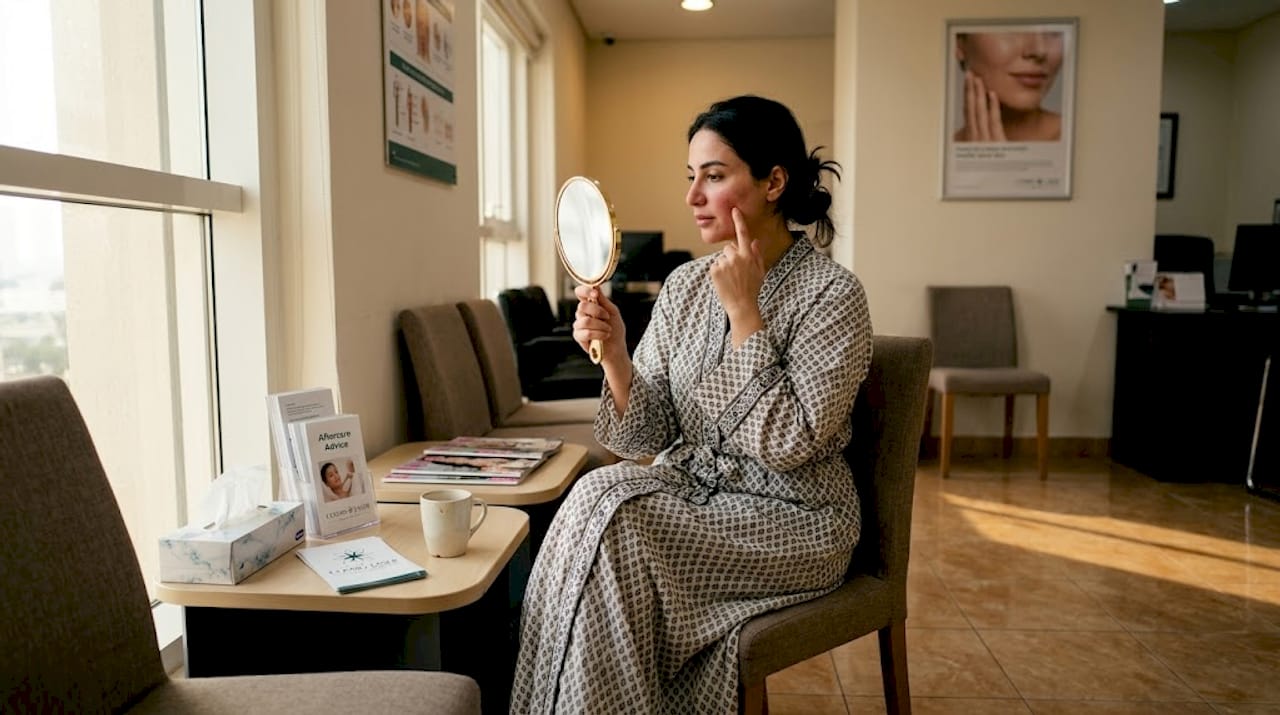
Even in the best clinics, injectables carry real risks. Most are mild and temporary: redness, swelling, bruising, and tenderness at the injection site. These typically resolve within a few days. But rare complications exist, and knowing about them before your appointment is not paranoia. It is smart preparation.
The most serious risk is vascular occlusion, where filler material accidentally enters or compresses a blood vessel, cutting off circulation to surrounding tissue. Without fast intervention, this can cause tissue death (necrosis) or, in extreme cases, vision loss if it occurs near the eye. Early intervention with hyaluronidase is critical for HA fillers and can reverse the occlusion if administered quickly. Non-HA fillers like CaHA or PLLA cannot be dissolved, making the management of complications more complex.
High-risk injection zones include:
- Glabella (between the eyebrows): Dense vascular network, high occlusion risk.
- Nose (rhinoplasty fillers): Close proximity to arteries supplying the eye.
- Nasolabial folds: Angular artery runs through this area.
- Temples: Superficial temporal artery is vulnerable here.
In a UAE clinic following DHA protocols, the emergency response should include immediate recognition of occlusion symptoms (blanching, pain, mottled skin), cessation of injection, and administration of hyaluronidase for HA fillers. Clinics must also have protocols for referring patients to emergency care if symptoms escalate.
"Vascular occlusion is rare but requires immediate action. The window for effective intervention with hyaluronidase is narrow, often under 24 hours."
Pro Tip: Before any filler session, ask your practitioner directly: "What is your protocol if I experience vascular occlusion?" If they hesitate or seem unfamiliar with the term, that is a red flag. Guidance on selecting a cosmetic clinic in the UAE can help you identify practices that take emergency readiness seriously. For area-specific concerns, reviewing face fillers details gives you a clearer picture of which zones require the most caution.
How to maximize results and minimize risks: Choosing and combining treatments
Knowing the risks is only half the equation. The other half is knowing how to set yourself up for the best possible outcome. For anyone new to injectables, HA fillers are ideal for beginners because they are reversible, predictable, and widely studied. If you do not love the result, hyaluronidase can dissolve the filler within hours.
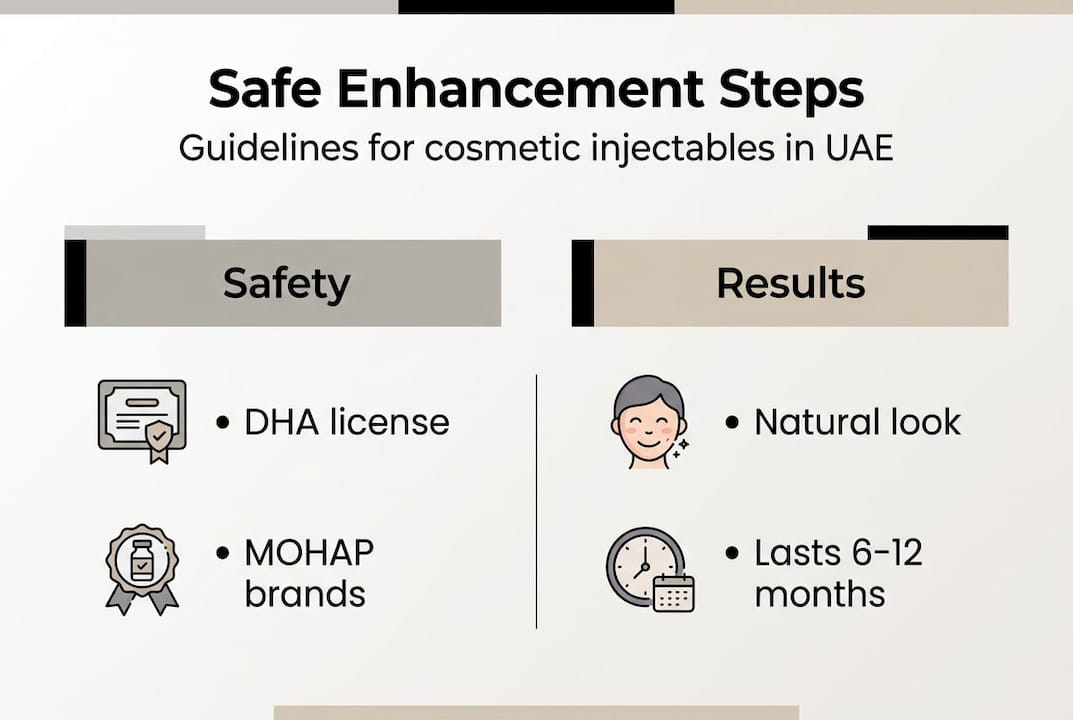
Combining Botox and fillers is one of the most effective strategies for facial rejuvenation. Botox addresses dynamic wrinkles caused by muscle movement, while fillers restore lost volume and smooth static lines. Together, they cover a broader range of concerns than either treatment alone. The key is expert planning. A skilled practitioner will map your face, identify which areas need relaxation versus volume, and sequence treatments to avoid overcorrection.
Here is a practical checklist for maximizing safety and outcomes:
- Consult before committing: A thorough consultation should include your medical history, current medications, and aesthetic goals.
- Start conservative: Less product, more sessions. You can always add volume; removing it is harder.
- Track your results: Photograph your face before each session to monitor changes objectively.
- Space treatments correctly: Botox every 3 to 4 months initially, then extend intervals as muscles retrain.
- Disclose everything: Blood thinners, supplements like fish oil, and certain skincare products affect bruising risk.
Pro Tip: Repeat Botox sessions have a cumulative training effect on muscles. Over time, many patients need less product to achieve the same result because the targeted muscles gradually weaken from disuse. This is a feature, not a flaw. It means your costs can decrease while results stay consistent. For more on dermal filler safety and how to plan your treatment timeline, CosmoLaser's team offers personalized consultations. You can also review Botox treatment advice to understand what a well-structured neuromodulator plan looks like.
A fresh perspective: What most UAE clients miss about injectables
Most people approach injectables looking for a quick fix, and that mindset is where mistakes happen. The clients who get the best long-term results treat injectables as a strategy, not a single event.
HA fillers are not just the "safe" choice because they are reversible. They are the smart starting point because they give you and your practitioner real-time feedback on how your face responds to volume changes. That information is invaluable before committing to a longer-acting filler.
Botox's cumulative effect is also widely misunderstood. Many clients fear becoming "dependent" on it. In reality, consistent, conservative Botox use can reduce the amount needed over time, not increase it. The goal should never be frozen features. It should be gradual, natural-looking change that you control.
Here is something the industry rarely says loudly enough: your clinic consultation is a safety check, not a sales meeting. A practitioner who pushes maximum product on a first visit is not optimizing for your outcome. They are optimizing for revenue. A real consultation involves saying no to certain treatments if they are not appropriate for your anatomy or goals.
UAE regulations have raised the floor on clinic quality, but they have not eliminated variation. Two DHA-licensed clinics can deliver very different experiences. The product matters less than the hands holding the syringe. Choosing wisely, as outlined in guidance on scheduling treatments safely, is the most underrated part of the entire process.
Take your next step with expert UAE injectables
If this guide has clarified what injectables can and cannot do for you, the logical next step is a consultation with a team that takes both safety and results seriously.
At CosmoLaser Medical Center in Sharjah, every injectable treatment is performed by licensed practitioners using only MOHAP-approved products, fully in line with DHA 2025 standards. Whether you are considering your first Botox treatment, exploring dermal fillers for volume restoration, or looking into targeted face fillers for specific concerns, our team builds a personalized plan around your goals and anatomy. No pressure, no overcorrection. Just honest, expert guidance from practitioners who understand what safe aesthetic medicine looks like in the UAE.
Frequently asked questions
What types of cosmetic injectables are most popular in the UAE?
HA fillers account for over 70% of all filler procedures in the UAE due to their reversibility and natural results, while Botox remains the top choice for wrinkle reduction.
How long do injectable results typically last?
Botox lasts 3 to 6 months, HA fillers last 6 to 12 months, and longer-acting options like CaHA or PLLA can maintain results for 2 to 5 years depending on the product and individual metabolism.
Are cosmetic injectables regulated in the UAE?
Yes. The DHA standards since February 2025 require all clinics and practitioners to hold valid licenses and use only MOHAP-approved injectable products, with strict documentation and emergency protocols in place.
What are the main risks of cosmetic injectables?
Mild side effects like swelling and bruising are common and temporary, but vascular occlusion requires urgent intervention and is far more serious, especially with non-HA fillers that cannot be dissolved.
Can I combine Botox and fillers for better results?
Combining Botox and fillers is a well-established approach that addresses both dynamic wrinkles and volume loss simultaneously, delivering more complete rejuvenation when planned by an experienced practitioner.
Recommended
- How to ensure safe aesthetic treatments in the UAE
- Medical Aesthetics Explained: Safe, Effective UAE Treatments
- How to book an aesthetic appointment in the UAE safely
- Your 2026 cosmetic treatment checklist for safe skin care in UAE
- Cosmetic injectables guide: Safe choices for London luxury - The Aesthetics Room