
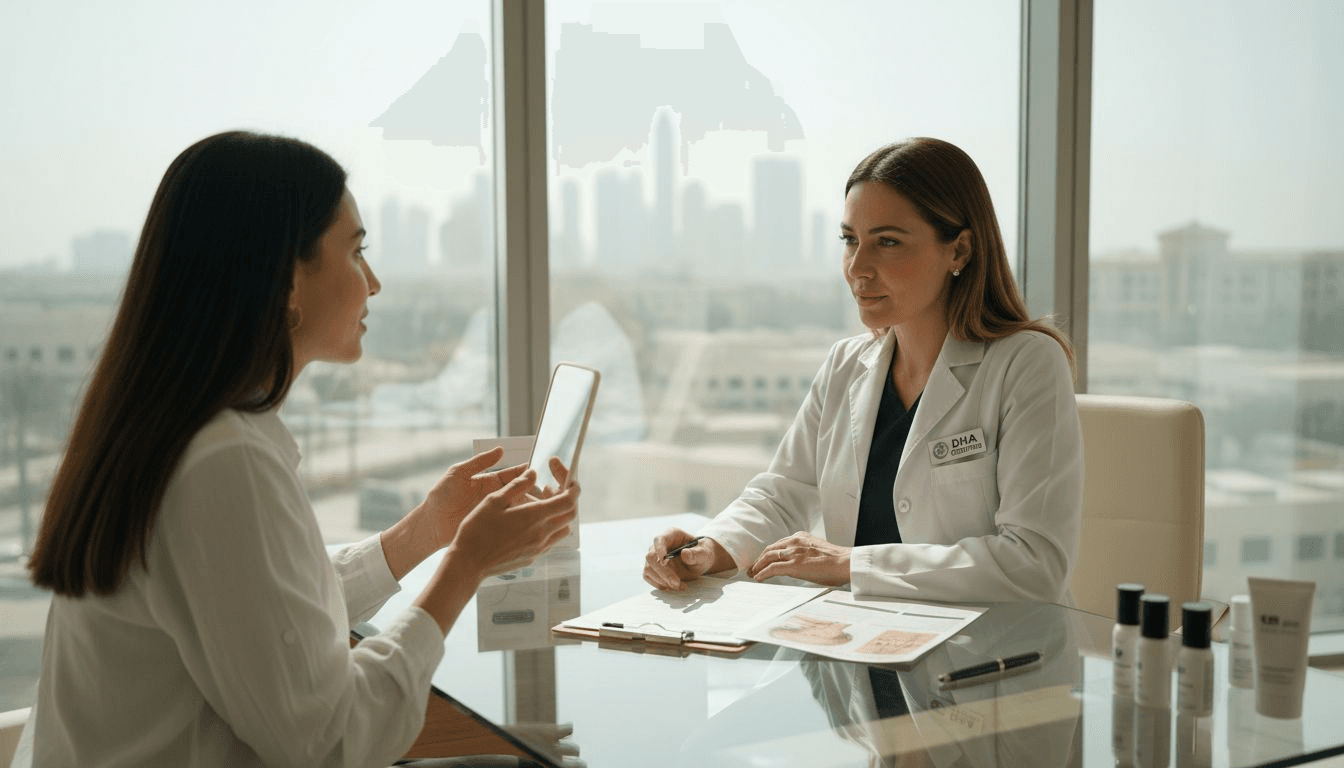
Navigating cosmetic dermatology in the UAE can feel overwhelming without clear guidance. Understanding the complete workflow from initial consultation through recovery is essential for achieving safe, predictable results. This guide walks you through every critical step of Botox, fillers, and laser therapies, helping you make informed decisions and avoid common pitfalls that compromise outcomes.
Table of Contents
- Understanding Cosmetic Dermatology: Consultation And Assessment
- Personalized Treatment Planning: Choosing The Right Procedures
- Step-By-Step Execution Of Botox, Fillers, And Laser Therapies
- Post-Treatment Care And Recovery
- Common Mistakes And Troubleshooting
- Expected Results, Timelines, And Cost Considerations
- Explore Expert Cosmetic Dermatology Services At Cosmolaser Medical Center
- Frequently Asked Questions
Key takeaways
| Point | Details |
|---|---|
| Expert consultation foundation | 100% patient-specific consultation required before procedures in UAE clinics to assess skin type, medical history, and contraindications. |
| Personalized treatment plans | Individual goals and skin characteristics dictate whether Botox, fillers, or lasers work best; combination therapies often yield superior results. |
| Safe procedural execution | DHA-approved protocols require landmark-based injection techniques and calibrated laser devices to minimize risks and maximize precision. |
| Critical aftercare compliance | Avoiding sun exposure for 48 hours, applying prescribed moisturizers, and attending follow-ups directly impact healing speed and result longevity. |
| Realistic outcome expectations | Botox shows visible effects within 3-7 days lasting 3-4 months, while laser treatments produce gradual improvements over 3-6 months. |
Understanding cosmetic dermatology: consultation and assessment
Your journey toward aesthetic enhancement begins with a thorough in-person consultation at a licensed UAE clinic. This mandatory first step isn't just paperwork. It's where providers evaluate your unique skin characteristics, medical background, and aesthetic goals to create a safe, customized treatment roadmap.
Every reputable clinic in the UAE follows DHA guidelines requiring 100% patient-specific consultation before any procedure. During this session, your provider reviews your complete medical history to identify potential contraindications like active infections, autoimmune conditions, or medication interactions that could complicate treatment. They'll examine your skin texture, tone, elasticity, and problem areas using specialized equipment and visual assessment.
This comprehensive evaluation determines which procedures suit your skin type and desired outcomes. For example, thin skin with dynamic wrinkles responds differently to Botox than thicker skin with static lines. Your provider assesses factors like:
- Skin thickness and elasticity levels
- Existing wrinkle depth and type (dynamic versus static)
- Volume loss patterns in cheeks, lips, or temples
- Pigmentation irregularities or textural concerns
- Previous cosmetic procedures and their results
Open communication during consultation sets realistic expectations. Discuss your aesthetic goals honestly, ask about potential risks, and clarify recovery timelines. Cosmolaser Medical Center and other DHA-compliant facilities prioritize this transparency to ensure you understand what each treatment can and cannot achieve.
Licensing verification matters more than most patients realize. Check that your chosen clinic displays current DHA certification and that practitioners hold valid credentials for administering injectables and operating laser devices. Sheikh Shakhbout Medical City dermatology services exemplify the gold standard for regulatory compliance and safety protocols that protect patients throughout the UAE.
Personalized treatment planning: choosing the right procedures
After your comprehensive assessment, your provider develops a tailored treatment plan matching your specific needs. Cookie-cutter approaches fail in cosmetic dermatology because every face ages differently and requires individualized solutions.
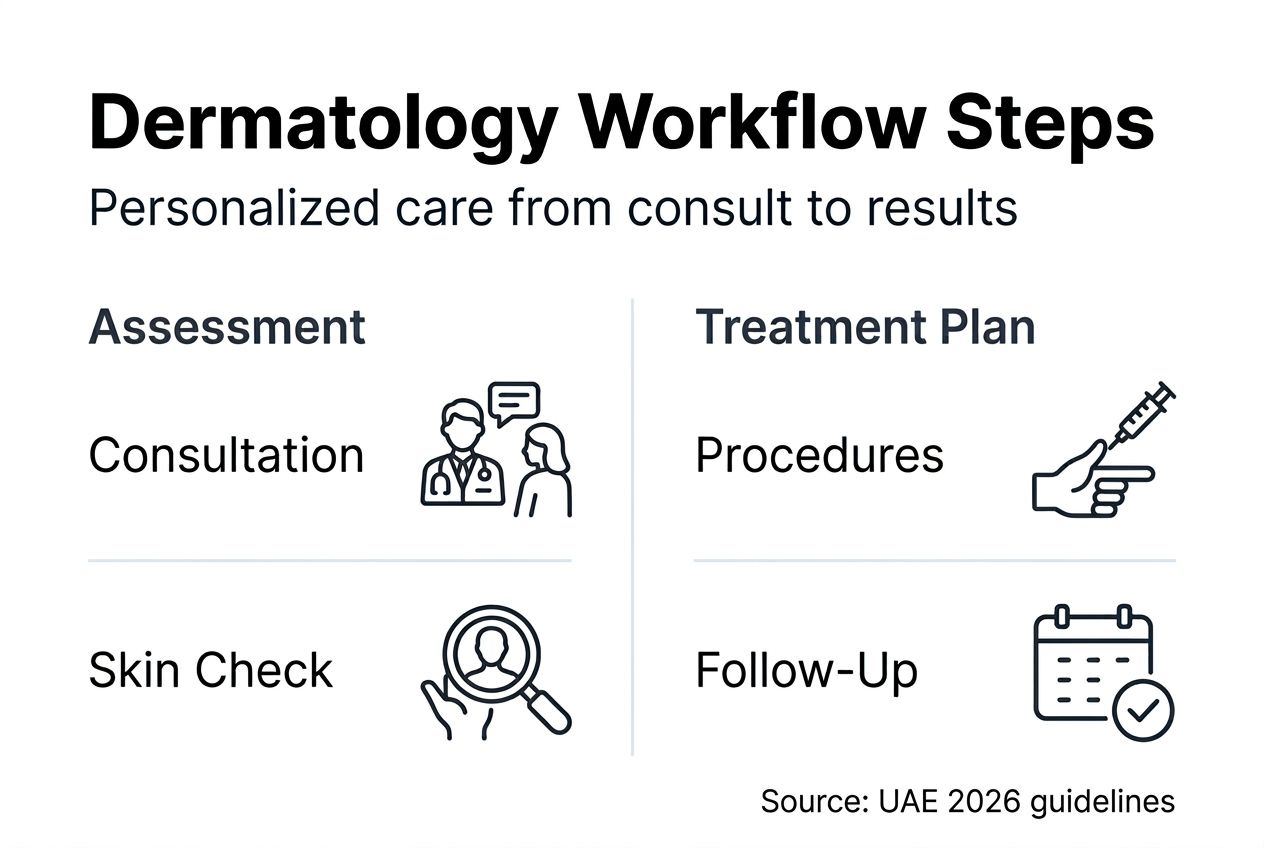
Your treatment strategy considers multiple variables. Age plays a role, as younger patients often benefit from preventive Botox while older individuals may need combination therapies addressing both wrinkles and volume loss. Skin type determines which laser wavelengths and filler viscosities work safely and effectively. Your aesthetic goals, whether subtle enhancement or dramatic transformation, guide modality selection.
Understanding each treatment's distinct purpose helps you make informed choices. Botox targets dynamic wrinkles caused by repeated muscle contractions, like forehead lines and crow's feet. Dermal fillers restore lost volume and contour features such as cheeks, lips, and jawlines. Laser therapies address skin texture, tone, pigmentation, and stimulate collagen production for overall rejuvenation.
Research shows that individual goals and skin type dictate treatment choice, and combination treatments often yield better results than single-modality approaches. Your provider might recommend starting with Botox treatments to relax dynamic lines, then adding fillers to restore volume, followed by laser therapy to improve texture. This layered strategy creates harmonious, natural-looking outcomes.
Specialist expertise becomes critical when selecting appropriate modalities. Board-certified dermatologists and trained aesthetic practitioners understand facial anatomy, product characteristics, and technique variations that prevent complications. They know which filler brands suit different facial zones, how much Botox achieves desired effects without frozen expressions, and which laser settings match your skin phototype.
Pro Tip: Ask your provider about combining treatments to optimize results and reduce overall recovery time. Strategic scheduling allows multiple procedures during single visits when medically appropriate.
Your customized plan should include:
- Specific products and brands to be used
- Exact treatment areas and injection points
- Expected number of sessions required
- Realistic timeline for visible improvements
- Total cost estimate including potential touch-ups
This detailed roadmap gives you clarity and control over your aesthetic journey. Reviewing tailored treatment plans at Sheikh Shakhbout Medical City demonstrates how thorough planning translates into predictable, satisfying outcomes.
Step-by-step execution of Botox, fillers, and laser therapies
Once your treatment plan is finalized, the actual procedures follow strict DHA protocols ensuring safety and precision. Understanding what happens during each session reduces anxiety and helps you prepare properly.
Every procedure begins with patient preparation. Staff verify your identity, review consent forms, and confirm you've followed pre-treatment instructions like avoiding blood thinners. Your skin undergoes thorough cleansing with medical-grade antiseptic solution to minimize infection risk. Topical numbing cream may be applied 20-30 minutes before injections if needed for comfort.
Botox and filler administration requires landmark-based injection techniques that ensure accuracy. Practitioners identify specific anatomical markers, measuring distances and angles to target precise muscle groups or tissue planes. This methodical approach prevents nerve damage, vascular complications, and asymmetric results. Needles or cannulas insert product at controlled depths and volumes according to your treatment plan.
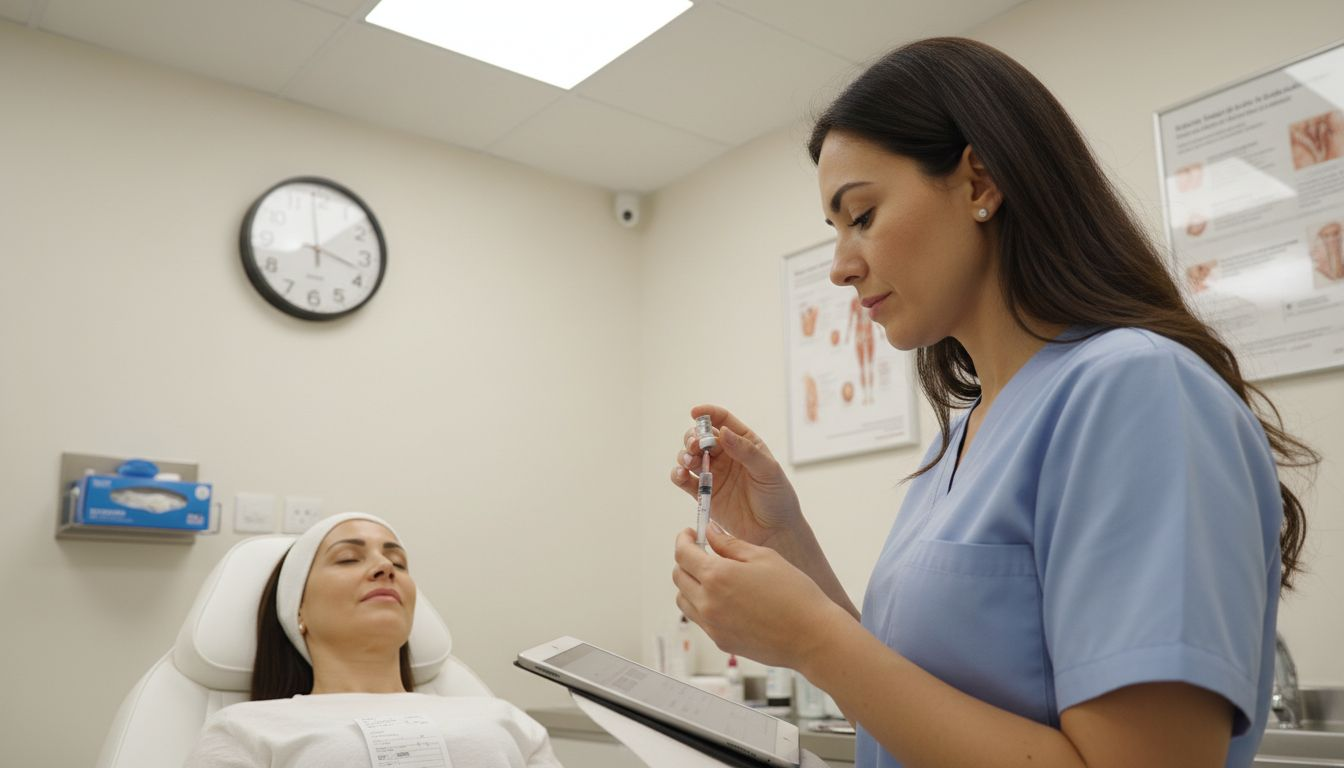
Laser therapies employ FDA and DHA-approved devices calibrated for your skin type. Erbium lasers for skin resurfacing remove damaged surface layers while stimulating deeper collagen remodeling. Studies indicate Erbium laser associated with 20-40% faster healing than comparable ablative lasers. Providers adjust energy levels, pulse duration, and coverage density based on real-time skin response during treatment.
Clinics strictly follow DHA safety protocols including:
- Using sterile, single-use needles and syringes
- Maintaining proper device calibration and maintenance logs
- Implementing aseptic technique throughout procedures
- Monitoring vital signs during and after treatment
- Documenting exact products, batch numbers, and injection sites
These standardized protocols protect you from preventable complications. Reputable providers never cut corners on safety measures, even when procedures seem routine.
The following table contrasts key characteristics of each treatment modality:
| Treatment | Duration | Recovery Time | Main Benefits |
|---|---|---|---|
| Botox | 15-30 minutes | 24-48 hours minimal downtime | Smooths dynamic wrinkles, prevents new line formation |
| Dermal Fillers | 30-60 minutes | 48-72 hours mild swelling | Restores volume, enhances contours, hydrates skin |
| Laser Therapy | 30-90 minutes | 5-14 days depending on intensity | Improves texture, reduces pigmentation, stimulates collagen |
Post-procedure instructions begin immediately after treatment. Staff provide written aftercare guidelines, schedule follow-up appointments, and give direct contact information for urgent concerns. Understanding and following these instructions determines how smoothly your recovery progresses.
Post-treatment care and recovery
What you do in the days following your procedure directly influences final results and complication risk. Proper aftercare isn't optional; it's an essential component of successful treatment outcomes.
The first 48 hours represent the most critical recovery window. Avoid direct sun exposure completely during this period, as UV radiation can trigger inflammation, hyperpigmentation, and prolonged swelling. If you must go outdoors, wear a wide-brimmed hat and apply mineral-based SPF 50 sunscreen every two hours.
Strenuous physical activity should also be avoided for at least 48 hours post-treatment. Elevated heart rate and blood pressure increase bruising and swelling around injection sites. Skip intense workouts, heavy lifting, hot yoga, saunas, and steam rooms until your provider clears you to resume normal activities.
Your skincare routine requires temporary modifications. Apply prescribed moisturizers and broad-spectrum sunscreen daily to support healing and protect newly treated skin. Avoid harsh exfoliants, retinoids, acids, and any products containing irritating ingredients until inflammation completely resolves. Gentle cleansers and hydrating serums work best during recovery.
Attending all scheduled follow-up visits allows your provider to monitor healing progress and treatment effectiveness. These appointments catch potential complications early when intervention is most effective. Your provider assesses symmetry, checks for adverse reactions, and determines whether touch-up treatments are needed to optimize results.
Pro Tip: Use gentle, non-irritating skincare products during recovery to support skin barrier repair. Look for ceramides, hyaluronic acid, and niacinamide in formulations designed for sensitive skin.
Specific aftercare varies by treatment type:
- Botox patients should avoid lying flat for 4 hours and refrain from rubbing treated areas for 24 hours
- Filler patients may need to massage or avoid touching specific zones depending on injection locations
- Laser patients require diligent moisturizing and may need prescription ointments for deeper treatments
Compliance with these instructions isn't just about comfort. It directly impacts how long your results last and how natural they appear. Skin rejuvenation aftercare protocols at quality clinics provide detailed guidance tailored to your specific procedures.
Common mistakes and troubleshooting
Even with expert providers, understanding potential errors helps you make informed choices and recognize problems early. Most complications stem from preventable mistakes during treatment planning, execution, or aftercare.
Incorrect injection depth ranks among the most common technical errors. Placing Botox too superficially causes uneven results, while injecting fillers too deeply fails to address surface concerns. Dosage errors, whether too much or too little product, create asymmetry or necessitate costly corrections. Research shows clinician error causes about 20% of injectable complications, but landmark-based training reduces adverse effects by 25%.
Patient preparation lapses significantly increase complication rates. Ignoring pre-treatment instructions like discontinuing blood thinners leads to excessive bruising. Failing to disclose medications, supplements, or medical conditions prevents providers from identifying contraindications. Arriving dehydrated or immediately after intense exercise compromises results.
Post-treatment non-compliance represents another preventable problem. Patients who resume strenuous activity too quickly, apply unapproved skincare products, or skip sun protection experience prolonged swelling, infection risk, and suboptimal outcomes. Those who miss follow-up appointments forfeit the opportunity for timely adjustments that perfect initial results.
Skipping follow-up visits undermines treatment effectiveness in multiple ways. Your provider cannot assess whether touch-ups are needed, catch developing complications, or make refinements that enhance symmetry and naturalness. Regular monitoring ensures results evolve as planned and allows early intervention if problems emerge.
"Choosing certified providers trained in proper injection techniques and adhering strictly to pre- and post-treatment protocols prevents the vast majority of cosmetic dermatology complications. Patient education and open communication form the foundation of safe, satisfying outcomes."
Common warning signs that require immediate provider contact include:
- Severe pain, warmth, or increasing redness at treatment sites
- Vision changes, severe headaches, or neurological symptoms
- Skin blanching, mottling, or dusky discoloration
- Rapidly progressing swelling or difficulty breathing
- Pus, discharge, or signs of infection
Proper training on landmark-based techniques reduces errors and improves outcomes substantially. Providers who invest in continuing education and maintain dermal fillers training certifications demonstrate commitment to patient safety. Verifying your practitioner's credentials and reviewing injectable treatment training standards helps you select qualified professionals.
Expected results, timelines, and cost considerations
Setting realistic expectations about timing, durability, and financial investment prevents disappointment and helps you plan appropriately. Each treatment modality follows distinct timelines for visible improvements and result longevity.
Botox produces relatively quick outcomes. Most patients notice visible wrinkle reduction within 3-7 days as neurotoxin gradually relaxes targeted muscles. Full effects peak around two weeks post-treatment. Results typically last about 3-4 months before muscle activity gradually returns and maintenance sessions become necessary. Consistent treatment often extends duration over time as muscles adapt.
Dermal fillers provide immediate volume restoration visible right after injection, though initial swelling may mask final contours. As inflammation subsides over 1-2 weeks, true results emerge. Different filler formulations last varying durations, generally ranging from 6-18 months depending on product viscosity, injection depth, and treatment area. High-movement zones like lips metabolize fillers faster than static areas like temples.
Laser therapies require patience for optimal outcomes. Surface improvements appear within weeks as damaged skin sheds and new cells emerge. Deeper collagen remodeling produces gradual skin rejuvenation over 3-6 months following treatment. Multiple sessions spaced 4-8 weeks apart typically achieve desired results, with maintenance treatments annually or bi-annually preserving improvements.
Financial planning matters when budgeting for cosmetic treatments. UAE pricing varies based on provider expertise, clinic location, product brands, and treatment complexity. Average costs for common procedures include:
- Botox costs AED 900-1,500 per area treated
- Fillers range AED 1,200-2,500 depending on product type and volume required
- Laser sessions typically cost AED 1,500-4,000 based on treatment intensity and coverage area
The following comparison helps you understand value propositions:
| Treatment | Result Speed | Duration | Primary Purpose | Typical Cost Range (AED) |
|---|---|---|---|---|
| Botox | 3-7 days | 3-4 months | Prevent and smooth dynamic wrinkles | 900-1,500 per area |
| Dermal Fillers | Immediate (final after swelling resolves) | 6-18 months | Restore volume, enhance contours | 1,200-2,500 per syringe |
| Laser Therapy | Gradual over 3-6 months | 12-24 months | Improve texture, tone, pigmentation | 1,500-4,000 per session |
Maintenance costs add up over time. Budgeting for quarterly Botox sessions and annual filler touch-ups provides realistic financial expectations. Many clinics offer package deals or membership programs that reduce per-treatment costs for committed patients.
Reviewing Botox treatment timelines and dermal fillers cost and results at your chosen clinic provides specific pricing and scheduling information. Understanding these factors upfront prevents surprises and helps you commit to comprehensive treatment plans that deliver lasting satisfaction.
Quality providers never compromise on product authenticity or safety to offer bargain pricing. Suspiciously low costs often indicate counterfeit products, inadequate training, or non-compliance with regulatory standards. Investing in certified practitioners using genuine, DHA-approved products protects both your health and aesthetic investment.
Explore expert cosmetic dermatology services at Cosmolaser Medical Center
Now that you understand the complete workflow from consultation through recovery, it's time to experience these transformative treatments with trusted specialists. Cosmolaser Medical Center in Sharjah provides licensed, DHA-compliant cosmetic dermatology services that follow every protocol outlined in this guide.
Their expert team delivers personalized Botox treatment services, precision dermal fillers treatments, and advanced skin resurfacing procedures tailored to your unique goals and skin characteristics. You'll benefit from the same evidence-based workflow discussed here, ensuring optimal safety and predictable results throughout your aesthetic journey. Book a consultation today to begin your transformation with specialists who prioritize your satisfaction and well-being above all else.
Frequently asked questions
What is the recommended preparation before cosmetic dermatology treatments?
Avoid sun exposure for at least two weeks before procedures to reduce inflammation risk. Discontinue blood-thinning medications and supplements like aspirin, ibuprofen, vitamin E, and fish oil as directed by your provider, typically 7-10 days prior. Disclose your complete medical history, current medications, and any allergies during consultation to identify potential contraindications.
How long do Botox and dermal filler results last typically?
Botox results last approximately 3-4 months before muscle activity gradually returns and maintenance treatments become necessary. Dermal filler duration ranges between 6-18 months depending on the specific product formulation, injection depth, and treated area. High-movement zones metabolize fillers faster than static facial regions.
Are laser therapies safe for all skin types?
Many modern lasers like Erbium systems are safe for most skin types when operated by trained professionals following proper protocols. Your provider performs thorough skin assessment to determine your Fitzpatrick phototype and selects appropriate laser settings, wavelengths, and energy levels. This customization minimizes risks like hyperpigmentation or scarring in darker skin tones.
What are common side effects after cosmetic dermatology procedures?
Temporary redness, mild swelling, and minor bruising at treatment sites are common and typically resolve within 2-7 days. Some patients experience tenderness, slight asymmetry during initial healing, or temporary numbness. Following prescribed aftercare instructions significantly reduces these effects and supports smooth, predictable recovery. Contact your provider immediately if you experience severe pain, vision changes, or signs of infection.