
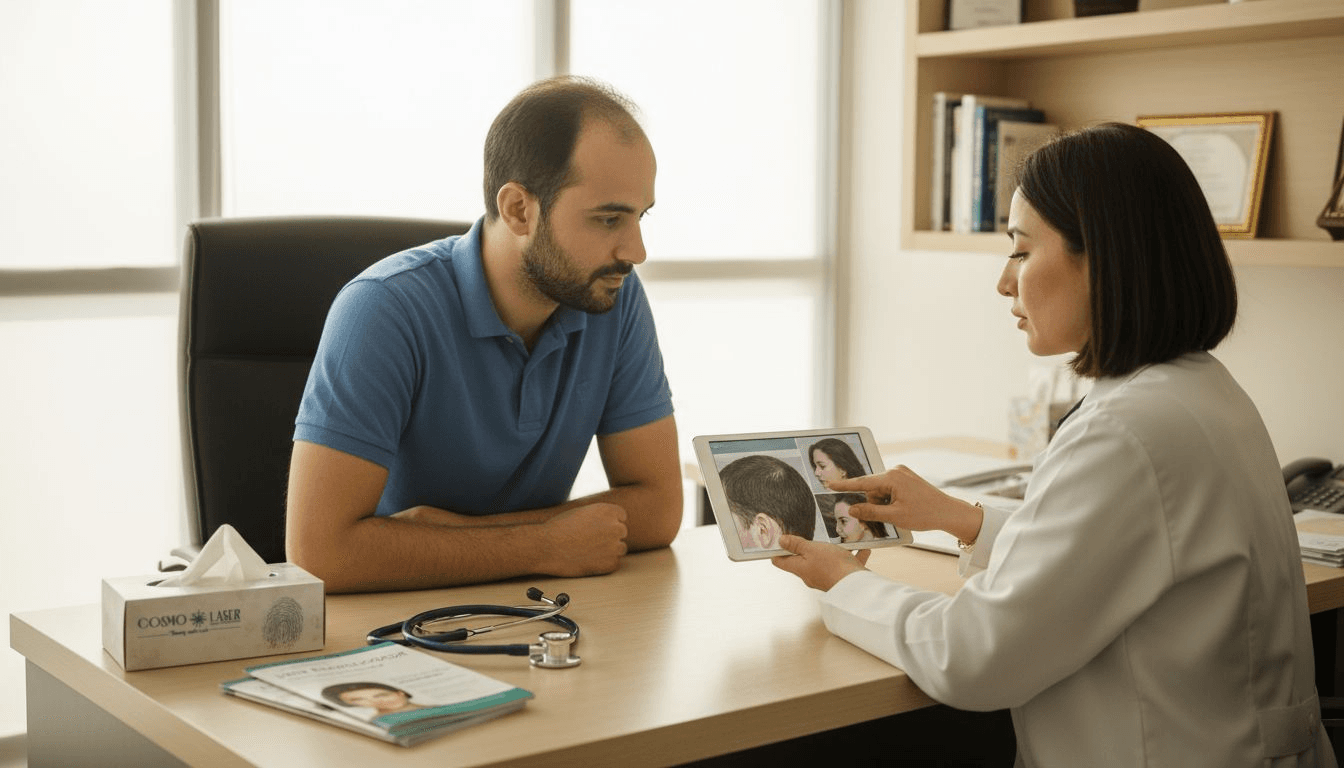
Hair loss affects 50% of men by age 50, and many women face similar challenges as they age. If you're in the UAE experiencing hair thinning, you're not alone, and effective solutions exist. This guide explores the latest evidence-based treatments available in 2026, from exosome therapy to PRP and minoxidil, helping you make informed decisions for safe, personalized care at reputable clinics like those in Sharjah.
Table of Contents
- Understanding Androgenetic Alopecia: Causes And Impact
- Comparing Common Hair Loss Treatments: Exosome Therapy, PRP, And Minoxidil
- Personalizing Treatment: Choosing The Best Hair Loss Solution For You In The UAE
- Emerging Innovations And Ongoing Research In Hair Loss Treatments
- Explore Expert Hair Loss Treatments At Cosmolaser Medical Center Sharjah
- FAQ
Key takeaways
| Point | Details |
|---|---|
| Exosome therapy leads | Clinical evidence shows exosomes deliver the best hair regrowth and safety profile among emerging treatments. |
| PRP offers satisfaction | PRP therapy improves hair thickness and counts with higher patient satisfaction compared to minoxidil alone. |
| Minoxidil requires commitment | FDA-approved for women and men, minoxidil needs continuous use and may cause scalp irritation. |
| AGA is widespread | Androgenetic alopecia impacts half of men by 50 and increases with age, affecting women significantly too. |
| Personalization matters | Choosing treatment based on hair loss stage, gender, and health status ensures safer, more effective outcomes. |
Understanding androgenetic alopecia: causes and impact
Androgenetic alopecia (AGA) is a genetic condition that causes progressive hair thinning and loss on the scalp. It's the most common form of hair loss, affecting 50% of men by age 50 and up to 70% in later life. Women experience AGA too, often noticing thinning after menopause or during hormonal shifts.
The condition results from genetic predisposition and hormonal influences, particularly the effect of androgens on hair follicles. In men, hair loss typically begins with a receding hairline and thinning crown. Women usually see diffuse thinning across the scalp, especially along the part line, while the frontal hairline often remains intact.
Understanding AGA is critical because it guides treatment selection. Generic approaches rarely work well. Recognizing your hair loss pattern and stage helps specialists recommend therapies that target the underlying hormonal and genetic factors driving follicle miniaturization.
Key symptoms and differences include:
- Men: Receding temples, thinning crown, eventual balding patterns
- Women: Widening part, overall scalp thinning, preserved frontal hairline
- Both: Gradual onset, progressive miniaturization of hair follicles over time
- Triggers: Genetics, aging, hormonal changes, sometimes stress or health conditions
Knowing these patterns empowers you to seek appropriate hair restoration therapy early. Early intervention often yields better results, preserving more follicles before they shrink irreversibly.
Comparing common hair loss treatments: exosome therapy, PRP, and minoxidil
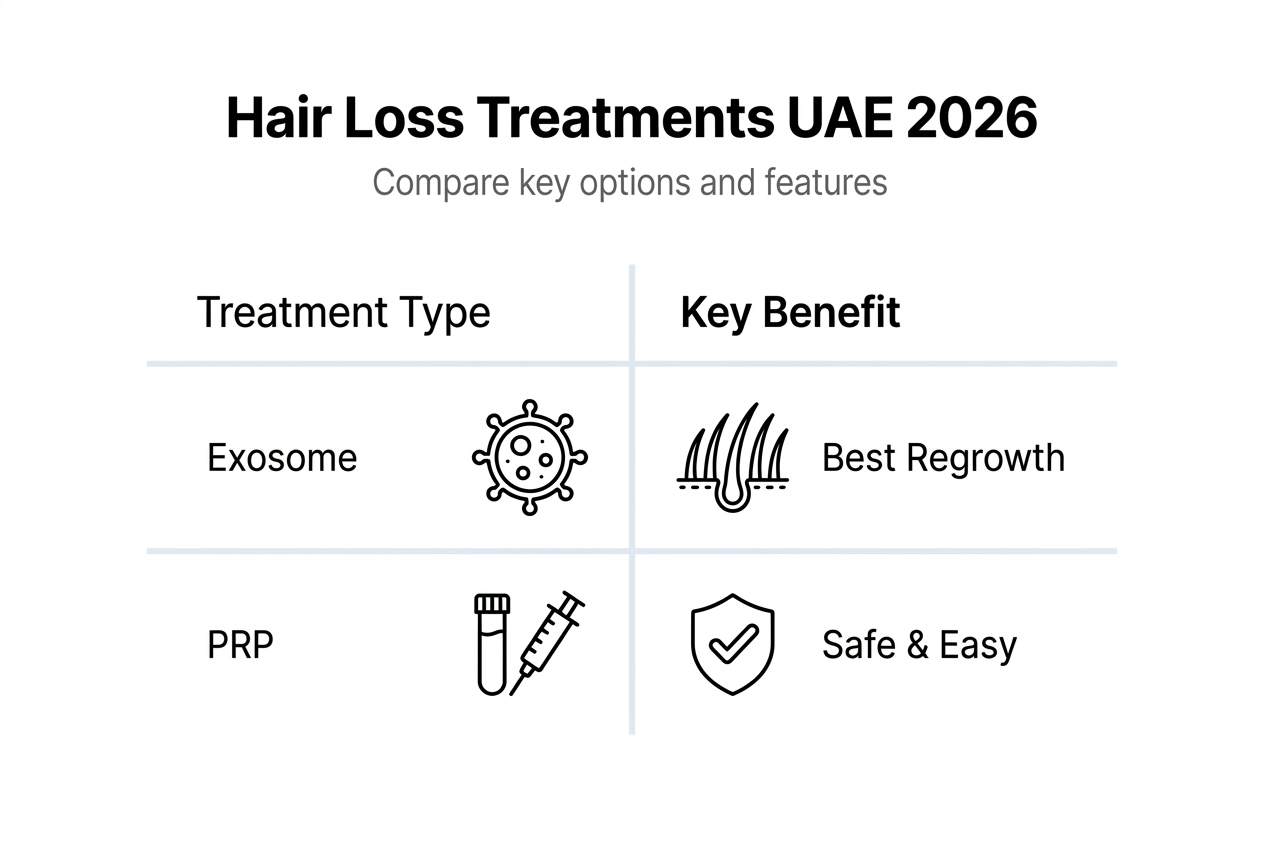
Three main treatments dominate the 2026 hair loss landscape: exosome therapy, platelet-rich plasma (PRP), and minoxidil. Each works differently, and clinical evidence helps clarify which might suit your needs.
Exosome therapy uses tiny vesicles derived from stem cells that deliver growth factors and signaling molecules directly to hair follicles. These vesicles stimulate regeneration and repair, promoting new hair growth. Exosome therapy shows the most promising results in hair regrowth and safety among current options. It's minimally invasive and avoids many side effects seen with topical or systemic drugs.
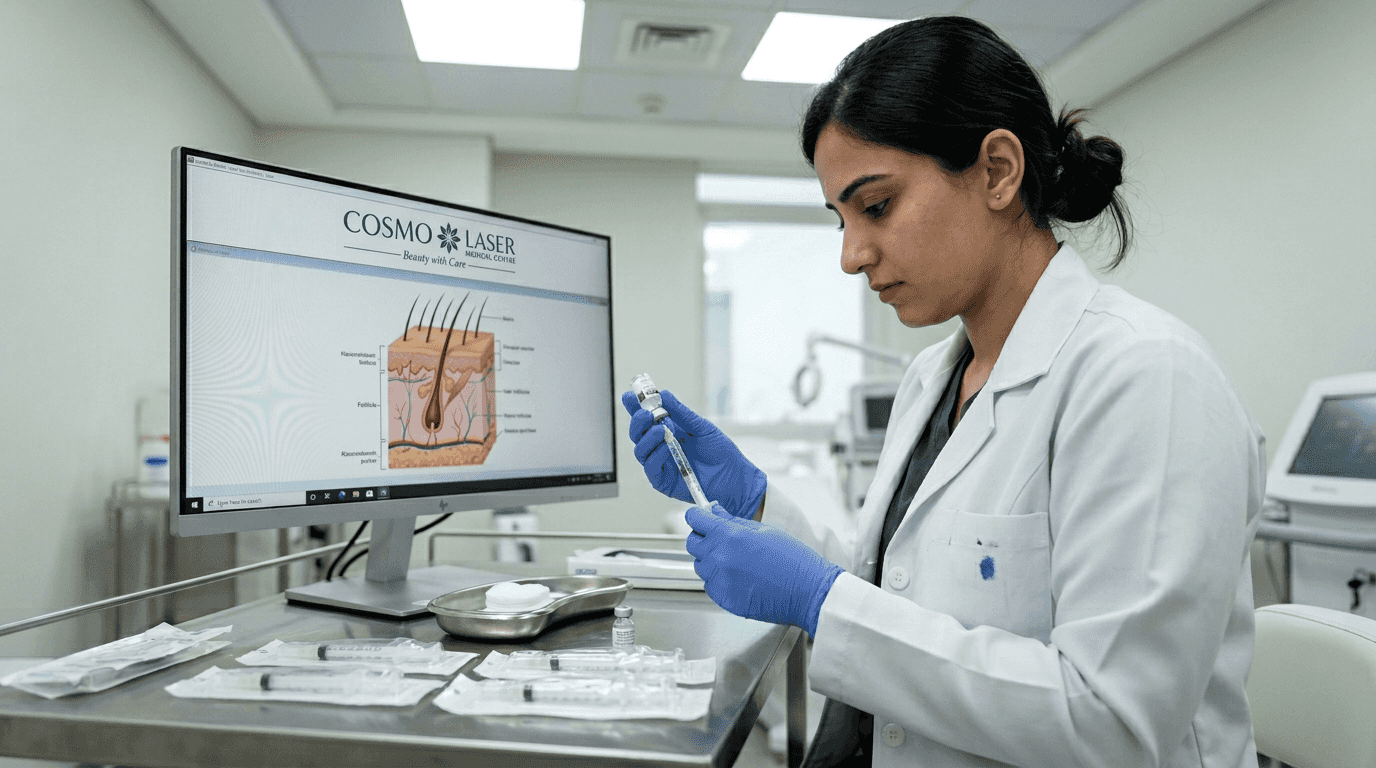
PRP therapy harnesses your own blood. Specialists draw a small blood sample, process it to concentrate platelets rich in growth factors, then inject this plasma into your scalp. PRP significantly improved hair count and thickness in clinical studies. It promotes healing and follicle stimulation naturally. Many patients report satisfaction with PRP therapy because it uses their own biology, reducing allergy or rejection risks.
Minoxidil is a topical solution or foam applied daily to the scalp. It dilates blood vessels, improving nutrient delivery to follicles and prolonging the hair growth phase. It's widely accessible over the counter. However, PRP and minoxidil showed no significant difference in hair density, yet PRP had higher patient satisfaction, suggesting tolerability and convenience matter.
| Treatment | Mechanism | Effectiveness | Safety | Ease of Use |
|---|---|---|---|---|
| Exosome Therapy | Stem-cell derived growth factors stimulate follicles | High regrowth, best safety profile | Minimal side effects | Requires specialist injections |
| PRP Therapy | Patient's platelets release growth factors | Moderate to high, improved thickness | Generally safe, some bruising | Injections every few months |
| Minoxidil | Topical vasodilator extends growth phase | Moderate, requires ongoing use | Scalp irritation, relapse if stopped | Daily self-application |
Limitations and side effects vary. Minoxidil can cause scalp irritation, unwanted facial hair growth in women, and hair loss resumes quickly after stopping. PRP results vary based on preparation protocols and individual response. Some experience temporary soreness or bruising at injection sites. Exosome therapy, while promising, is newer with fewer large-scale trials, but early data shows excellent safety and efficacy.
Pro Tip: Schedule a consultation with a dermatologist or hair restoration specialist to assess your hair loss stage and health history before choosing a treatment. Personalized advice ensures you pick the option with the best risk-benefit balance for your situation.
Personalizing treatment: choosing the best hair loss solution for you in the UAE
Selecting the right hair loss treatment depends on factors beyond just clinical effectiveness. Gender, severity of hair loss, lifestyle, safety considerations, and access to reputable clinics in the UAE all play crucial roles.
Gender matters. Topical minoxidil is the sole FDA-approved therapy for female androgenetic alopecia, but it requires ongoing use and carries side effect risks. Women may prefer PRP or exosome therapies for fewer systemic effects. Men have more FDA-approved options like finasteride, but many seek alternatives due to potential sexual side effects. Understanding treatment considerations for women ensures safer choices aligned with hormonal and health profiles.
Key factors to weigh when personalizing your treatment:
- Root cause: Is it purely genetic AGA, or are hormonal imbalances, nutritional deficiencies, or stress contributing?
- Hair loss stage: Early thinning responds better than advanced balding where follicles are dormant.
- Lifestyle: Can you commit to daily minoxidil applications or prefer periodic clinic visits for PRP or exosomes?
- Safety profile: Do you have sensitivities to topical agents, or do you prefer biologic therapies using your own cells?
- Budget and access: Regenerative treatments may cost more upfront but offer longer-lasting benefits.
Step-by-step guide to choosing your treatment:
- Get a proper diagnosis. Visit a qualified dermatologist to confirm AGA and rule out other causes like thyroid issues or deficiencies.
- Discuss all options with a specialist. Review exosome, PRP, minoxidil, and combination therapies based on your hair loss pattern.
- Consider clinical evidence. Ask about success rates, patient testimonials, and research backing each treatment at the clinic.
- Evaluate the safety profile. Understand potential side effects, recovery time, and how each treatment fits your health status.
- Plan follow-up and maintenance. Hair regrowth takes months. Ensure the clinic offers ongoing monitoring and adjustments.
Choosing treatment at reputable UAE clinics ensures standardized protocols, experienced practitioners, and genuine products. The UAE aesthetic market is competitive, so verify clinic credentials, read patient reviews, and confirm the qualifications of treating physicians.
Pro Tip: Before booking, ask about the clinic's experience with your specific treatment, view before-and-after photos of real patients, and confirm they use certified products and equipment. Transparency builds trust and better outcomes.
Emerging innovations and ongoing research in hair loss treatments
The field of hair restoration is evolving rapidly, with new technologies and therapies emerging in 2026. Staying informed about innovations helps you understand future options and the current state of research.
Promising recent advances include exosome therapy as a leading regenerative option, and platelet-rich fibrin (PRF), often called second-generation PRP. PRF releases growth factors more slowly and sustainably than PRP, potentially enhancing hair follicle stimulation over time. Both represent shifts from purely pharmaceutical approaches to biologic, regenerative medicine.
However, high heterogeneity across studies emphasizes the need for larger, standardized trials. Clinical trial results vary widely due to differences in preparation protocols, injection techniques, treatment intervals, and patient populations. This variability makes it hard to predict outcomes for individual patients.
| Treatment | Average Hair Density Increase | Patient Satisfaction | Study Limitations |
|---|---|---|---|
| Exosome Therapy | Highest reported regrowth | Very High | Fewer large trials, protocol variability |
| PRP Therapy | Moderate to high increase | High, better than minoxidil | Protocol inconsistency, response varies |
| Minoxidil | Moderate, requires continuous use | Moderate, compliance issues | Side effects, relapse after stopping |
Current research gaps include lack of consensus on optimal dosing, frequency, and combination therapies. Should exosomes be combined with PRP? How many sessions yield the best results? What genetic or metabolic markers predict treatment response? Researchers are exploring these questions through larger, multicenter trials.
Challenges in standardizing protocols for regenerative therapies:
- Variability in PRP preparation methods affects platelet concentration and growth factor release.
- Exosome sourcing and purity standards differ between manufacturers and clinics.
- Patient response depends on age, hair loss severity, and underlying health, complicating universal guidelines.
- Regulatory approval processes for biologic therapies lag behind innovation, limiting widespread adoption.
Future directions shaping the next generation of hair loss treatments:
- Advanced regenerative technologies: Stem cell therapies and tissue engineering to regenerate dormant follicles.
- Genetic therapy: Targeting specific genes involved in AGA to prevent or reverse miniaturization.
- Personalized medicine: Using genetic testing and biomarkers to tailor treatments to individual biology.
- Combination protocols: Integrating topical, injectable, and systemic therapies for synergistic effects.
Staying updated on regenerative beauty therapies and discussing emerging options with your specialist ensures you benefit from the latest evidence-based approaches. As research progresses, treatments will become more predictable, effective, and accessible across the UAE.
Explore expert hair loss treatments at Cosmolaser Medical Center Sharjah
If you're ready to address hair loss with proven, personalized care, Cosmolaser Medical Center in Sharjah offers advanced solutions tailored to men and women across the UAE. Our experienced team, led by Dr. Taran Singh, specializes in aesthetic dermatology and regenerative therapies, including PRP therapy for hair restoration.

We understand that hair loss impacts confidence and quality of life. That's why we provide thorough consultations to assess your unique hair loss pattern, medical history, and treatment goals. Our clinic uses the latest technologies and evidence-based protocols to deliver safe, effective results you can trust.
Whether you're exploring PRP, considering emerging options like exosomes, or need guidance on the best approach for your situation, our specialists design personalized treatment plans that fit your lifestyle and budget. We prioritize your safety, comfort, and satisfaction throughout your hair restoration journey. Book your consultation today and take the first step toward regaining thicker, healthier hair with a team that truly cares about your outcomes.
FAQ
What causes hair loss in men and women?
Hair loss is primarily caused by androgenetic alopecia, a genetic condition influenced by hormones and aging. Other factors like stress, nutritional deficiencies, thyroid disorders, and certain medications can also contribute. Understanding the root cause through proper diagnosis helps specialists recommend the most effective, targeted treatment for your specific situation.
Is minoxidil safe for women experiencing hair loss?
Topical minoxidil is FDA-approved for female androgenetic alopecia and generally safe when used as directed. However, it requires continuous daily application and may cause side effects like scalp irritation or unwanted facial hair growth. Consult a dermatologist to ensure it's appropriate for your health profile and discuss alternative therapies if side effects occur.
How does PRP therapy stimulate hair regrowth?
PRP therapy uses concentrated platelets from your own blood to release growth factors that promote healing and stimulate hair follicles. These growth factors enhance blood flow, prolong the hair growth phase, and encourage thicker, denser hair over several months. The natural approach reduces risks of allergic reactions or rejections, making it a popular choice for many patients.
Can exosome therapy replace traditional hair loss treatments?
Exosome therapy is emerging as a highly promising option with excellent safety and regrowth results, but it's still undergoing broader clinical validation. Currently, it complements rather than replaces established treatments like PRP and minoxidil. As research expands and protocols standardize, exosomes may become a first-line therapy, but for now, combining approaches often yields the best outcomes.
How do I choose between PRP, exosomes, and minoxidil in the UAE?
Choosing depends on your hair loss stage, health status, lifestyle, and treatment goals. Consult a qualified specialist at a reputable UAE clinic to review clinical evidence, assess your specific needs, and discuss safety profiles. Personalized evaluation ensures you select the treatment offering the best balance of effectiveness, convenience, and minimal side effects for your unique situation.
Recommended
- What is hair restoration therapy: your 2026 UAE guide
- Benefits of laser hair removal in UAE: Safe & effective
- Master the cosmetic dermatology workflow for UAE 2026
- PRP Therapy in Sharjah | Cosmolaser Medical Center
- Топ 7 Продукти за коса през 2026 за жени на възраст 25-40 години в Бъл
- Menopause and hair loss: natural remedies in 2026 – Botavive